Digital Travel Influencers and the Future of Destination Marketing
Digital Travel Influencers and the Future of Destination Marketing
How content creators are rewriting the rules of travel storytelling—and why authenticity, responsibility and collaboration now matter as much as reach.
I was sitting in a café in Lisbon, watching the city wake up around me—the clatter of trams, the aroma of freshly baked pastéis de nata, the soft light of morning on the Tagus River—when a young woman at the next table began filming herself.
She had a small ring light attached to her phone and a practised delivery that suggested she had done this hundreds of times before. She spoke in rapid, enthusiastic English about the café, the pastries, the neighbourhood and the joy of slow travel. Her audience, I later learned, numbered in the hundreds of thousands.
I watched with professional curiosity, recognising in her what I had been for most of my career—a storyteller, a bridge between destinations and travellers. Yet her medium was fundamentally different from mine.
She spoke directly to her audience, personally and intimately. She captured moments too spontaneous for a print article and shared emotions that no press release could reproduce.
She was, in every meaningful sense, an influencer.
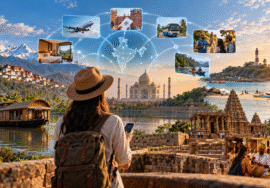
The rise of digital travel influencers has transformed destination marketing more dramatically than any previous communication revolution. Today, travellers no longer rely solely on brochures, guidebooks or television programmes to shape their travel decisions.
Instead, they seek authentic experiences through travel influencers, bloggers, YouTubers, podcasters, photographers and social media creators who have built loyal audiences through personal storytelling. These digital storytellers have become influential partners in promoting destinations and shaping travel decisions worldwide.
The Power of Personal Connection
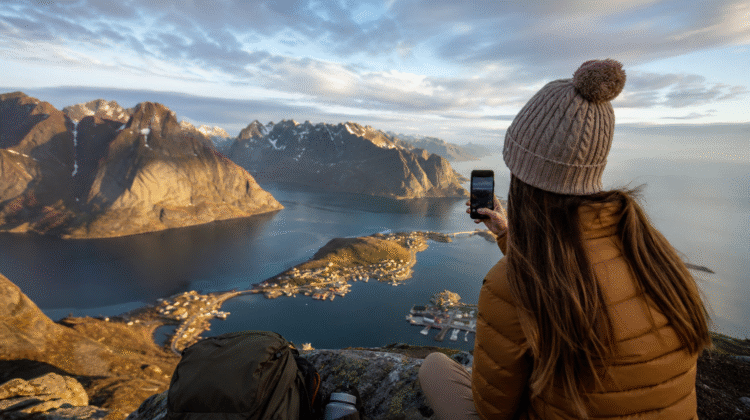
Travel influencers combine visual storytelling with personal experiences, allowing audiences to virtually explore destinations before making travel plans.
Emotion in a Frame
High-quality images capture the precise feeling of a place or moment.Experience Before Booking
Viewers are transported into the heart of a destination.Immediacy and Trust
Audiences participate, ask questions and experience the destination in real time.These tools provide prospective travellers with realistic expectations and practical insights that guide their decision-making.
The personal approach of influencers often creates stronger emotional connections than traditional advertising. When an influencer shares their genuine reaction to a sunset, a meal or an encounter, audiences feel as though they are experiencing it alongside them.
“The relationship between creators and their audiences is fundamentally different from the relationship between brands and consumers. There is a personal connection, a sense of shared experience, that makes influencer content uniquely powerful.”
The challenge for destinations is to partner with influencers who maintain their authenticity while representing destinations accurately and responsibly.
The Rise of Influencer Campaigns
From Sponsored Posts to Multi-Platform Strategy
Destination Marketing Organizations, airlines, hotels, cruise lines and tourism boards increasingly collaborate with credible influencers to reach targeted audiences. These partnerships have evolved from occasional sponsored posts to sophisticated, multi-platform campaigns that rival traditional marketing in scale and effectiveness.
Carefully planned campaigns can showcase adventure tourism, luxury travel, cultural experiences, wellness retreats, culinary tourism and hidden destinations to millions of potential visitors across multiple digital platforms.
Why Influencer Campaigns Work
Closer Audience Relationships
Creators can generate more interaction than one-way advertising.Personal Storytelling
Individual voices often feel more credible and relatable than institutional messaging.Trackable Outcomes
Digital campaigns can measure reach, engagement and audience response.I have witnessed the effectiveness of these campaigns firsthand. In Kerala, a campaign featuring travel influencers resulted in bookings from audiences that had never considered the destination before. In Ladakh, responsible travel influencers helped reposition the region as a sustainable destination rather than an exploitable frontier. In Goa, influencers highlighted offbeat experiences that distributed tourism benefits beyond the traditional coastal hotspots.
TheTravigator has been instrumental in these developments, serving as a bridge between traditional travel journalism and the new world of digital influence. Its credibility provides a foundation of trust, while its understanding of digital platforms enables innovative storytelling approaches.
The Responsibilities of Influence
Reach Without Responsibility Is a Liability
However, the growing influence of digital creators also brings significant responsibilities. Ethical travel influencers must provide honest reviews, clearly disclose sponsored content, respect local cultures, avoid promoting environmentally harmful activities and encourage responsible tourism practices.
Authenticity remains the foundation of audience trust, and misleading or exaggerated content can damage both destination reputations and traveller expectations.
The challenges are considerable. The pressure to produce engaging content can tempt influencers to exaggerate or misrepresent. The commercial relationships that sustain their work can compromise independence. The desire for unique content can lead to behaviour that is disrespectful to local communities or harmful to environments.
Yet many influencers recognise these risks and are working to maintain their integrity. The most successful creators—those with the most loyal audiences and the most enduring careers—are precisely those who prioritise authenticity over attention.
“The industry is maturing. Destinations and creators are learning to partner more effectively, with clearer expectations and stronger commitments to responsible storytelling.”
Technology and the Future of Destination Discovery
Technology Is Expanding What Destination Storytelling Can Do
Artificial intelligence, virtual reality, augmented reality and immersive digital experiences are further transforming destination marketing.
Virtual destination tours allow travellers to explore attractions before booking, reducing uncertainty and enabling more informed decisions. Interactive maps provide layered information about destinations, revealing stories that would otherwise remain hidden. Drone cinematography captures perspectives that were previously impossible. Personalised travel recommendations use data to suggest experiences that match individual preferences.
These innovations complement traditional travel journalism while creating new opportunities for storytelling. They do not replace the human element—the insight, curiosity and empathy that professional journalists and skilled creators bring to their work—but they enhance it, making stories more engaging and accessible.
TheTravigator has embraced these innovations, integrating technology into its storytelling approach while maintaining the editorial credibility that has made it a trusted B2B travel media platform.
Influencers in Times of Crisis
When Creator Platforms Become Information Channels
Digital influencers also play an important role during crises. By sharing verified information, highlighting safety measures and documenting tourism recovery efforts, they help rebuild traveller confidence following natural disasters, pandemics or political disruptions.
During the COVID-19 pandemic, influencers helped travellers navigate an unprecedented environment of uncertainty. They shared information about health protocols, testing requirements, flexible booking policies and safe travel practices.
They documented destinations’ recovery efforts, showing how communities were adapting and welcoming visitors responsibly. They provided reassurance to anxious travellers, reminding them of the joys of travel while respecting legitimate safety concerns.
This crisis response demonstrated the potential of influencer communication to serve purposes beyond marketing. When used responsibly, influencer platforms can be channels for information, education and community support.
The Future: Collaboration and Credibility
The future of destination marketing lies in collaboration between professional travel journalists, tourism organisations and responsible digital creators. Together, they combine credibility, creativity, technology and authentic storytelling to inspire sustainable travel and strengthen destination brands.
This collaboration recognises the complementary strengths of different media forms. Professional journalists provide the depth, analysis and accountability that are essential for understanding complex issues. Digital creators provide the personal connection, immediacy and creativity that engage audiences emotionally. Tourism organisations provide resources, access and industry knowledge.
Together, they create a richer, more complete picture of destinations and experiences.
As digital communication continues to evolve, travel influencers will remain powerful ambassadors connecting people with cultures, experiences and destinations around the globe. Their influence will grow, their methods will evolve, and their partnerships with destinations will mature.
The challenge—and the opportunity—is to ensure that this influence is wielded responsibly, transparently and sustainably.
Destination marketing is no longer only about broadcasting a message. It is about building trust through credible voices, authentic experiences and responsible storytelling.
This report is part of TheTravigator’s continuing news coverage of the travel, tourism, aviation, and hospitality sectors. Our editorial team publishes industry news, market insights, partnerships, policy developments, and business updates relevant to the travel trade community. For press releases, partnership opportunities, advertising enquiries, or editorial collaborations, please contact our editorial desk at:
INFO@THETRAVIGATOR.COM