
How Rendang and Nasi Lemak Can Anchor a Southeast Asian Culinary Journey
Long before the beef reaches the table, the kitchen has already filled with the scent of coconut, chilli and spices.
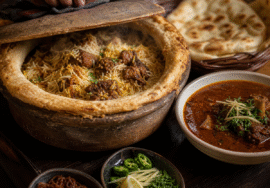
The pot begins with plenty of liquid. Then time and heat slowly change its character. Coconut milk reduces, the spice paste darkens and the meat absorbs layer after layer of flavour. What started as a simmering curry gradually becomes concentrated, almost dry, with the sauce clinging to every piece of beef.
This is rendang, closely associated with the Minangkabau culture of West Sumatra. Its most important ingredient may be time. The dish cannot be rushed without losing the depth created by steady reduction and patient cooking. A finished rendang should not resemble beef floating in coconut gravy; it should carry the intensity of a sauce that has cooked down into the meat.
For travellers, rendang provides a natural entry point into a larger cultural story. It can introduce West Sumatra’s food traditions, communal dining and the distinctive format of a Padang meal, where numerous small plates arrive together and diners pay for what they consume. A local host or guide can explain the dishes, the serving system and the role food plays during gatherings and ceremonies.
For tour operators, this is considerably stronger than listing “rendang lunch” in an itinerary. The meal can be paired with a market visit, a spice introduction or a cooking demonstration that begins early enough for guests to observe the reduction process. Because authentic rendang takes time, even a partial demonstration should be supported by a pot already well into its cooking. Otherwise, the experience risks becoming theatre without truth.
Across the wider Malay world, another coconut-based dish tells its story not through long reduction but through careful assembly.
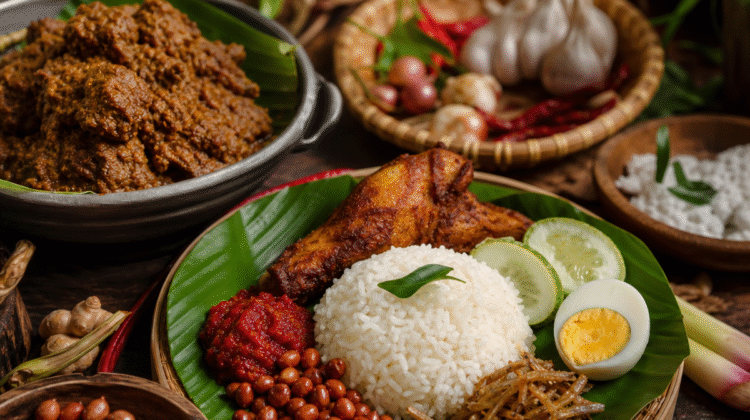
In Malaysia, nasi lemak often arrives early in the day. Coconut rice scented with pandan forms the centre, surrounded by sambal, peanuts, anchovies, cucumber and egg. Fried chicken or sambal squid may turn it into a more substantial non-vegetarian meal. Each element plays a different role: the rice is fragrant, sambal brings heat and sweetness, anchovies and peanuts add salt and crunch, while cucumber cools the palate.
Wrapped in banana leaf or served on a plate, nasi lemak can move easily between a market breakfast and a hotel dining room. That flexibility makes it highly useful for the travel trade, but it also creates a risk. When converted into a generic buffet item, the rice may lose its aroma, the sambal may become overly sweet and the crisp accompaniments may sit too long.
DMCs can protect the experience by placing nasi lemak where it naturally belongs: within a morning market visit, a neighbourhood café trail or a specialist breakfast stop. Hotels handling groups can serve the components fresh in smaller batches and offer different proteins without changing the identity of the dish. Clear labelling is particularly important because anchovies, shrimp paste and other seafood-based seasonings may not be obvious to every guest.
Rendang and nasi lemak reveal two different relationships with time. Rendang asks the traveller to appreciate hours of transformation inside one pot. Nasi lemak captures the rhythm of a morning through several elements brought together at the final moment. One is concentrated and ceremonial; the other is flexible, familiar and woven into everyday life.
Together, they can anchor a culinary journey across Indonesia and Malaysia without forcing food into a separate specialist tour. Rendang can deepen a West Sumatran cultural programme, while nasi lemak can give an urban Malaysian itinerary a stronger sense of place before the formal sightseeing begins.
For B2B travel businesses, this is the real opportunity. Signature dishes should not be used merely as menu descriptions or social-media photographs. When the timing, setting, preparation and people behind them become part of the programme, food starts doing the work of interpretation. A slow pot of rendang and a fragrant parcel of nasi lemak can then tell travellers far more about Southeast Asia than a standard meal ever could.
This report is part of TheTravigator’s continuing news coverage of the travel, tourism, aviation, and hospitality sectors. Our editorial team publishes industry news, market insights, partnerships, policy developments, and business updates relevant to the travel trade community. For press releases, partnership opportunities, advertising enquiries, or editorial collaborations, please contact our editorial desk at:
INFO@THETRAVIGATOR.COM