
The Sealed Pot and the Dawn Cauldron
A South Asian Journey Through Hyderabadi Biryani and Nihari
The lid remains closed until everyone is ready.
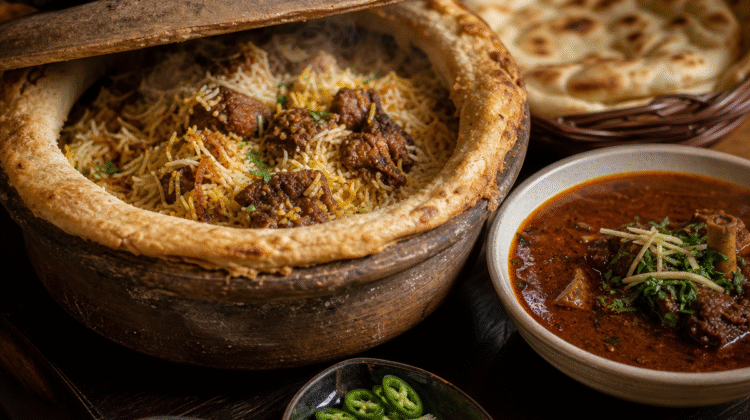
Inside the pot, rice and marinated meat have been cooking together under a seal of dough. Steam carries the aroma of saffron, fried onion, herbs and spices through every layer. When the seal is finally broken, the moment is almost theatrical: fragrance escapes first, followed by long grains of rice and pieces of tender meat lifted carefully from the degh.
This is the drama of Hyderabadi biryani, a dish that can transform an ordinary meal into an event. Its identity rests on dum cooking, where rice and goat or chicken finish together in a sealed vessel. A good biryani is not a uniform mixture. Each serving should reveal distinct grains, changing intensities of spice and the flavour of meat that has cooked within the same enclosed environment.
Hyderabad has no shortage of restaurants selling biryani, but abundance can make product selection harder for the travel trade. The most famous outlet is not automatically the best fit for every group. Operators need to consider service speed, coach access, seating, hygiene, portion size and whether the restaurant can explain the dish instead of simply placing it on the table.
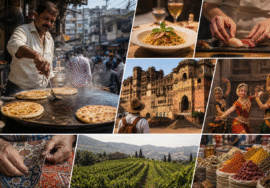
A stronger culinary itinerary might begin before the meal. Guests could visit a spice market, meet a cook who demonstrates the layering process and then watch a sealed pot being opened for the group. That single reveal provides a natural storytelling moment while helping travellers understand why dum biryani cannot be reduced to “spiced rice with chicken.” Hotels can also build the experience into private dining, but the presentation should retain the communal character of the pot.
If biryani belongs to anticipation and celebration, nihari tells a story of patience and early mornings.
In Lahore and Karachi, the dish has long been associated with breakfast, although it is now eaten throughout the day. Shank meat cooks slowly in a deeply seasoned gravy until the connective tissue softens and the sauce develops a rich, silky body. Fresh ginger, herbs, chilli and lemon arrive at the table, allowing each diner to sharpen the final bowl before tearing a piece of naan.
The experience is quieter than the opening of a biryani pot, but no less powerful. Nihari carries the feeling of a dish that began cooking while the city slept. Its appeal comes from time: the hours required to soften the meat, concentrate the gravy and bring the spices into balance.
For DMCs, this creates an opportunity to design an early-morning food trail rather than adding nihari to an overcrowded lunch menu. A specialist restaurant, a bakery stop for fresh naan and a guided walk through an old commercial quarter can turn breakfast into a window on the city’s working rhythm. The experience can also appeal to repeat visitors who have already covered the conventional monuments and are looking for a more intimate way to understand the destination.
Operators must brief travellers properly. Nihari is rich, portions can be substantial and spice tolerance varies. Dietary and religious requirements should be reconfirmed with the restaurant rather than inferred. Small groups are often better suited to heritage establishments where capacity is limited but interaction is more authentic.
Hyderabadi biryani and nihari share a history of slow cooking, yet they create completely different travel moments. One is revealed from a sealed pot and naturally suits a celebratory dinner. The other emerges from an overnight simmer and belongs to the beginning of the day. For B2B travel planners, that contrast is the product: not two heavy meat dishes placed on a standard menu, but two carefully timed encounters with South Asian cities, kitchens and traditions.
This report is part of TheTravigator’s continuing news coverage of the travel, tourism, aviation, and hospitality sectors. Our editorial team publishes industry news, market insights, partnerships, policy developments, and business updates relevant to the travel trade community. For press releases, partnership opportunities, advertising enquiries, or editorial collaborations, please contact our editorial desk at:
INFO@THETRAVIGATOR.COM