Smell the Coffee in Kruger: When a Morning Ritual Becomes a Safari Experience
A safari is often measured in dramatic moments.
A lion emerging from tall grass.
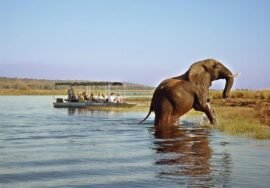
An elephant crossing a road.
A leopard disappearing into woodland.
But some of the most memorable safari experiences happen when nothing spectacular appears on the schedule.
A quiet morning.
The sound of birds.
Cool air over the bush.
The first light moving across the landscape.
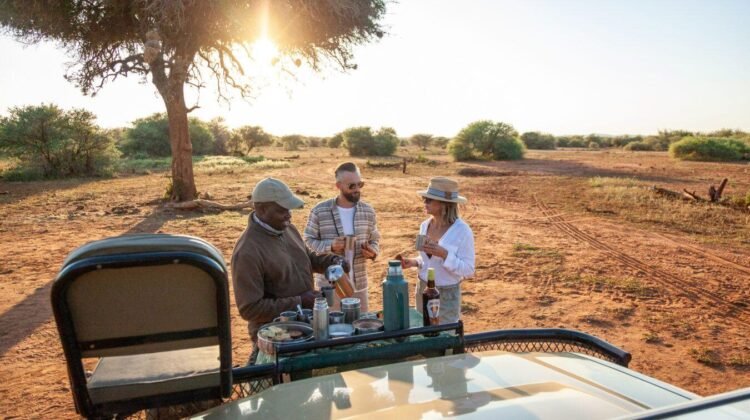
And a freshly brewed cup of coffee enjoyed in the wilderness.
In Kruger National Park, one of South Africa’s most famous wildlife destinations, these simple moments can become an important part of the safari experience.
Because modern safari travel is increasingly about more than wildlife sightings.
It is about how travellers feel while experiencing the wilderness.
The Morning Begins Differently in the Bush
In a city, coffee is often the beginning of a busy day.
In the bush, it can mean something entirely different.
The morning begins with darkness gradually giving way to light.
The sounds of the wilderness become more noticeable.
Bird calls replace traffic.
The landscape slowly reveals itself.
For safari travellers, an early morning coffee can therefore become a sensory introduction to the day ahead.
It is not simply a beverage.
It becomes part of the rhythm of the destination.
Why Morning Matters on Safari
Early mornings are among the most anticipated periods of a safari day.
Temperatures are generally cooler, light is softer and wildlife activity can be rewarding.
Animals may still be moving after the night, while others begin searching for food as the day starts.
For photographers, the morning can offer beautiful natural light.
For wildlife enthusiasts, it provides another opportunity to observe behaviour.
And for travellers who simply want to experience nature, it offers something equally valuable:
Silence.
The combination of an early game drive and a coffee stop can turn the beginning of the day into an experience in itself.
Kruger Beyond the Big Five
Kruger National Park is internationally associated with the Big Five.
But reducing the destination to five animals misses much of what makes the park special.
The landscape supports an extraordinary range of species, habitats and ecological interactions.
Giraffes move between trees.
Zebras and antelope cross open areas.
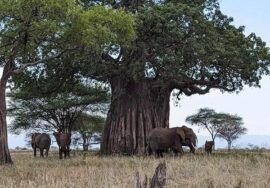
Elephants reshape their surroundings.
Birds provide a constant soundtrack.
Predators remain part of the ecosystem, but they are only one component of it.
A slower safari allows travellers to notice these details.
And sometimes, stopping for coffee creates exactly that opportunity.
The Art of Slow Safari
Luxury travel is increasingly embracing the idea of slowing down.
Travellers want meaningful experiences rather than simply collecting destinations.
This philosophy fits naturally with safari.
A game drive does not have to be a race from one animal sighting to another.
A skilled guide may stop to explain a track.
Point out a bird.
Describe a tree.
Watch changing behaviour.
Or simply allow guests to sit quietly and observe.
Coffee becomes symbolic of this approach.
It creates a pause.
A moment to absorb the landscape rather than immediately move to the next activity.
Coffee with a View
Imagine sitting outside in the early morning with the bush stretching beyond the camp.
There is no city skyline.
No office noise.
No rush to reach the next appointment.
Instead, the landscape itself becomes the view.
This is where safari hospitality can create a powerful sense of place.
The quality of the coffee matters.
But the surroundings matter more.
The experience is created by combining hospitality with wilderness.
That combination is one of the reasons safari remains such a compelling luxury travel product.
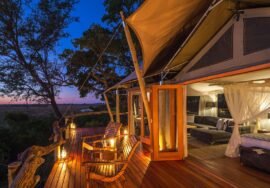
The Role of Safari Camps
Safari camps and lodges have increasingly recognised that memorable guest experiences are built around details.
A morning coffee served before a game drive.
Breakfast in the bush.
A drink overlooking a waterhole.
Dinner beneath the stars.
These moments extend the safari beyond the vehicle.
They allow the property and its surroundings to become part of the destination experience.
For luxury operators, this is an important distinction.
The guest is not simply buying a bed in the bush.
They are buying access to a way of experiencing the wilderness.
Photography and the Morning Light
Kruger’s morning environment also creates strong opportunities for photography.
The low-angle light can add depth to landscapes and wildlife.
Mist, dust and vegetation can create changing textures.
Animals may appear against the first light of the day.
Even when there is no major wildlife sighting, the landscape itself can become the subject.
For photographers, the morning coffee break can therefore be more than a pause.
It can be a chance to observe the environment without the pressure of a moving vehicle.
A Different Kind of Luxury
Luxury is often associated with expensive materials, large rooms and highly formal service.
Safari offers another interpretation.
Here, luxury can mean time.
Space.
Privacy.
Silence.
Personalised guiding.
And the ability to experience nature without interruption.
A cup of coffee in the middle of a protected wilderness may sound simple.
But the context makes it extraordinary.
That is the paradox of experiential luxury.
The simpler the moment, the more powerful it can become when the setting is exceptional.
Responsible Enjoyment of the Wilderness
Experiencing the bush responsibly remains essential.
Wildlife should always be given appropriate space.
Visitors should follow the guidance of professional guides and park authorities.
Food and beverages should be handled responsibly, particularly in areas where wildlife is present.
The objective is not to bring urban habits into the wilderness without thought.
It is to adapt those rituals to the environment respectfully.
That balance is fundamental to sustainable safari tourism.
Why Experiential Travel Is Growing
Travellers increasingly want stories they can remember rather than simply photographs they can collect.
A checklist of destinations can tell someone where they went.
A sensory memory can tell them what the journey felt like.
That distinction is becoming increasingly important in luxury tourism.
A morning coffee surrounded by the sounds of the African bush may become more memorable than another standard hotel breakfast.
The experience gains value because it is inseparable from the destination.
Kruger as an Experiential Destination
Kruger has the scale and biodiversity to support many different styles of travel.
First-time safari visitors can focus on wildlife.
Repeat travellers can explore different areas and behaviours.
Photographers can pursue light and composition.
Families can discover nature together.
Luxury travellers can combine private guiding with personalised camp experiences.
And slower travellers can simply enjoy the rhythm of the bush.
That flexibility is one of Kruger’s greatest strengths.
The Bigger Picture for Safari Tourism
The future of safari may depend increasingly on this shift from sightseeing to experience.
Wildlife remains the foundation.
But the industry is discovering that the spaces between wildlife sightings can be just as valuable.
The coffee before the drive.
The conversation with the guide.
The sound of birds around camp.
The sunset after returning from the bush.
The quiet moment before dinner.
These details turn a safari into a story rather than a checklist.
The Verdict
In Kruger, a cup of coffee can become something more than a morning routine.
It can be a reminder that the essence of safari is not always found in the most dramatic wildlife encounter.
Sometimes it is found in the quiet moments.
The first light.
The sounds of the bush.
The warmth of a cup in your hands.
And the realisation that, for a few minutes, there is nowhere else you need to be.
That is the luxury of slowing down in the wilderness.