
cruise Tourism and the Power of Storytelling
How Floating Cities Became Journeys of Discovery
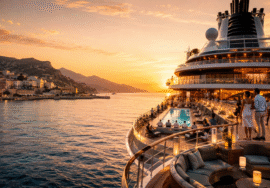
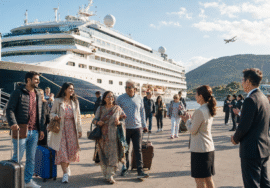
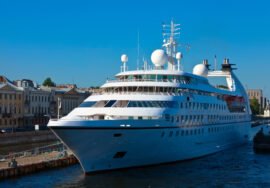
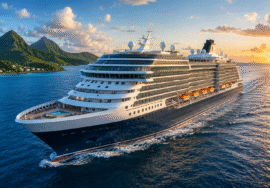
The first time I stepped aboard a modern cruise ship, I was unprepared for what I found. I had expected something modest—a ship, after all, is a vessel for transport. What I discovered was a floating city, a world unto itself, with more restaurants than my hometown, entertainment venues that rivalled London’s West End, and a level of service that made me feel like royalty. The ship carried thousands of passengers and crew, yet somehow managed to make each individual feel seen, valued, and cared for.
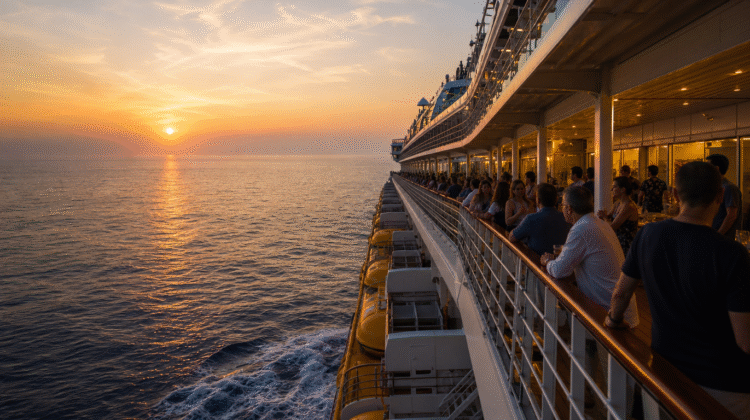
The captain, a silver-haired Italian with the easy charm of someone who had spent a lifetime at sea, invited me to the bridge as the sun set over the Mediterranean. “People ask me what I do,” he said, gesturing toward the endless expanse of water. “I tell you what I do not just sail ships. I create memories. For families, for couples, for people who have worked their whole lives and saved their whole lives for this one week. That is not transportation. That is transformation.”
His words captured something essential about cruise tourism that is often overlooked. It is not simply a holiday; it is a narrative, a story that unfolds over days and nights at sea, with characters, plot twists, and a climax that lingers in the memory long after the journey ends. And at the heart of this storytelling ecosystem is travel media, which has been instrumental in shaping public perceptions of cruise travel and bringing its magic to audiences around the world.
This report is part of TheTravigator’s continuing news coverage of the travel, tourism, aviation, and hospitality sectors. Our editorial team publishes industry news, market insights, partnerships, policy developments, and business updates relevant to the travel trade community. For press releases, partnership opportunities, advertising enquiries, or editorial collaborations, please contact our editorial desk at:
INFO@THETRAVIGATOR.COM