Cruise Tourism and the Power of Storytelling
Cruise Tourism and the Power of Storytelling
Why the cruise experience is not merely transportation, but a carefully unfolding narrative shaped by hospitality, destinations, culture and memory.
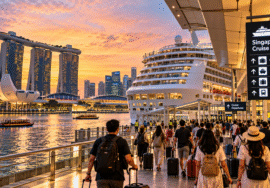
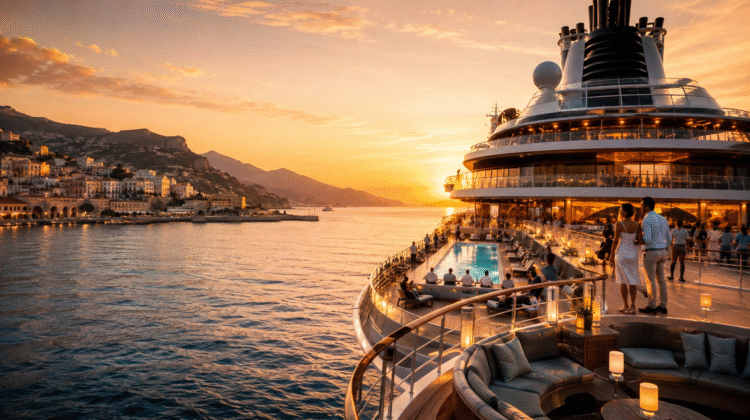
The first time I stepped aboard a modern cruise ship, I was unprepared for what I found. I had expected something modest—a ship, after all, is a vessel for transport. What I discovered was a floating city, a world unto itself, with more restaurants than my hometown, entertainment venues that rivalled London’s West End, and a level of service that made me feel like royalty. The ship carried thousands of passengers and crew, yet somehow managed to make each individual feel seen, valued, and cared for.
The captain, a silver-haired Italian with the easy charm of someone who had spent a lifetime at sea, invited me to the bridge as the sun set over the Mediterranean.
“People ask me what I do. I tell them I do not just sail ships. I create memories. For families, for couples, for people who have worked their whole lives and saved their whole lives for this one week. That is not transportation. That is transformation.”
His words captured something essential about cruise tourism that is often overlooked. It is not simply a holiday; it is a narrative, a story that unfolds over days and nights at sea, with characters, plot twists, and a climax that lingers in the memory long after the journey ends.
At the heart of this storytelling ecosystem is travel media, which has been instrumental in shaping public perceptions of cruise travel and bringing its magic to audiences around the world.
The Transformation of Cruise Tourism
Cruise tourism has transformed from a luxury holiday for the wealthy into a mainstream travel experience enjoyed by families, couples, retirees, and adventure seekers. The industry has democratised access to the sea, making ocean voyages accessible to millions who would never have considered them a generation ago.
Modern cruise ships offer floating destinations featuring world-class accommodation, entertainment, dining, wellness facilities, and access to multiple countries within a single journey.
Floating Cities at Sea
The largest cruise ships today are architectural marvels, carrying thousands of passengers and crew, with amenities that rival the best resorts on land. They are cities that move—ecosystems of hospitality capable of sustaining themselves for weeks at sea.
The industry is growing, with new ships being launched every year and new itineraries opening up in destinations around the world.
Travel media has been instrumental in this transformation. Through compelling storytelling, travel journalists communicate the excitement of ocean voyages, cultural excursions, culinary experiences, and unique itineraries that distinguish cruise vacations from conventional travel.
They have helped shift public perception from viewing cruises as formal, regimented holidays to understanding them as flexible, diverse experiences suitable for a wide range of travellers.
Experience-Driven Storytelling
Unlike traditional holidays, cruise travel is fundamentally an experience-driven product. Travellers are purchasing not only destinations—the ports they will visit and the sights they will see—but also onboard lifestyles.
A Destination in Itself
Its own rhythms, rituals, communities, entertainment and hospitality culture.A Story in Motion
The experience begins at embarkation and continues until reluctant disembarkation.A Window Before Booking
Stories allow audiences to experience cruise life before they purchase it.Travel media captures this experience through multiple formats. Feature articles explore the nuances of shipboard life, from culinary offerings and entertainment options to hidden corners where passengers can find solitude.
Documentaries showcase the scale and ambition of modern cruise ships, revealing the engineering, logistics, and human effort that make them possible. Travel television programmes bring the experience to life with stunning visuals and engaging narratives. Blogs and podcasts offer personal perspectives that resonate with audiences seeking authentic accounts.
Through these stories, audiences can experience cruise life before booking. Visual storytelling captures spectacular ships, breathtaking coastlines, cultural interactions, and onboard entertainment, helping prospective passengers understand the value of cruise holidays and choose the experience that best matches their preferences.
Destination Promotion and Community Impact
Travel media also contributes to destination promotion through cruise coverage. Cruise itineraries introduce travellers to ports that they might not otherwise visit, generating tourism revenue for local communities through guided tours, shopping, dining, transportation, and cultural attractions.
How Cruise Tourism Reaches Local Economies
Village to Tourism Hub
Local entrepreneurs develop craft markets, excursions and eco-tours.Seasonal Economic Support
Cruise passengers sustain businesses that depend on short tourism seasons.Ancient Ports, New Visitors
Historic destinations gain renewed relevance as stopovers for modern explorers.I have witnessed the transformative impact of cruise tourism on small communities. Yet this impact comes with responsibility.
Travel journalists must address the challenges of cruise tourism—the pressure on local infrastructure, environmental concerns, and the need for sustainable practices. Balanced reporting ensures that the industry grows responsibly, benefiting communities without overwhelming them.
Sustainability in Cruise Journalism
Reporting Beyond the Glamour
Sustainability has become an increasingly important topic within cruise journalism. Professional travel writers now examine environmental innovations such as cleaner fuels, waste management systems, shore power technologies, and marine conservation initiatives.
They hold cruise operators accountable for environmental performance while highlighting those that are leading the way in sustainable practices.
The cruise industry has responded with significant investments in environmental technology. New ships are being built with cleaner engines, advanced wastewater treatment systems, and waste-to-energy conversion. Shore power allows ships to connect to local electrical grids, reducing emissions in port. Marine conservation initiatives protect the oceans that are the industry’s lifeblood.
Balanced reporting encourages cruise operators to adopt responsible practices while educating travellers about sustainable choices. When passengers understand the environmental impact of their choices, they can make informed decisions that align with their values.
Rebuilding Confidence After the Pandemic
From Crisis Coverage to Consumer Trust
The COVID-19 pandemic was particularly devastating for the cruise industry. Images of stranded ships, quarantined passengers, and overwhelmed healthcare systems dominated global headlines, undermining years of progress in building confidence.
The industry faced an existential threat, with operations suspended for extended periods and uncertainty about when—or whether—passengers would return.
Travel media played a significant role in rebuilding confidence. Transparent reporting on health protocols, enhanced sanitation measures, vaccination requirements, and onboard medical facilities reassured travellers considering future voyages.
Journalists highlighted the industry’s commitment to passenger safety, the rigorous protocols that had been implemented, and the return of cruises redesigned with health at the centre.
This reporting demonstrated the power of travel media to support industry recovery. By providing accurate, balanced information, journalists helped rebuild the trust that is essential for tourism to flourish.
The Future of Cruise Travel
Where the Story Goes Next
The industry is diversifying, with options ranging from ultra-luxury voyages on small ships to family-friendly megaships with endless entertainment. Expedition cruises are opening remote destinations from Antarctica to the Arctic, while river cruises offer intimate exploration of inland waterways.
Looking ahead, cruise tourism will continue evolving through technological innovation, expedition cruising, luxury experiences, river cruises, and eco-conscious travel.
Sustainability is becoming a competitive advantage, with eco-conscious travellers seeking operators who share their values.
The Stories That Shape the Sea
Travel media will remain essential in presenting these developments, inspiring new travellers while promoting responsible growth across the global cruise industry.
The stories we tell will shape perceptions, influence choices, and determine whether the industry realises its potential as a force for connection and discovery.
This report is part of TheTravigator’s continuing news coverage of the travel, tourism, aviation, and hospitality sectors. Our editorial team publishes industry news, market insights, partnerships, policy developments, and business updates relevant to the travel trade community. For press releases, partnership opportunities, advertising enquiries, or editorial collaborations, please contact our editorial desk at:
INFO@THETRAVIGATOR.COM