The Golden Kingdom: A Cultural Journey Through Ancient India–Myanmar Connections, Heritage and Culinary Traditions
Myanmar · DESTINATION FEATURE | CULTURAL HERITAGE • BUDDHISM • FOOD • TRAVEL RESPONSIBILITY
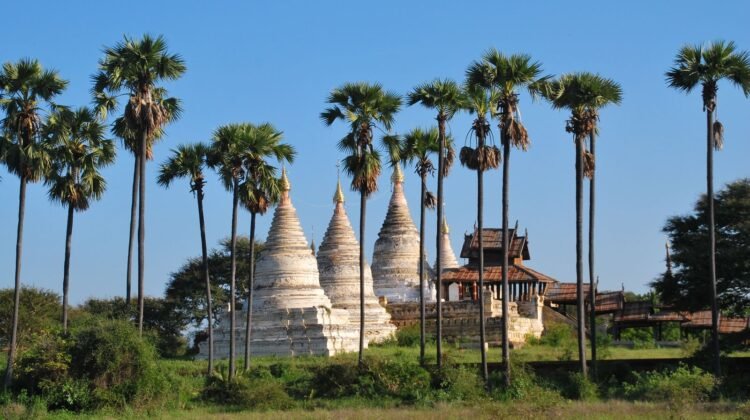
Featured photo: Ancient pagodas and palm trees in Bagan, Myanmar; heritage photograph. Photo by Micha Höfer / Pexels.
There are destinations that remain firmly embedded in the imagination of travellers even when circumstances prevent them from being explored freely. Myanmar is one such country. Its golden pagodas, ancient temple landscapes, traditional tea shops, river communities and extraordinary cultural diversity have long made it one of Southeast Asia’s most fascinating heritage destinations.
For Indian travellers, Myanmar has a particularly meaningful place in the region’s cultural geography. Its Buddhist traditions, historical commercial links and connections across the Bay of Bengal have created centuries of interaction between the two countries.
For the younger generation interested in history, architecture, photography, spirituality and food, Myanmar represents an extraordinary cultural story. However, an essential editorial distinction must be made: its historical appeal should not be confused with present-day travel suitability.
As of 13 November 2026, Myanmar should not be promoted as an ordinary leisure destination. Our advise against all travel because of the unpredictable security environment, armed conflict, civil unrest and risks affecting even major cities.
This feature therefore explores Myanmar as a cultural destination for future consideration and industry understanding, not as a recommendation to book an immediate holiday.
A centuries-old connection with India
Myanmar’s relationship with India extends through Buddhism, trade, migration, education and cultural exchange.
Buddhist traditions have played a particularly important role in shaping Myanmar’s identity. Monasteries, pagodas, religious festivals and meditation practices remain central to the country’s cultural history.
There are also connections through India’s northeastern states and historical commercial routes across the Bay of Bengal. These relationships offer an interesting subject for cultural researchers, educational institutions and heritage-focused tour operators.
For Indian visitors, the country’s religious architecture and traditions would provide opportunities to understand how Buddhist philosophy developed and flourished across different Asian societies.
Bagan: An archaeological landscape of extraordinary beauty
Before the present security crisis, Bagan was among Southeast Asia’s most remarkable heritage destinations.
Its vast archaeological landscape contains thousands of ancient Buddhist temples, stupas and pagodas. The sight of temple spires emerging from the morning mist has become one of Asia’s most recognisable heritage images.
The Ananda Temple, Dhammayangyi Temple and Shwezigon Pagoda are among the important monuments associated with the region.
For young travellers interested in architecture and photography, Bagan’s appeal lies in the scale of the landscape and the diversity of its monuments. It also provides a valuable opportunity to understand the development of Burmese civilisation, religious patronage and traditional craftsmanship.
Yangon: Where spirituality meets urban history
Yangon has historically been the principal international gateway to Myanmar.
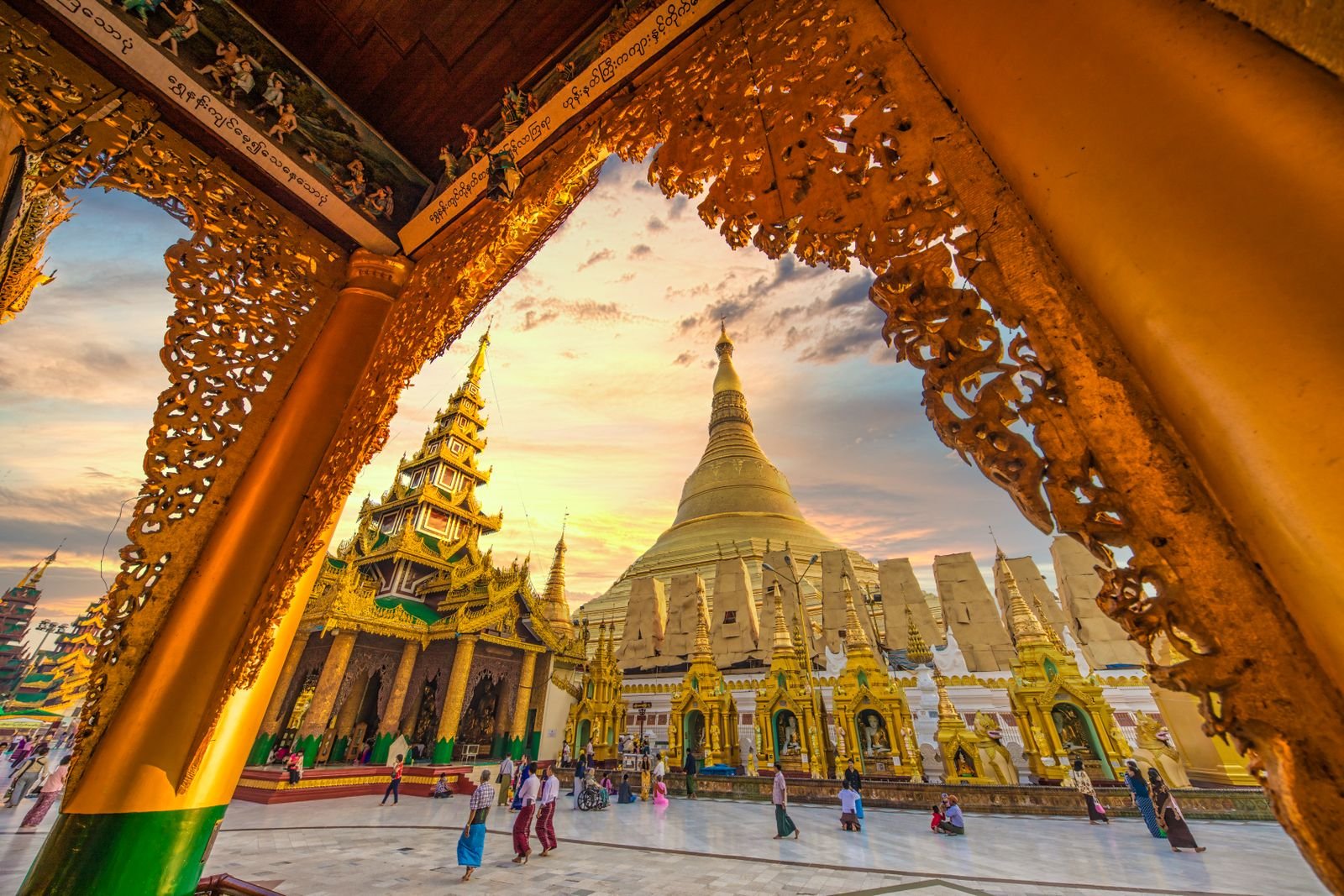
Its defining landmark is the magnificent Shwedagon Pagoda, a golden Buddhist complex of immense religious and cultural significance.
The city’s historic downtown also reflects the country’s colonial past and multicultural commercial history. Traditional markets, tea shops and neighbourhood streets have historically provided visitors with a fascinating introduction to everyday urban life. Inle Lake has traditionally attracted visitors through its floating gardens, stilt-house communities and distinctive fishing traditions.
Mandalay, meanwhile, is associated with royal history, monasteries and traditional crafts. Its cultural significance makes it an important part of Myanmar’s historical narrative.
A culinary culture influenced by its neighbours
Myanmar’s cuisine reflects influences from India, China, Thailand and its many ethnic communities.
The country’s signature breakfast preparation is mohinga, a fish-based noodle soup traditionally served with herbs and other accompaniments. It is one of the most recognisable expressions of Burmese food culture.
Another important dish is laphet thoke, or fermented tea-leaf salad, which combines tea leaves, nuts, beans and other ingredients to create a distinctive combination of textures and flavours.
Shan noodles are another regional speciality, while traditional Burmese curries are generally accompanied by rice, vegetables and several side dishes.
For Indian food enthusiasts, the interesting connection is the use of spices, rice preparations, lentils and regional ingredients that create points of familiarity while remaining distinctly Burmese.
Traditional tea shops deserve particular attention. Historically, they have functioned as important social spaces where people meet, discuss daily affairs and enjoy tea with light meals.
Festivals and traditions that define Myanmar
Myanmar’s traditional calendar is closely associated with Buddhist religious observances and seasonal celebrations.
Thingyan, the traditional New Year festival, is particularly significant. Water is associated with purification and the welcoming of a new year. The celebration traditionally includes religious offerings, visits to elders and community festivities.
Thadingyut, the Festival of Lights, marks the end of Buddhist Lent. Homes, streets and public spaces are illuminated, while families visit monasteries and make offerings.
The Taunggyi Tazaungdaing hot-air balloon festival is another distinctive cultural event, traditionally associated with the full moon of Tazaungmon. It has historically attracted attention for its elaborate illuminated balloon displays.
These festivals reveal the relationship between religious belief, community participation and seasonal traditions.
What about the young independent traveller?
Historically, Myanmar attracted independent travellers seeking cultural immersion, photography, architecture and authentic local encounters. Its appeal was not built around conventional luxury tourism but around the opportunity to explore a less commercialised cultural landscape.
However, today’s traveller must put personal safety before the desire for unusual experiences. The current security environment can affect transport, accommodation, communications, access to services and insurance protection.
The supplied destination research appropriately does not assign a commercial holiday budget to Myanmar. It would be misleading to suggest that a conventional backpacking, couple or family package is currently appropriate.
The responsibility of the Indian travel trade
For Indian tour operators, DMCs, airlines and tourism media, Myanmar deserves continued attention as a destination of long-term cultural and historical importance.
But the immediate responsibility is clear:
- Do not actively market routine leisure holidays without credible official guidance supporting safe travel.
- Monitor Indian Ministry of External Affairs advisories and destination-specific security conditions.
- Check airline operations, insurance exclusions, accommodation availability and transport reliability.
- Avoid suggesting that historical travel budgets or past itineraries represent current bookable products.
TheTravigator’s verdict: Myanmar possesses an extraordinary cultural story that deserves to be understood, documented and remembered. Yet responsible travel journalism must recognise that destination potential and present-day travel safety are two very different things. For now, Myanmar is a country to study and monitor, not one to promote indiscriminately to young holidaymakers.
Current travel advice: Smartraveller · Government of Canada · UK FCDO. Checked 13 November 2026.
Beyond the Beaches: About this series
Reimagining Southeast Asia for Generation Z, backpackers, slow travellers and the new generation of location-independent professionals.
Southeast Asia is no longer simply an affordable international holiday option for Indian travellers. It is becoming a region of discovery for a generation that wants to experience destinations rather than merely visit them. Young Indians are increasingly interested in street-food trails, cultural neighbourhoods, music and festivals, traditional crafts, nature-based adventures and accommodation that allows them to stay longer without exhausting their budgets.
For Generation Z and travellers under 30, the appeal lies in authenticity, affordability and experiences worth sharing. Backpackers want freedom to explore. Slow travellers want time to understand local communities. Remote-working executives want reliable connectivity, interesting surroundings and a lifestyle that combines professional commitments with cultural exploration.
Interestingly, Southeast Asia has several cultural connections with India. Hinduism, Buddhism, ancient maritime trade, migration, spices, traditional healing systems and centuries of cultural exchange have shaped the region. Yet every country has interpreted these influences differently, creating distinctive identities, cuisines, festivals and traditions.
For India's outbound travel industry, this presents an opportunity to move beyond conventional sightseeing packages and develop experience-led itineraries for a younger, more independent and increasingly discerning traveller.
The following seven destination features explore not just where to go, but how to experience each country through its food, traditions, festivals, cultural connections and emerging travel lifestyles.