
Beyond Dubai: Five Emirates, Five Stories, One Extraordinary UAE
THE NORTHERN FIVE
A B2B Travel Media Special Feature | Destination Discovery Series
By Editorial Desk
Dubai may have introduced the world to the UAE’s extraordinary appetite for reinvention, and Abu Dhabi may have established its reputation as a destination of culture, luxury and grand experiences. But beyond these internationally recognised names lies another UAE, one that rewards travellers willing to take a different road. Here, ancient trading settlements sit beneath dramatic mountain ranges, fishermen still read the rhythm of the sea, mangroves shelter migratory birds, and traditional markets preserve the flavours and textures of Arabian life.
Sharjah, Ras Al Khaimah, Fujairah, Ajman and Umm Al Quwain are often grouped together as the Northern Emirates. Yet, to sell them as a single destination would be to overlook their greatest strength: individuality. Each has its own character, culinary traditions, landscape and reasons to stay longer.
For the international travel trade, particularly Indian outbound operators, these five emirates present an opportunity to move beyond the familiar Dubai–Abu Dhabi circuit and build itineraries around culture, adventure, coastal retreats, nature and authentic Emirati encounters.
Here are five destinations that deserve considerably more than a passing mention in the UAE holiday brochure.
1. SHARJAH
Where the UAE’s Cultural Heart Beats Strongest

There are destinations that impress at first sight, and then there are those that reveal themselves gradually. Sharjah belongs firmly to the second category. Its appeal is not built around a single record-breaking attraction or an architectural spectacle designed to dominate a skyline. Instead, it unfolds through museums, restored merchant houses, traditional markets, waterfront promenades and neighbourhoods where the UAE’s cultural memory remains remarkably tangible.
Recognised as the UNESCO Cultural Capital of the Arab World in 1998 and the Capital of Islamic Culture in 2014, Sharjah has made cultural preservation central to its tourism identity. For travellers who want to understand the Emirates rather than simply photograph them, this is an especially rewarding place to begin.
A journey through history, art and architecture
The natural starting point is the Heart of Sharjah, an ambitious heritage restoration project that brings the emirate’s historic trading quarter back into focus. Traditional houses, courtyards, narrow lanes, wind towers and old commercial buildings create an atmosphere that feels far removed from the contemporary UAE. The experience is best enjoyed on foot, allowing time to notice architectural details, browse craft shops and pause at traditional cafés.
A short distance away, the Sharjah Museum of Islamic Civilization provides an impressive introduction to the intellectual and artistic achievements of the Islamic world. Its collection includes more than 5,000 artefacts, spanning manuscripts, ceramics, scientific instruments, coins, textiles and decorative arts. Visitors can explore the contributions of Muslim scholars to astronomy, mathematics, medicine and other disciplines, while the museum’s displays of historical Qur’anic manuscripts and elements of the Kiswah offer particularly memorable encounters.
For a different perspective, the Sharjah Archaeology Museum takes visitors further back in time, with archaeological discoveries tracing human history in the region over thousands of years. The Al Mahatta Museum, meanwhile, tells the fascinating story of aviation in the Gulf. Opened in 1932, Sharjah’s original airport was the first airport in the region, making the museum an interesting stop for aviation enthusiasts and history-conscious travellers alike.
The emirate’s contemporary cultural personality is equally compelling. The Sharjah Art Museum, galleries, literary institutions and the Sharjah International Book Fair have helped establish the city as a meeting point for artists, authors, collectors and intellectual communities from across the world.
Beyond museums: Waterfronts, beaches and the east coast
Sharjah is not simply a cultural itinerary. Al Majaz Waterfront, overlooking Khalid Lagoon, is one of the city’s most enjoyable evening destinations. Families gather for restaurants, cafés, landscaped walkways and views across the water. The Blue Souk, officially known as the Central Souk, is another essential stop. Its distinctive blue-tiled exterior conceals a collection of shops selling carpets, jewellery, textiles, handicrafts and souvenirs.
The emirate’s eastern coastline introduces an entirely different landscape. Khor Fakkan, set between the Hajar Mountains and the Gulf of Oman, is a beautiful coastal town with a sweeping crescent-shaped beach, a picturesque waterfront and opportunities for kayaking, snorkelling, sailing and other water-based activities. The Al Rabi Mountain trail offers rewarding views for walkers, while Khor Fakkan Waterfall and the amphitheatre provide attractive additions to a sightseeing programme.
Kalba, further south, offers a more nature-oriented experience, with mangrove ecosystems and opportunities to explore the region’s coastal biodiversity.
The flavours of Sharjah
Sharjah’s food culture is an important part of its appeal. Emirati cuisine is built around hospitality, generous portions and the use of rice, meat, seafood, dates and aromatic spices. Visitors should look out for machboos, a fragrant rice preparation cooked with chicken, lamb or fish, and harees, a traditional slow-cooked dish of wheat and meat that is especially associated with festive occasions.
Luqaimat, small golden dumplings drizzled with date syrup, make an irresistible dessert, particularly when served with Arabic coffee. Dates, cardamom, saffron and locally enjoyed spice blends provide a distinctive flavour profile. Traditional restaurants and cafés offer an opportunity to experience these dishes in a relaxed setting, while contemporary dining establishments introduce international influences.
Turning Sharjah into a sellable itinerary
For tour operators, Sharjah works particularly well as a two-night cultural stay, or as an extension to a Dubai holiday. A well-designed programme could combine the Heart of Sharjah, the Museum of Islamic Civilization, a traditional souk visit and an evening at Al Majaz. A further day could introduce Khor Fakkan and the east coast.
The emirate is especially suitable for families, educational groups, culture enthusiasts, senior travellers, architecture lovers and repeat visitors to the UAE. Its proximity to Dubai International Airport also makes it convenient for multi-emirate packages.
Travel consultants should brief visitors on local cultural expectations, particularly modest clothing at religious and heritage sites. Sharjah also maintains stricter alcohol regulations than several neighbouring emirates, an important consideration when selecting hotels and designing evening experiences.
The trade perspective: Sharjah is not merely an alternative place to stay while visiting Dubai. It is a destination with a distinct cultural proposition. Sell it as the UAE’s living heritage experience, and give clients sufficient time to discover it.
2. RAS AL KHAIMAH
Mountains, Desert and the Arabian Gulf: The UAE’s Adventure Playground
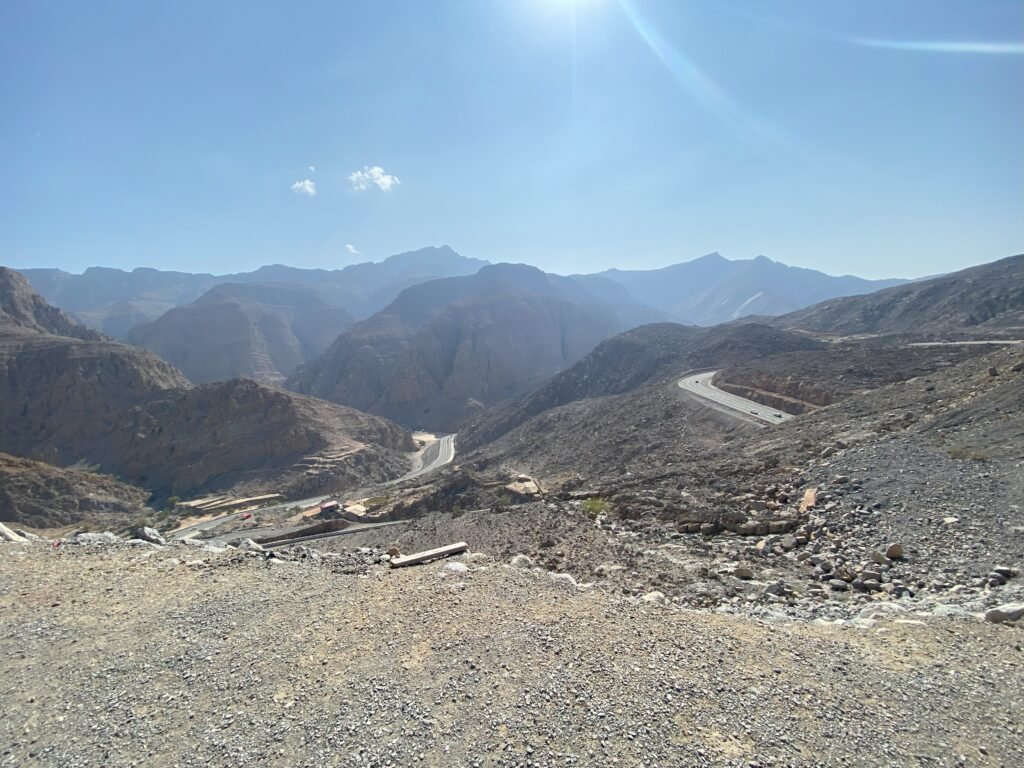
Imagine beginning the morning among rugged mountain peaks, spending the afternoon exploring a historic desert settlement and ending the day watching the sun disappear into the Arabian Gulf. In Ras Al Khaimah, this is not an ambitious travel fantasy. It is the advantage of a destination where extraordinary geographical diversity exists within relatively short travelling distances.
The northernmost emirate has steadily developed a reputation as one of the Middle East’s most exciting adventure and nature destinations. Yet its appeal extends well beyond adrenaline. Ancient settlements, traditional fishing communities, luxury desert resorts, archaeological landscapes and long stretches of coastline give Ras Al Khaimah a depth that deserves greater attention from international tour operators.
Jebel Jais: An experience above the ordinary
The natural headline act is Jebel Jais, the UAE’s highest mountain, rising to approximately 1,934 metres (6,345 feet) above sea level. Part of the dramatic Hajar Mountain range, it offers a striking contrast to the country’s familiar desert and urban landscapes.
The mountain’s most celebrated attraction is Jais Flight, officially recognised as the world’s longest zipline. Stretching approximately 2.83 kilometres, the experience takes participants across spectacular mountain scenery at speeds of up to 160 kilometres per hour. It is an unforgettable proposition for adventure travellers, although operators should always check age, weight, health and weather-related restrictions before confirming bookings.
Those who prefer a less extreme experience can explore the mountain through scenic drives, walking routes and other adventure attractions. Jais Sledder offers a different way to experience the slopes, while the Jais Sky Tour combines multiple zipline sections with mountain views.
The Bear Grylls Explorers Camp introduces guests to outdoor survival skills, including shelter-building and practical wilderness activities. It is particularly attractive for corporate incentive groups, adventure enthusiasts and families with older children, subject to the programme’s suitability requirements.
For the travel trade, Jebel Jais is not simply an excursion. It can form the centrepiece of a dedicated mountain holiday.
A landscape shaped by history
Ras Al Khaimah’s history stretches back approximately 7,000 years, and its archaeological significance is one of the destination’s less frequently promoted strengths. The historic trading settlement of Julfar was once a major commercial centre in the Arabian Gulf, particularly known for its pearl trade and maritime connections.
Dhayah Fort is among the emirate’s most remarkable historical landmarks. Set on a hill overlooking palm plantations and the surrounding mountains, it is the only surviving hilltop fort of its kind in the UAE. Archaeological evidence indicates settlement and fortification activity at the site during the Late Bronze Age, between approximately 1600 and 1300 BC. The present mud-brick fortress, however, dates to the nineteenth century and is associated with the region’s history of conflict and resistance.
The climb to the fort rewards visitors with sweeping views across the date-palm gardens and surrounding countryside. It is worth noting that the approach involves uneven steps and is unsuitable for some visitors with mobility limitations.
Another fascinating stop is Al Jazirah Al Hamra, a traditional pearling and fishing settlement that preserves the architecture of an older Gulf community. Its coral-stone buildings, mosques, courtyards and narrow lanes offer a rare glimpse of life before the rapid modernisation of the Emirates.
Desert luxury and encounters with nature
For travellers seeking tranquillity, Ras Al Khaimah’s desert landscape offers a compelling counterpoint to its mountain adventures. Al Wadi Nature Reserve, associated with The Ritz-Carlton Ras Al Khaimah, Al Wadi Desert, covers approximately 500 hectares of protected desert habitat. Guests can discover indigenous wildlife, including Arabian oryx and sand gazelles, and enjoy guided nature activities, falconry experiences and stargazing.
The emirate’s coastline provides another dimension. With approximately 68 kilometres of sandy beaches, Ras Al Khaimah has developed an attractive collection of beachfront resorts, wellness retreats and family-friendly hotels. This variety allows operators to combine active sightseeing with several days of relaxation.
A taste of the northern Emirates
Food is another reason to linger. Traditional Emirati cuisine features slow-cooked meat, seafood, rice and spices, with dishes such as machboos and harees providing a sense of regional identity. The emirate’s maritime heritage makes fresh fish and seafood particularly appealing. Grilled fish, prawns and locally inspired preparations are worth seeking out in coastal restaurants.
Dates, Arabic coffee and luqaimat complete the traditional culinary experience. Visitors should also explore the growing contemporary dining scene at the emirate’s resorts, where international menus sit alongside regional specialities.
The commercial opportunity
Ras Al Khaimah is best positioned as a two- or three-night destination, rather than a rushed day excursion from Dubai. A three-night itinerary could include Jebel Jais, Dhayah Fort, Al Jazirah Al Hamra, a desert resort experience and a relaxed coastal day.
It appeals to adventure travellers, luxury holidaymakers, couples, families, corporate incentive groups and travellers seeking outdoor experiences. Its relative proximity to Dubai makes it particularly convenient for combination itineraries.
Operators should consider seasonal temperatures, mountain weather, attraction operating schedules and transfer times when contracting activities.
The trade perspective: Ras Al Khaimah gives the UAE a powerful adventure narrative. It is a destination where the holiday can be built around the experience itself, with the mountains, desert and sea becoming the main reasons to travel.
3. FUJAIRAH
The Other Coast: Where the Mountains Meet the Sea
There is a particular pleasure in arriving in Fujairah after spending time among the busy highways, glittering towers and shopping districts of the UAE’s larger cities. The landscape begins to change, the mountains draw closer, and the coastline opens towards the Gulf of Oman. The pace feels different. The air seems to invite a slower holiday.
Fujairah is the UAE’s only emirate situated entirely along the Gulf of Oman, outside the Arabian Gulf coastline. This geographical distinction gives it a very different tourism identity. Its beaches, marine life, mountain scenery and historical settlements make it an appealing choice for travellers who want the UAE experience to extend beyond city breaks and luxury shopping.
Beneath the surface: A marine world waiting to be explored
For many international visitors, Fujairah’s greatest attraction lies beneath the water. The east coast has established itself as an important diving and snorkelling destination, with marine habitats that offer a refreshing contrast to the country’s desert landscapes.
Snoopy Island, near Al Aqah Beach, is among the best-known locations. Named for its resemblance to the cartoon character Snoopy lying on his back, the rocky island is surrounded by marine life and is popular with snorkellers and divers. Depending on sea conditions and the season, visitors may encounter colourful reef fish, turtles and other marine species.
Dibba Rock is another well-known dive site, appreciated for its reef formations and underwater biodiversity. Its protected marine environment makes it an attractive option for guided diving experiences. Beginners can explore introductory programmes with qualified instructors, while certified divers have opportunities to discover deeper underwater terrain.
For B2B partners, these experiences can be packaged with beachfront accommodation, equipment rental and boat excursions. However, operators should check local marine conditions, visibility, currents and activity restrictions before confirming excursions.
A heritage landscape with an extraordinary past
Fujairah is not only about the sea. It has a rich history, with archaeological evidence of human settlement and maritime trade across the region.
Al Bidyah Mosque is perhaps its most significant historical landmark. Recognised as the UAE’s oldest existing mosque, it has been dated to approximately 1599 CE through radiometric research. Its distinctive architectural form, featuring four small domes supported by an internal pillar, makes it especially interesting to visitors fascinated by traditional Islamic architecture.
Set against the Hajar Mountains, the mosque offers an evocative glimpse into the religious and architectural history of the region. Nearby archaeological sites and traditional settlements add depth to a cultural sightseeing programme.
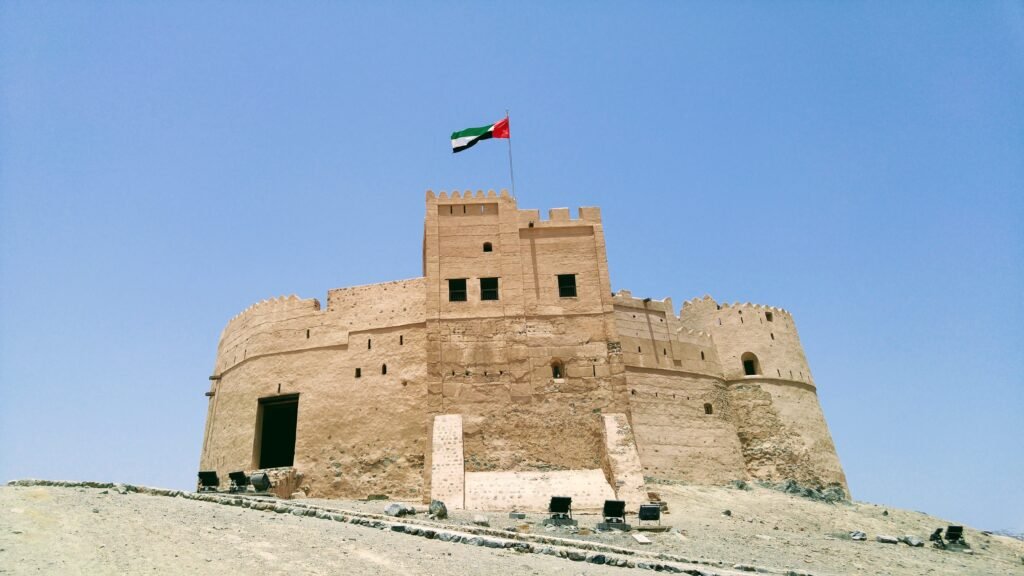
Fujairah Fort, overlooking the old town, is another essential stop. Built using local materials, the fort has witnessed centuries of regional history and offers a perspective on the emirate’s strategic importance along the eastern coastline.
The Fujairah Heritage Village provides further insight into traditional homes, farming practices, fishing equipment and everyday life before modern development transformed the Emirates.
Into the mountains
The Hajar Mountains provide a dramatic backdrop to Fujairah’s coastal settlements and offer opportunities for hiking, photography and scenic exploration. Wadis, rocky slopes and mountain roads create a landscape that feels very different from the more familiar desert scenery associated with the UAE.
The east coast also offers attractions around Khor Fakkan and Dibba, including beach activities, boat excursions and mountain viewpoints. Operators can build nature-oriented itineraries combining the coastline with heritage stops and carefully selected outdoor activities.
For active travellers, mountain adventure facilities and guided excursions provide additional options. Activity availability, equipment requirements and operating conditions should be checked directly with the relevant operators.
Food, fishing and the taste of the coast
A visit to Fujairah is incomplete without exploring its seafood culture. Fishing remains an important part of the east coast’s identity, and fresh fish, prawns, squid and other seafood feature prominently in local dining.
Visitors should look for grilled fish seasoned with regional spices, seafood machboos, rice preparations and traditional Emirati accompaniments. The emphasis is often on freshness and simplicity rather than elaborate presentation.
A meal overlooking the Gulf of Oman, with freshly prepared seafood and the sound of the waves nearby, can become one of the most memorable moments of an east-coast holiday.
Traditional Emirati dishes such as harees and luqaimat are also worth including, while Arabic coffee and dates provide a familiar expression of the region’s hospitality.
A different kind of luxury
Fujairah has developed a strong beachfront resort offering, particularly around Al Aqah, where properties enjoy dramatic views of the mountains and sea. These resorts make the emirate suitable for couples, families, wellness travellers and those seeking a quieter luxury escape.
Boutique nature retreats and small-scale accommodation concepts offer an alternative for clients who value privacy and a closer connection to the landscape. However, more unusual properties should be vetted carefully for accessibility, service levels, meal arrangements and facilities before inclusion in premium itineraries.
The commercial opportunity
Fujairah works particularly well as a two-night coastal retreat within a larger UAE itinerary. A combination with Sharjah or Dubai allows travellers to experience the country’s urban and cultural attractions before slowing down along the Gulf of Oman.
It is especially suited to honeymooners, diving enthusiasts, families, wellness travellers and repeat UAE visitors.
The trade perspective: Fujairah sells something that is increasingly valuable in modern travel: the opportunity to slow down. Package it around the sea, fresh food, mountain scenery and authentic coastal experiences, and it becomes much more than a beach extension.
4. AJMAN
Small in Size, Generous in Experience
Not every memorable holiday needs to be built around monumental attractions. Sometimes the most rewarding destinations are those that allow travellers to settle into a place, enjoy its rhythms and discover its character without feeling the pressure to see everything in a single day.
Ajman is one such destination.
The smallest of the seven UAE emirates by area, Ajman has an appealing coastal identity built around long beaches, traditional markets, a historic fort, mangrove ecosystems and a relaxed urban atmosphere. Its location between Sharjah and Umm Al Quwain also makes it a convenient base for travellers wishing to explore the northern part of the country.
A coastline made for slowing down
Ajman’s approximately 16-kilometre stretch of sandy beach is one of its strongest attractions. The shoreline is particularly attractive for families, couples and leisure travellers who want a relaxed seaside stay without the intensity of larger resort destinations.
The beach hotel offering includes internationally recognised hospitality brands, making Ajman an interesting proposition for operators looking for competitive accommodation options and a more intimate coastal environment.
Morning walks, water sports, sunset views and leisurely meals overlooking the Arabian Gulf define much of the visitor experience. For families, the combination of beach access and nearby urban facilities is especially convenient.
A fort that tells the story of an emirate
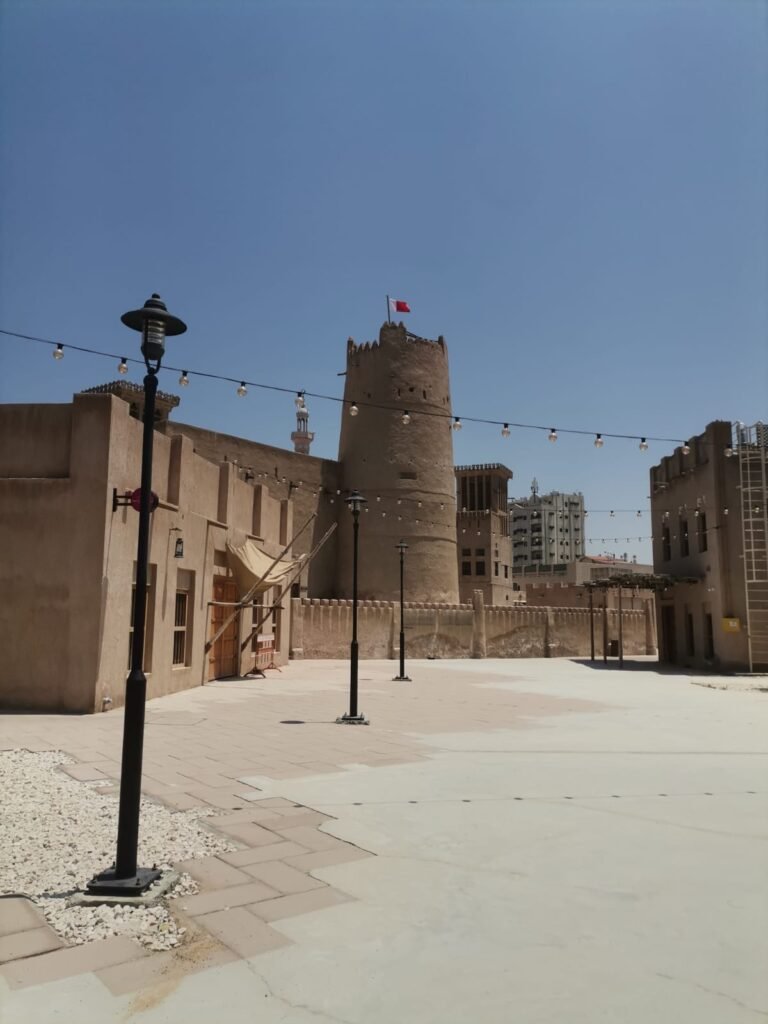
Ajman Museum is the natural starting point for understanding the emirate’s history. Housed in an eighteenth-century fort, the museum was once the seat of local government and offers a fascinating introduction to traditional life.
Its collections include archaeological objects, manuscripts, traditional clothing, weapons and displays illustrating fishing, pearl diving and domestic activities. The fort’s architecture, with its traditional construction materials and defensive features, provides a strong sense of the region’s past.
A visit is particularly rewarding when combined with a walk through the older commercial areas, where traditional shops and souks continue to provide a contrast to contemporary retail centres.
Where the sound of craftsmanship survives
One of Ajman’s most distinctive cultural experiences is its traditional dhow-building heritage. Wooden boats remain closely associated with the UAE’s maritime past, when fishing, pearl diving and regional trade depended on skilled boatbuilders.
The Ajman Dhow Yard is an important part of this tradition. Visitors who arrange an appropriate visit may be able to observe craftsmen working with timber, tools and traditional construction methods. It is a rare opportunity to connect the country’s modern prosperity with the maritime skills that helped shape its coastal communities.
For travel planners, this is an excellent inclusion in cultural itineraries, especially for educational groups, heritage enthusiasts and visitors interested in traditional craftsmanship.
Mangroves, flamingos and the greener side of Ajman
One of Ajman’s most appealing surprises is Al Zorah Nature Reserve. Its mangrove ecosystem offers a peaceful escape from the city, with tidal waterways and habitats supporting a variety of birdlife.
Kayaking through the mangroves is an especially attractive experience, allowing visitors to explore the waterways at a relaxed pace while observing the surrounding environment. Flamingos are among the birds that may be spotted, alongside other coastal and migratory species depending on the season.
Adjacent to the natural landscape, Al Zorah also offers a more sophisticated leisure proposition. The Al Zorah Golf Club provides an 18-hole golfing experience set within the wider natural environment, making the area appealing to golfers and luxury leisure travellers.
Masfout and Manama: The mountain side of Ajman
Ajman’s appeal extends well beyond its coastline. Its two inland exclaves, Masfout and Manama, introduce visitors to a different landscape.
Masfout lies in the Hajar Mountain foothills and is known for its cooler environment, agricultural character, mountain scenery and outdoor opportunities. Its historic fort and surrounding countryside make it an interesting excursion for travellers who want to experience a less familiar side of the emirate.
Manama, another inland exclave, has its own heritage attractions, including Hassa Buweid Castle. These areas can add geographical and cultural variety to a longer Ajman stay, although operators should plan transfers carefully rather than treating them as immediate city-centre excursions.
A flavour of Emirati hospitality
Ajman’s culinary experience reflects its coastal and traditional character. Fresh seafood is an obvious highlight, with grilled fish, prawns and regional rice dishes offering a taste of the Gulf.
Visitors should also try traditional Emirati preparations such as machboos, harees and thareed, a comforting dish made with bread, vegetables and meat. Luqaimat and date-based desserts are popular sweet treats, while Arabic coffee served with dates remains an essential part of local hospitality.
The emirate’s restaurants range from relaxed traditional eateries to international hotel dining venues. This diversity makes it relatively easy for tour operators to cater to different budgets and dietary preferences.
The commercial opportunity
Ajman can be sold as a two-night beach holiday, a value-conscious alternative to more expensive coastal destinations, or a convenient base for exploring Sharjah and the northern Emirates.
Its natural attractions also provide opportunities for soft adventure, birdwatching, golfing and wellness-oriented travel.
For Indian travel businesses, Ajman is particularly interesting for families, couples, small groups and repeat visitors who have already experienced Dubai’s major attractions. Its accommodation range allows operators to build packages around different spending levels.
The trade perspective: Ajman’s greatest asset is its ability to offer a relaxed coastal holiday with genuine cultural and natural experiences. It may be smaller on the map, but it is a destination with considerable potential for longer stays and well-priced multi-emirate packages.
5. UMM AL QUWAIN
The UAE’s Quietest Invitation to Discover Something Different

There is a particular pleasure in discovering a place before it becomes a familiar name on every travel itinerary. Umm Al Quwain offers that pleasure.
Less urbanised than some of its neighbouring emirates, this small northern destination has retained a distinctive character shaped by fishing, maritime traditions, mangroves, islands and a quieter pace of life. It is not a destination that competes with Dubai on spectacle. Instead, it invites visitors to appreciate the understated beauty of the Emirates.
For repeat visitors, nature lovers and travellers who prefer authentic encounters over packed sightseeing schedules, Umm Al Quwain deserves a place on the map.
A journey into the emirate’s past
The Umm Al Quwain National Museum is one of the best starting points. Housed in Al Ali Fort, a historic building that once served as the seat of local government, it offers a glimpse into the emirate’s traditional way of life.
Exhibits illustrate pearl diving, fishing, domestic life, traditional clothing and the crafts that supported coastal communities. The museum’s displays help visitors understand how closely the history of Umm Al Quwain was tied to the sea.
The experience is particularly valuable when placed in the wider context of the UAE’s pearl-diving heritage. Before the discovery and commercial development of oil transformed the region, pearl fishing and maritime trade were central to the economy and daily life of many coastal communities.
Siniya Island: An archaeological story beyond expectation
Perhaps the most fascinating experience in Umm Al Quwain lies offshore.
Siniya Island is an ecologically and archaeologically significant destination, with mangrove habitats, coastal landscapes and important historical discoveries. Its archaeological significance has been strengthened by the discovery of an early Christian monastery, identified as Al Sinniyah Monastery.
Radiocarbon analysis of pottery found at the site dates the monastery to between the late sixth and mid-eighth centuries AD. The remains include a church, baptismal font, kitchen, dining area, cistern and other rooms associated with the religious community.
The discovery provides remarkable evidence of early Christian life and regional trade connections in the Gulf. Pottery and glass recovered from the site point to commercial links extending as far as Iraq and India.
For history enthusiasts, this is an extraordinary dimension of the UAE’s past, demonstrating that the region’s cultural history extends far beyond the familiar narratives of modern development.
Access to the island and archaeological areas should be arranged through appropriate local authorities or authorised operators. It should not be treated as an unrestricted, independently accessible sightseeing stop.
Mangroves and the natural beauty of the coast
Umm Al Quwain’s natural environment is among its greatest assets. Mangrove forests, tidal channels and shallow coastal waters create habitats for birds, fish and other wildlife.
Mangrove Beach has become an attractive outdoor destination, particularly for visitors interested in kayaking and nature-based activities. Exploring the waterways by kayak offers a peaceful experience, with opportunities to observe coastal birds and the changing patterns of the tidal landscape.
Flamingos and herons may be spotted in suitable habitats, depending on season and conditions. Visitors should be encouraged to respect wildlife, avoid disturbing nesting areas and follow local environmental guidance.
The emirate’s coastline is also well suited to leisurely beach experiences, sunset photography and relaxed outdoor excursions.
The food of a fishing community
Umm Al Quwain’s relationship with the sea is reflected in its food culture. Fresh seafood is central to the culinary experience, and visitors should seek out traditional fish preparations, grilled seafood and rice dishes influenced by the wider Emirati and Gulf culinary tradition.
Machboos, prepared with fragrant rice, spices and fish or meat, is an excellent introduction to local flavours. Grilled fish served with rice, salads and regional sauces offers a simpler but equally satisfying meal.
Traditional Emirati hospitality also revolves around Arabic coffee, dates and sweet preparations such as luqaimat. These are not merely refreshments; they are part of a social tradition in which welcoming a guest is considered an important expression of generosity.
The dining scene is relatively understated compared with the larger Emirates, but this is part of its appeal. A relaxed meal after a kayaking excursion or a day exploring the coast can be a memorable part of the experience.
More than just a quiet escape
For families, Dreamland Aqua Park offers a different side of Umm Al Quwain, with water-based entertainment and leisure facilities. It can be included as a family-oriented activity, subject to seasonal opening arrangements and current operating schedules.
The emirate also offers opportunities for fishing excursions, beach activities, birdwatching and other nature-based experiences. These are particularly attractive for small groups and travellers looking for something less conventional.
Accommodation options range from established hotels to smaller leisure properties and nature-oriented stays. Operators should check facilities, accessibility, meal plans and service standards carefully when selecting accommodation for clients accustomed to full-service luxury resorts.
The commercial opportunity
Umm Al Quwain works particularly well as a full-day excursion from Ajman or Sharjah, or as a one- or two-night escape for travellers seeking peace and nature.
Its strongest target markets include repeat UAE visitors, families, birdwatchers, photographers, cultural explorers, small experiential groups and travellers interested in archaeology.
The destination can also be positioned within a wider northern Emirates itinerary, combining Ajman’s mangroves, Umm Al Quwain’s archaeological heritage and Ras Al Khaimah’s mountain experiences.
The trade perspective: Umm Al Quwain is a destination for travellers who have moved beyond the checklist. Sell it as an opportunity to discover the quieter, more intimate side of the UAE, where the story is not about how much can be seen in a day, but how much can be experienced.
THE CLOSING ARGUMENT
Five Emirates. Five Personalities. A Bigger UAE Story.
The UAE’s tourism story has always been about transformation. Yet its most compelling future may lie not only in building newer attractions, but also in helping travellers discover the extraordinary variety that already exists across the country.
Sharjah brings the cultural narrative alive through museums, heritage districts, art and architecture. Ras Al Khaimah delivers adventure through mountains, desert landscapes and coastal resorts. Fujairah offers a different relationship with the sea, combining diving, beaches and historic settlements. Ajman balances relaxed coastal living with mangroves and traditional craftsmanship. Umm Al Quwain rewards curiosity with archaeological discoveries, natural habitats and a quieter rhythm.
For the international travel trade, particularly India’s outbound market, the opportunity is substantial. These emirates can be introduced as standalone destinations, combined into multi-emirate holidays or added to established Dubai and Abu Dhabi itineraries to increase length of stay and broaden the holiday experience.
The commercial strategy should be simple: stop selling the Northern Emirates as an afterthought.
Sell Sharjah to the culturally curious. Take adventure seekers to Ras Al Khaimah. Send divers and couples to Fujairah. Position Ajman for relaxed coastal holidays. Introduce Umm Al Quwain to travellers who value discovery.
The next time a client asks what the UAE has to offer beyond Dubai, the answer should not be another shopping mall or another skyscraper.
It should be five different journeys, each with a story worth travelling for.
Because the UAE is not one holiday. It is seven emirates, countless experiences and a destination story that is still being discovered.