
Not Just Bangkok and Beaches: How Thailand Is Winning the Hearts of a New Generation of Indian Travellers
Thailand · DESTINATION FEATURE | STREET FOOD • FESTIVALS • WELLNESS • ISLAND LIFE
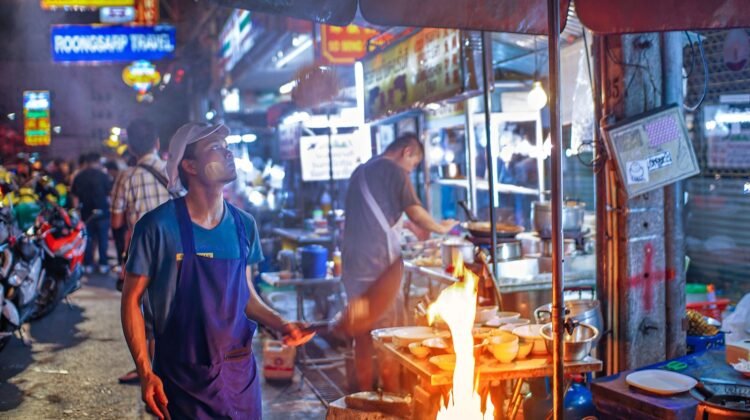
Featured photo: Street food vendor working at night in Bangkok, Thailand. Photo by Hendy Wicaksono / Pexels.
Thailand is one of those rare destinations that manages to feel familiar and exciting at the same time. For Indian travellers, it has long been associated with affordable holidays, shopping, beaches and nightlife. But beneath this familiar image is a country with an extraordinary cultural identity, a sophisticated food scene, centuries-old Buddhist traditions and a lifestyle that increasingly appeals to younger international travellers.
For Generation Z, Thailand is not simply about visiting Bangkok or spending a few days in Phuket. It is about discovering independent cafés, exploring night markets, learning traditional cooking, attending music festivals, experiencing island communities and finding places where work and leisure can coexist.
Its biggest advantage is versatility. A backpacker can explore the country on a modest budget, a digital nomad can establish a longer-term base in a suitable city, and a young couple can combine wellness, food and beach experiences within one holiday.
A cultural connection that feels surprisingly familiar
Thailand’s cultural identity has evolved through centuries of Buddhist traditions, indigenous beliefs, regional trade and international cultural exchange.
For Indian visitors, some of its strongest cultural connections are visible through religious architecture, mythology and traditional ceremonies. Hindu deities appear in Thai religious and cultural settings, while the Ramakien, Thailand’s national epic, reflects the country’s distinctive adaptation of the Ramayana tradition.
Buddhism also plays a major role in everyday life. Temples, merit-making ceremonies, respect for monks and religious festivals form an important part of Thai society.
But Thailand’s cultural appeal goes beyond religious monuments. Traditional massage, Muay Thai, silk weaving, classical dance, handicrafts and local food markets all offer opportunities for meaningful engagement.
Bangkok: The city that never stops surprising
Begin in Bangkok, where traditional neighbourhoods and contemporary urban culture coexist.
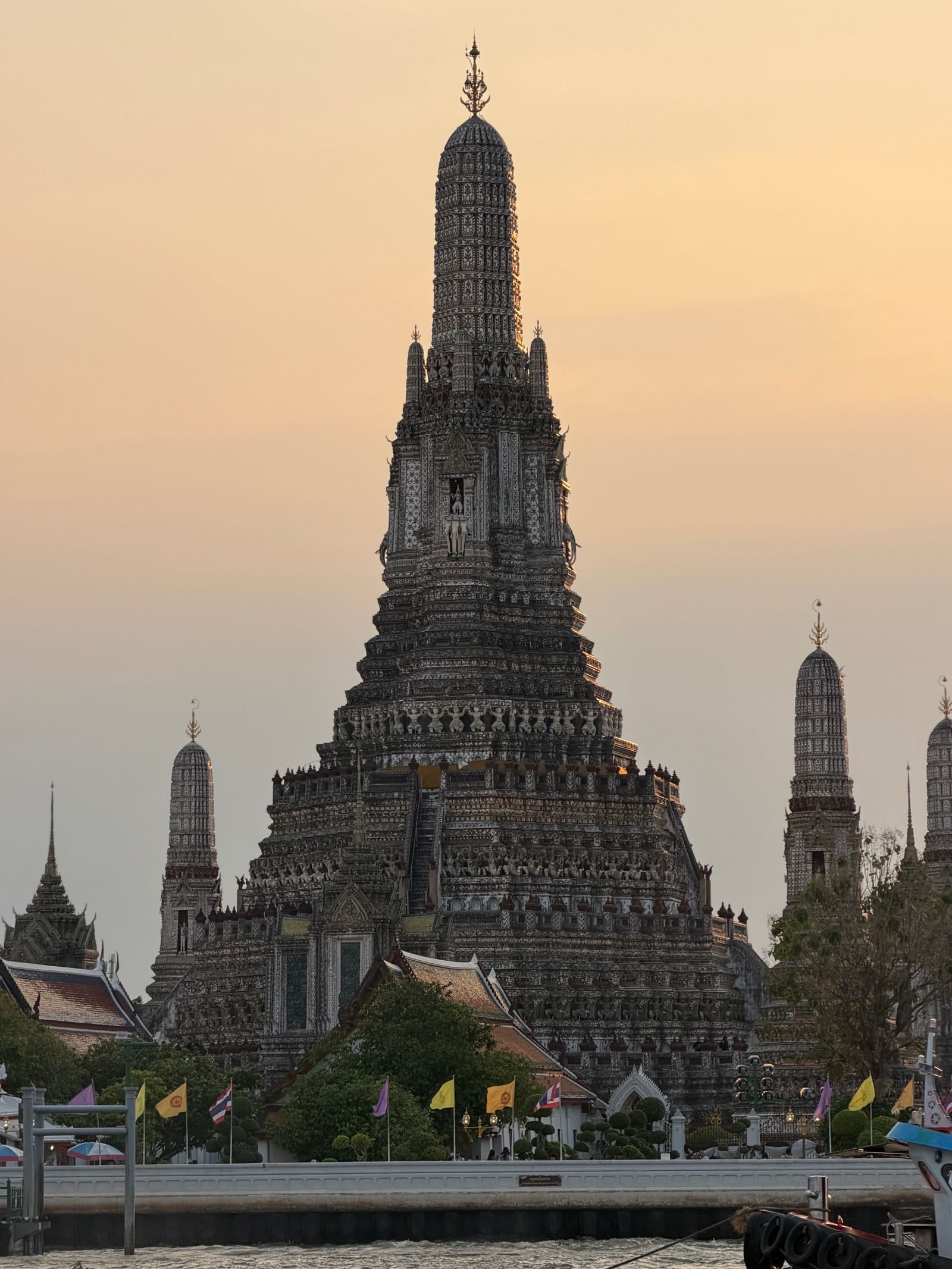
The Grand Palace, Wat Phra Kaew and Wat Pho provide an introduction to Thai royal and Buddhist heritage. Wat Arun, overlooking the Chao Phraya River, is particularly beautiful around sunset.
But young travellers should also explore the city’s food culture.
Pad Thai, tom yum, som tam and mango sticky rice are essential culinary experiences. Chinatown’s Yaowarat Road is particularly popular for street food, while local markets introduce visitors to grilled seafood, noodle preparations, tropical fruits and coconut-based desserts.
Bangkok’s contemporary café culture, creative neighbourhoods, independent galleries and nightlife also make it attractive to younger international visitors.
For a different experience, explore the city’s canals and traditional communities, where everyday life offers a contrast to its high-rise shopping districts.
Chiang Mai: Where culture, mountains and creativity meet
If Bangkok is Thailand’s energetic urban face, Chiang Mai offers a more relaxed cultural experience.
Its old city contains historic temples, traditional markets and handicraft workshops. Wat Phra That Doi Suthep, overlooking the city from a mountain, is one of northern Thailand’s most important religious landmarks.
Chiang Mai is also a favourite among independent travellers and remote-working professionals. Its café culture, creative communities, boutique accommodation and proximity to nature make longer stays attractive.
The local culinary speciality is khao soi, a rich coconut curry noodle soup topped with crispy noodles. Other northern Thai dishes offer a fascinating introduction to regional ingredients and culinary traditions.
Visitors can explore local craft communities, traditional cooking schools, mountain trails and responsible elephant conservation experiences. The emphasis should be on ethical wildlife encounters rather than activities that exploit animals for entertainment.
Thailand’s festivals: Culture on the streets
Few celebrations illustrate Thai culture as energetically as Songkran, the traditional Thai New Year, generally celebrated in April. Although internationally recognised for its enormous water festivities, Songkran also carries deeper cultural meanings associated with purification, respect for elders and new beginnings. Families visit temples, make offerings and gently pour water over Buddha images and the hands of elders.
For Indian visitors, these traditions may evoke familiar ideas of blessings, family gatherings and welcoming a new year.
Another spectacular celebration is Loy Krathong, when people float decorated offerings made from natural materials on rivers and lakes. It is associated with expressing gratitude and seeking forgiveness from the water. Chiang Mai’s Yi Peng celebrations, featuring traditional lantern-related festivities, are another attraction.
Travellers should check local rules and organised-event arrangements before participating in lantern activities, particularly because of fire and environmental restrictions.
Phuket, Krabi and the island lifestyle
Southern Thailand brings a completely different personality to the journey.
Phuket is the country’s most established international beach destination, with a combination of resort accommodation, restaurants, nightlife and water sports.
Krabi, particularly Railay Beach, offers spectacular limestone scenery and opportunities for kayaking, climbing and island excursions.
Koh Samui is attractive for couples and travellers seeking a more resort-oriented escape, while Koh Tao has developed a strong identity around diving and snorkelling.
For backpackers, the smartest approach is to select one island region rather than attempting to cover every beach destination in a short holiday.
A food trail worth travelling for
Thailand’s cuisine is built around the balance of sweet, sour, salty, bitter and spicy flavours.
A proper food trail should include street-food markets, neighbourhood restaurants, regional cooking workshops and local produce markets.
Try northern Thai khao soi, central Thai pad Thai, southern seafood curries and the famous mango sticky rice dessert. Young travellers can also explore Thai fruit markets, traditional desserts and local coffee culture. Vegetarians should communicate dietary preferences clearly because fish sauce, shrimp paste and animal-based stocks are widely used in Thai cooking.
What does the journey cost?
| Traveller segment | Indicative six-day budget |
|---|---|
| Backpacker | ₹35,000–₹50,000 |
| Couple | ₹85,000–₹1.25 lakh |
| Family of four | ₹1.40–₹2.00 lakh |
These are the supplied 2026 planning estimates, including return flights from India.
The opportunity for India’s travel trade
Thailand remains one of the strongest opportunities for Indian outbound travel, but the next growth phase should focus on specialised experiences rather than repetitive sightseeing packages.
There is scope for culinary trails, wellness holidays, Muay Thai experiences, island-hopping programmes, music and festival departures, boutique retreats and longer-stay products.
TheTravigator’s verdict: Thailand’s greatest strength is its ability to reinvent itself for every generation. For young Indians, it is an accessible introduction to international independent travel. For the trade, the opportunity is to sell a more sophisticated Thailand, where food, festivals, culture and lifestyle take centre stage.
Beyond the Beaches: About this series
Reimagining Southeast Asia for Generation Z, backpackers, slow travellers and the new generation of location-independent professionals.
Southeast Asia is no longer simply an affordable international holiday option for Indian travellers. It is becoming a region of discovery for a generation that wants to experience destinations rather than merely visit them. Young Indians are increasingly interested in street-food trails, cultural neighbourhoods, music and festivals, traditional crafts, nature-based adventures and accommodation that allows them to stay longer without exhausting their budgets.
For Generation Z and travellers under 30, the appeal lies in authenticity, affordability and experiences worth sharing. Backpackers want freedom to explore. Slow travellers want time to understand local communities. Remote-working executives want reliable connectivity, interesting surroundings and a lifestyle that combines professional commitments with cultural exploration.
Interestingly, Southeast Asia has several cultural connections with India. Hinduism, Buddhism, ancient maritime trade, migration, spices, traditional healing systems and centuries of cultural exchange have shaped the region. Yet every country has interpreted these influences differently, creating distinctive identities, cuisines, festivals and traditions.
For India's outbound travel industry, this presents an opportunity to move beyond conventional sightseeing packages and develop experience-led itineraries for a younger, more independent and increasingly discerning traveller.
The following seven destination features explore not just where to go, but how to experience each country through its food, traditions, festivals, cultural connections and emerging travel lifestyles.
Related posts:
 The Art of Getting Lost: Where Street-Food Adventures, Ancient Traditions and Digital Nomad Dreams Come Together
 THAILAND: THE CLASSIC SOUTHEAST ASIAN HOLIDAY THAT NEVER STOPS REINVENTING ITSELF
 CAMBODIA: THE KINGDOM WHERE ANCIENT CIVILISATIONS MEET MODERN TRAVEL
 PHILIPPINES: AN ARCHIPELAGO OF ISLANDS, CULTURES AND CULINARY SURPRISES