Hospitality’s New Playbook: Decentralisation and Mixed-Use Assets
Hospitality investors are tearing up the traditional capital-city playbook, shifting focus toward distributed demand and secondary markets. In India, Tourism Secretary Bhuvnesh Kumar revealed a strategic push to spread 429 crore domestic tourist visits geographically into Tier-2 and Tier-3 markets. This geographic dispersion creates an immediate need for travel agents to develop bookable, digitized local experiences.
Investment capital is following this decentralisation trend. Juniper Hotels is acquiring the 287-room Novotel Imagicaa in Khopoli for ₹248 crore. Positioned along the Mumbai–Pune corridor, this deal highlights the growing profitability of blending family leisure with corporate MICE demand.
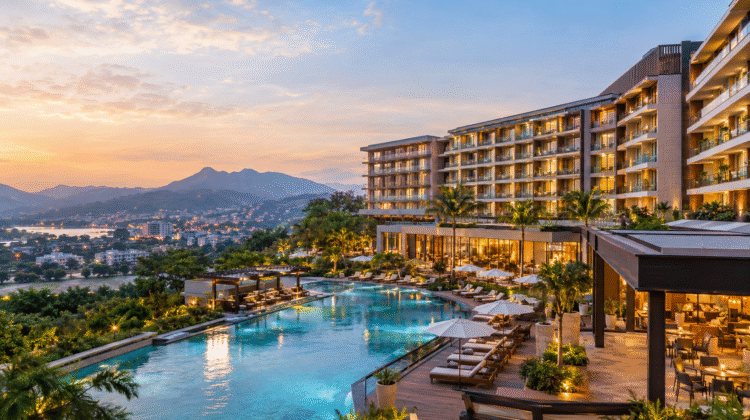
Across the wider APAC region, international brands are leaning heavily into mixed-use and long-term partnerships rather than standalone resorts. Minor Hotels is making its debut in Vietnam’s capital with the 310-key Avani+ Hanoi, integrated into a massive residential development. Concurrently, Thailand’s Asset World Corporation and Meliá Hotels International have locked in a strategic partnership through 2036, aiming to manage a robust portfolio of over 3,000 keys across Thai destinations.
This report is part of TheTravigator’s continuing news coverage of the travel, tourism, aviation, and hospitality sectors. Our editorial team publishes industry news, market insights, partnerships, policy developments, and business updates relevant to the travel trade community. For press releases, partnership opportunities, advertising enquiries, or editorial collaborations, please contact our editorial desk at:
INFO@THETRAVIGATOR.COM