
Gujarat Beyond the White Rann: A Journey Through Wild Landscapes
Gujarat is often introduced through its white salt desert, historic temples and bustling cities. But beyond these familiar images lies a landscape of forests, wetlands, coastlines and hills—each offering a different way to experience the state.
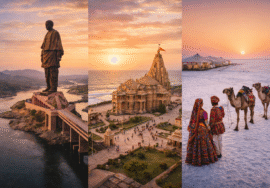
The journey can begin at the Rann of Kutch, where the salt flats stretch towards the horizon. Under the moonlight, the landscape takes on an almost surreal appearance. Between November and February, the Rann Utsav adds colour to the desert through folk performances, handicrafts, camel-cart rides and cultural celebrations.
From the silence of the desert, the journey moves towards the wetlands of Gujarat. Nal Sarovar Bird Sanctuary, near Ahmedabad, attracts thousands of migratory birds during winter. Early morning boat rides offer a peaceful way to observe the wetland, while Thol Lake provides another tranquil setting for birdwatching, nature walks and quiet picnics.
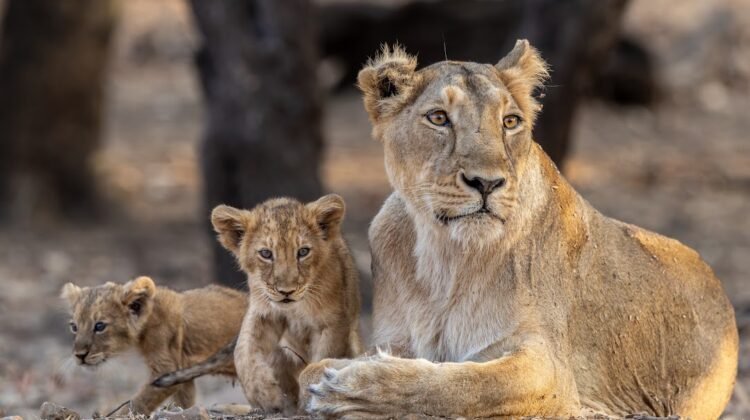
Further south, Gir National Park presents a completely different experience. Its dry deciduous forests are the only natural habitat of Asiatic lions. Guided forest trails and safaris allow visitors to explore the park while looking for lions, birds and other wildlife.
Velavadar Blackbuck National Park adds another important chapter to Gujarat’s wildlife story. Spread across 34 square kilometres, the park is home to more than 1,800 blackbucks, along with blue bulls, wolves and over 120 bird species. Wintering harriers from Siberia also make the region a notable destination for birdwatchers.
The state’s relationship with nature extends to the sea. Marine National Park in Devbhumi Dwarka is India’s first marine park and protects coral reefs, mangroves and rare aquatic species. Boat safaris to coral islands, tide-pool exploration and marine-life spotting offer an unusual coastal experience.
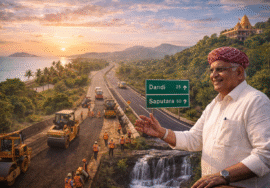
In the Dang region, Purna Wildlife Sanctuary provides dense forests, tribal settlements and quiet spaces for nature camping and jungle treks. Nearby Saputara, Gujarat’s hill station, offers a cooler landscape of lakes, waterfalls, viewpoints and forested paths. Wilson Hills provides another peaceful hill retreat with misty views, valleys and scenic drives.
For travellers seeking adventure, Pavagadh Hills offers seasonal paragliding, while Shoolpaneshwar Wildlife Sanctuary combines rugged jungle trails with eco-tourism campsites. At Zar village, visitors can glide through forest canopies on a zipline, while Bakor Eco Campsite introduces rock climbing, rappelling and forest camping.
Gujarat’s natural attractions are not defined by one landscape. They move from salt flats to wetlands, forests, hills and coral islands. Together, they create a destination where wildlife, soft adventure and quiet exploration can become part of the same journey.
This report is part of TheTravigator’s continuing news coverage of the travel, tourism, aviation, and hospitality sectors. Our editorial team publishes industry news, market insights, partnerships, policy developments, and business updates relevant to the travel trade community. For press releases, partnership opportunities, advertising enquiries, or editorial collaborations, please contact our editorial desk at:
INFO@THETRAVIGATOR.COM