Destination Dynamics and Evolving Traveler Preferences in LGBTQ+ Tourism
Destination Dynamics and Evolving Traveler Preferences in LGBTQ+ Tourism
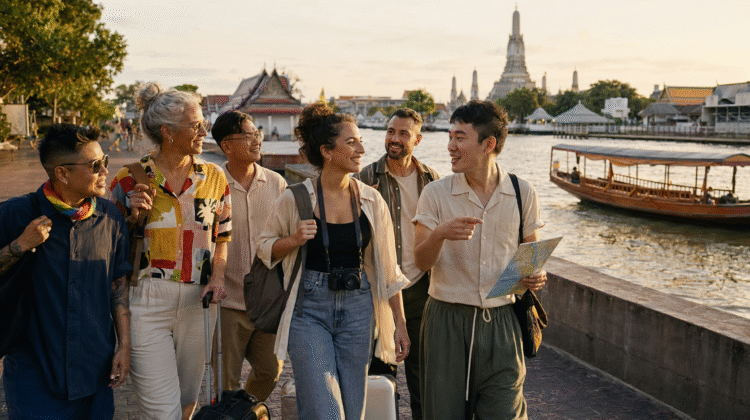
From chosen-family journeys and small-group expeditions to authentic cultural immersion, LGBTQ+ travellers are reshaping how destinations are selected, experienced, and trusted.
Beyond the Gayborhood—How LGBTQ+ Travel is Redefining Destination Choice
The modern LGBTQ+ traveller is no longer content with the traditional “gayborhood.” Far-flung expeditions, chosen-family group trips, and authentic cultural encounters are replacing the predictable circuit of gay bars and Pride parties. This evolution reflects both a maturing market and a community that increasingly demands to experience the world on its own terms—safely, authentically, and without apology.
The Group Travel Boom
For the LGBTQ+ community, group travel is more than a logistical convenience—it’s a form of collective security and connection. The market is expanding at a projected 7.8% year-on-year from 2025 to 2032, with a particular surge in group itineraries.
Industry experts with decades of experience are witnessing a clear trend: travellers wanting to travel together in a group and go to places they normally would not feel safe going to. Groups range from 20 to 200 travellers, with about 30% repeat customers, driven largely by word-of-mouth referrals within the community.
The appeal is multi-layered. As one tour operator explains, travellers on group trips never feel alone, never eat alone, never tour alone, and are embraced by their fellow travellers. This is especially important for a community that was originally created for safety.
Other operators confirm the trend, noting that guests choose specialized companies because they know these operators emphasize bringing groups together like a family, with travellers almost guaranteed to fly home with a few more friends than they had prior to the trip.
For LGBTQ+ travellers, group travel can create belonging, shared confidence, and the freedom to explore places that might otherwise feel inaccessible.
Chosen Families and Multi-Generational Travel
Industry leaders identify a significant surge in both “chosen-family travel” (groups of friends who view each other as family) and “new-family travel” (couples travelling for the first time with children).
Experts are seeing growth in travellers deciding to travel with their chosen family, both with small groups and large groups of friends who treat each other as family despite having no biological relationship.
Friends as Family
Small and large groups travelling with deep emotional bonds.Couples with Children
First-time family travel with new logistical and safety needs.Japan Group
A chosen-family itinerary with varied wants, tastes, and interests.Travel Purpose
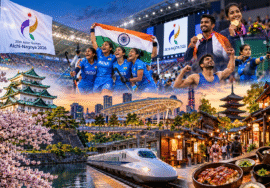
Connection matters more than simply creating social media content.A recent chosen-family trip to Japan with about 11 travellers highlighted the logistical complexities of catering to a variety of wants, tastes, and likes. The trip was about travellers being able to go and celebrate queer culture in a different destination while doing things they all have a passion for.
The pandemic has been a catalyst for this trend. It channeled people’s desire to travel and to travel more deeply, creating a desire to travel and connect more deeply. The intentional purpose of the trip is far more important than just going for social media content.
Beyond the “Gayborhood”: The Shift to Authentic Experiences
Seasoned travel advisors have noticed a fundamental shift in client preferences. For years, LGBTQ+ travellers sought out destinations particularly welcoming to the community—gay cruises, specific neighbourhoods, or gay-friendly all-inclusive resorts.
Now, that’s changing. Travellers want to go to places to experience things the way everyone else would, but they want to be safe, and they want to make sure safety is not going to be a concern on their trip.
Advisors who travel this way with their partners explain: “We want to feel safe, but we also want to meet a place on its own terms. The food, the culture, the history, time with people who actually live there.”
This trend toward “off-pride” travel to traditionally gay destinations is significant. Community and connection still matter, but that’s no longer the driving motivation for most travellers.
The Resilience Factor
The LGBTQ+ community’s resilience is noteworthy. When popular destinations experienced cartel-related violence, most tourists were deterred—but not gay travellers. Instead of being turned off from visiting, the community’s response was, “How quickly can we get back to going here?”
Industry observers attribute this to a deep-seated refusal to live inauthentically, stemming from decades of living closeted: “We had to live a certain way for so long, and now we are going to live the way that we want to.”
The Asian Opportunity
Destinations throughout Asia are becoming increasingly attractive hubs for the LGBTQ+ community. While progressive cities like Bangkok have long lured visitors with dynamic nightlife and Pride celebrations, the trend is broadening.
Asia has always been a top-selling region, with tours taking place in Thailand for over a decade. But the demand is now for immersive cultural experiences—tours to Cambodia and Laos’ Buddhist sites, cruises along the Mekong, and visits to Japan’s cherry blossoms.
Industry experts are also seeing a huge demand for small-ship cruises in Asia.
Transgender and Non-Binary Travel: The Documentation Challenge
For transgender and non-binary travellers, the logistics are more complex. Group travel poses challenges especially with nonbinary or transgender travellers, where elements like passport gender markers come into play.
Travel professionals are working with couples who are both trans and want to travel with their children. There is a real nuance in how one works with travellers that are queer, trans, or nonbinary, especially when children are involved. Given the state of the world, there’s a lot of legality that needs to be considered in these situations.
Key planning concerns
One itinerary does not fit every traveller
Legal documents, identity, family structure, and destination rules require individual planning.
The Specialist Travel Agent Advantage
For these complex itineraries, the travel agent’s role is crucial. 40% of LGBTQ+ travellers use a travel agent, with the main reasons being financial protection (73%), having someone to call if something goes wrong (55%), and being able to talk through holiday plans rather than booking online (39%). 37% said they “felt safer” because the agent could advise them on LGBTQ+ laws in potential destinations.
Why LGBTQ+ Travellers Use Travel Agents
For the 60% who don’t use agents, the barriers include a perception that agents may not be “knowledgeable enough” to book travel for an LGBTQ+ traveller (23% cited this as a problem). The key to converting these travellers is price-matching, promoting LGBTQ+-friendly destinations, and using inclusive imagery in marketing.
Destination Selection: Safety First
90% of LGBTQ+ travellers say a country’s attitude to LGBTQ+ visitors affects their ultimate choice of destination. 61% always check a destination’s LGBTQ+ legislation before booking, while another 35% do this “sometimes.”
Safety Shapes Destination Choice
Popular “bucket list” destinations include Japan, New Zealand, Australia, Thailand, and the Maldives. However, many travellers would like to visit destinations in the Middle East, the Caribbean, and Africa but are wary of anti-LGBTQ+ laws. 58% of respondents expressed interest in small group tours to destinations with “more challenging” laws, as a safer alternative to independent travel.
The Indian Context: A Unique Challenge
A study on travel constraints for stigmatised LGBTQ+ Indians reveals the unique challenges faced by this community. Seventeen qualitative interviews with LGBTQ+ Indians who had an interest in travel found that one’s lived experience in India, combined with previous travel experiences, informed unique notions of social, structural and internalised stigma.
Three Layers of Travel Constraint
Intrapersonal constraints included the need for heightened vigilance, self-blame, and compulsion to fit in. Interpersonal constraints comprised concerns for safety, bringing dishonour to the travel group, and restrictions or exclusions from accessing services. Structural constraints included gender identification documents and cost.
While homosexuality was decriminalised in India in 2018, the community remains socially stigmatised, as demonstrated by higher legal rights but low public opinion scores. Collectivism within Indian culture creates and reinforces a need to comply with social norms and notions of honour, prioritising the interests of society over oneself.
The Values-Driven Future
Industry toolkits identify three core “Power Values” that uniquely motivate LGBTQ+ travellers—Harmony, Health & Well-Being, and Balance. Destinations that align with these values see measurable increases in loyalty, trust, engagement and visitor spending.
The Three Power Values
Inclusivity is no longer optional for destinations seeking to compete. Research from over 1,800 LGBTQ+ travellers across key international inbound markets demonstrates that destinations aligning with these values see measurable increases in loyalty, trust, engagement and visitor spending.
Authentic Inclusion Will Shape Destination Competitiveness
For the B2B travel fraternity, this is a clear signal: invest in genuine inclusion, or risk losing a generation of travellers who vote with their wallets.