Morocco: A Journey Through Timeless Medinas
Morocco: A Journey Through Timeless Medinas, Desert Dreams and Living Traditions
Morocco through colour, craft and memory
The first thing that struck me about Morocco was its colour. Not the bright, predictable colours of a tourist postcard, but layers of terracotta walls glowing under the afternoon sun, cobalt-blue doors tucked into winding alleys, emerald-tiled mosques, saffron spices piled high in bustling souks and the deep orange dunes of the Sahara stretching endlessly into the horizon. Every city felt like a chapter from a different story, yet together they formed one unforgettable journey.
For Indian travellers, Morocco is an invitation to experience North Africa through all five senses. It is a country where centuries-old traditions continue to flourish alongside stylish riads, luxury resorts and modern transport, making it one of the continent's most rewarding destinations for couples, families, photographers and cultural explorers alike.
Marrakech: The heartbeat of Moroccan tourism
My Moroccan adventure began in Marrakech, the country's vibrant tourism capital. The heartbeat of the city is Jemaa el-Fnaa, a UNESCO-recognised square that transforms with the setting sun. By day, snake charmers, storytellers and orange juice vendors draw curious crowds. By evening, the square comes alive with food stalls serving fragrant tagines, grilled meats and freshly baked bread while musicians and performers entertain locals and visitors alike. Wandering through the adjoining souks felt like entering an open-air museum where generations of artisans continue to handcraft leather bags, colourful ceramics, intricate lanterns, woven carpets and traditional babouche slippers. Watching a craftsman patiently carve cedar wood by hand reminded me that Morocco's greatest treasures are often created not in factories, but in family workshops.
Just beyond the city, the elegant Majorelle Garden, once restored by fashion designer Yves Saint Laurent, offers a tranquil retreat of exotic plants and striking cobalt-blue architecture. Nearby, the fashionable district of Gueliz showcases Morocco's contemporary side with chic cafés, art galleries and designer boutiques, proving that the country balances heritage with modern sophistication.
Fes, Casablanca and Rabat: Three different faces of heritage
Travelling north to Fes felt like stepping back nearly a thousand years. The ancient medina is one of the world's largest car-free urban settlements, where donkeys still carry goods through narrow lanes too small for vehicles. Here, I met a family that has worked in the famous leather tanneries for generations. From a rooftop overlooking the centuries-old dye pits, they explained how natural dyes made from saffron, indigo and poppies continue to colour leather using traditional techniques. Walking through Fes is not simply sightseeing—it is witnessing living history.
Further west lies Casablanca, Morocco's commercial powerhouse. Although modern in character, the magnificent Hassan II Mosque, dramatically perched above the Atlantic Ocean, remains one of the country's defining landmarks. Its intricate marble floors, hand-carved cedar ceilings and towering minaret showcase Moroccan craftsmanship at its finest. Along the Corniche, lively cafés and seafood restaurants reveal another side of Morocco—one that embraces cosmopolitan living without losing its cultural roots.
The political capital, Rabat, often surprises visitors with its relaxed atmosphere. The historic Kasbah of the Udayas overlooks the Atlantic, while tree-lined boulevards, museums and public gardens make it one of Morocco's most pleasant cities to explore. Unlike the bustling energy of Marrakech, Rabat offers a quieter glimpse into everyday Moroccan life.
Marrakech
A high-energy gateway for souks, gardens, riads and premium cultural touring.
Fes
A living heritage city where craft traditions and medina life remain central.
Casablanca
A commercial hub with Atlantic scenery and landmark Moroccan craftsmanship.
Chefchaouen and the Sahara: Morocco’s emotional high points
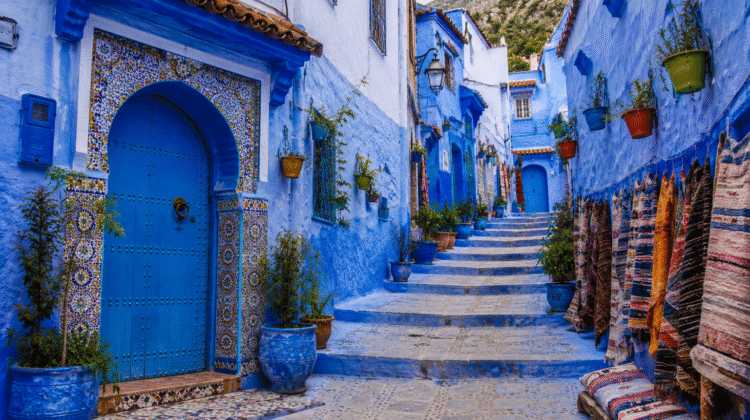
One of Morocco's most photographed destinations is Chefchaouen, the enchanting Blue City nestled in the Rif Mountains. Walking through its maze of blue-painted streets early in the morning, before the day-trippers arrived, felt almost surreal. Local women sold handmade wool blankets, woven baskets and goat cheese in peaceful little squares, while children played football against blue walls that have become famous across social media. Beyond its beauty, Chefchaouen offers an authentic mountain culture that remains deeply rooted in Amazigh (Berber) traditions.
No Moroccan journey is complete without venturing into the Sahara Desert. Near Merzouga, endless golden dunes create one of the country's most unforgettable landscapes. Riding a camel across the Erg Chebbi dunes at sunset before spending the night in a luxury desert camp under brilliant star-filled skies is an experience that stays with travellers long after they return home. Around a campfire, Amazigh musicians played traditional drums while sharing stories of desert life passed down through generations. It was one of those rare evenings where silence became just as memorable as conversation.
Emerging destinations for repeat and premium travellers
Morocco's tourism story continues to evolve with several emerging destinations gaining international attention. Essaouira, a charming Atlantic port town, has become a favourite among artists, surfers and seafood lovers. Its relaxed pace, fortified medina and thriving music scene provide a refreshing contrast to Morocco's larger cities. Along the northern coast, Tangier has transformed into a vibrant cultural hub where Europe and Africa seem to meet across the Strait of Gibraltar. Stylish cafés, restored historic districts and improved cruise infrastructure have made the city increasingly popular among international visitors.
Nature enthusiasts are also discovering the breathtaking Atlas Mountains, where villages cling to dramatic hillsides and hiking trails pass walnut groves, waterfalls and traditional Amazigh communities. Home stays in mountain villages offer meaningful cultural exchanges and a chance to experience Moroccan hospitality far from the tourist crowds.
B2B Route Opportunity
Morocco allows operators to design compact yet layered itineraries that combine cities, mountains, desert stays and Atlantic coast experiences without losing the destination’s premium cultural identity.
Cuisine, hospitality and everyday culture
Moroccan cuisine is as diverse as its landscapes. Slow-cooked lamb and chicken tagines infused with preserved lemons, olives and fragrant spices quickly became my favourite meals. Couscous, traditionally served on Fridays, reflects the importance of family gatherings, while sweet mint tea—often called the country's symbol of hospitality—is offered to guests almost everywhere. In small neighbourhood bakeries, warm khobz bread emerges fresh from communal ovens throughout the day, while local pastry shops tempt visitors with honey-soaked delicacies and almond-filled treats.
Perhaps the greatest strength of Morocco lies in its people. Whether bargaining playfully in a souk, accepting an invitation for mint tea, learning about carpet weaving from Amazigh women or chatting with fishermen unloading their morning catch in Essaouira, every interaction revealed a culture built on warmth, generosity and pride in tradition.
Planning Morocco for Indian travellers
For Indian travellers, Morocco is particularly appealing because it combines exotic experiences with reliable tourism infrastructure. Boutique riads, luxury desert camps, international hotel brands, domestic flights and an extensive road network make travel comfortable while preserving the country's authentic character. The best time to visit is during spring (March to May) and autumn (September to November), when temperatures are ideal for city exploration and desert excursions.
As with any international destination, travellers should review the latest official travel advisories before departure, use licensed guides and registered transport providers, remain aware of local customs and carry comprehensive travel insurance. Respectful clothing in religious and rural areas, staying informed about local conditions and booking reputable operators contribute to a safe and enjoyable journey.
Morocco’s lasting USP
Morocco's greatest USP is that it offers extraordinary diversity within relatively short travel distances. In a single itinerary, travellers can lose themselves in medieval medinas, wander through blue mountain villages, cross snow-capped peaks, sleep beneath Saharan stars and stroll along Atlantic beaches. It is a country where every doorway leads to another story, every market introduces another craft and every shared cup of mint tea becomes a memory. Morocco is not merely a destination—it is an experience that lingers long after the journey ends.
B2B Industry Take
Morocco is ideal for design-led itineraries, honeymoon travel and premium FIT demand from India. Strong demand exists for Marrakech, Sahara Desert stays and boutique riad experiences. Operators can position Morocco as a culture-plus-comfort destination, with excellent opportunities for luxury touring, culinary holidays and Europe combination itineraries through Spain or Portugal.