The Great Game: Dubai and Indonesia Make Their Moves for the Indian Traveller
The Great Game: Dubai and Indonesia Make Their Moves for the Indian Traveller
Two tourism powerhouses, two distinct market strategies, one increasingly sophisticated Indian outbound traveller.
It is not often that the corridors of India’s premier travel trade hubs witness a confluence of ambition quite like this. In a strategic pincer movement, two major tourism powerhouses are zeroing in on the Indian market with renewed vigour. As we navigate the final quarter of 2026, the industry stands at the cusp of a pivotal shift. The Dubai Destination India Roadshow and the Jakarta Sales Mission are not mere calendar events; they are a declaration of intent, signalling a new era of competition and collaboration for the Indian outbound traveller’s wallet.
Dubai’s Assertive Return: Business as Unusual
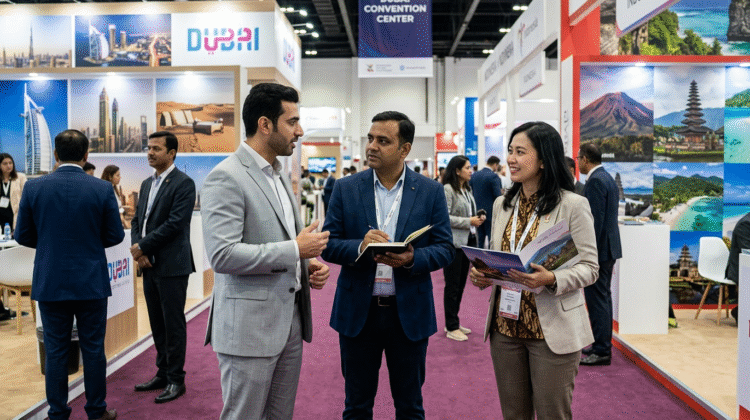
Let’s begin with the anticipated return of Dubai’s roadshow. This isn’t just another networking event; it is a showcase of resilience and a reaffirmation of the deep-rooted bond between the emirate and India. The Dubai Department of Economy and Tourism (DET) is bringing a powerhouse delegation of 30 stakeholders to Mumbai, Delhi, and Bengaluru starting August 31 .
For travel advisors and tour operators, this roadshow is expected to be a masterclass in destination reinvention. While the glitz of luxury and the family-friendly charm of its theme parks remain central, the conversation will pivot sharply towards MICE, experiential tourism, and the sheer ease of doing business with Dubai. With India remaining a “key source market” and the UAE having signed the Comprehensive Economic Partnership Agreement (CEPA) with India, the roadshow is poised to strengthen B2B relationships, unlocking fresh opportunities for trade partners .
Indonesia’s Nuanced Pitch: Beyond Bali
Simultaneously, Indonesia is making a calculated play that goes beyond the tried-and-tested appeal of Bali. The Ministry of Tourism’s Sales Mission, having already concluded its 2026 leg in Ahmedabad and Hyderabad, has laid down a marker for the future . The decision to target these specific cities over Mumbai or Delhi is a fascinating strategic shift.
It indicates a recognition that “Tier 2” cities like Ahmedabad and Hyderabad are burgeoning hubs of affluence and outbound travel intent . The Indonesian delegation, comprising 20 sellers including DMCs and hoteliers, was not just selling beaches. They were aggressively pitching high-value segments: wedding tourism, luxury leisure, and experiential travel .
Ahmedabad + Hyderabad
A targeted approach to emerging affluent outbound markets rather than relying only on India’s traditional metro gateways.
Beyond Bali
Labuan Bajo, Yogyakarta and Bintan broaden Indonesia’s proposition beyond its best-known destination.
The numbers speak for themselves. With India targeting over 820,000 tourist arrivals to Indonesia in 2026, this mission is projected to generate potential transactions worth approximately US$1.25 million . They are also smartly diversifying the destination narrative, pushing beyond Bali to include Labuan Bajo, Yogyakarta, and Bintan.
A Tale of Two Strategies
| Feature | Dubai Destination India Roadshow | Indonesia Jakarta Sales Mission |
|---|---|---|
| Primary Focus | Reaffirming brand leadership; showcasing resilience and ease of access. | Expanding footprint; targeting new demographics and high-value segments. |
| Key Cities | Mumbai, Delhi, Bengaluru | Ahmedabad, Hyderabad |
| Core Offering | Luxury, Family, Shopping, MICE, and the “second home” advantage. | Wedding Tourism, Luxury Leisure, Wellness, and “Beyond Bali” experiences. |
| Target Audience | Broad spectrum of travel trade; high volume and high value. | Upper-middle and premium consumers seeking unique experiences. |
| Context | Deep cultural familiarity and robust economic ties; leveraging infrastructure. | Growing middle class; diversification strategy to spread tourism benefits. |
For the Indian travel trade, this simultaneous focus presents a golden opportunity. For decades, the relationship has been dominated by a few key corridors. Now, the ecosystem is maturing. Buyers are no longer just looking for a generic package; they are seeking curation. Whether it is the cosmopolitan energy of Dubai or the cultural and natural richness of Indonesia, the discerning Indian traveller demands a story, not just a stay.
The 2026 editions of these missions are not just about selling rooms; they are about building partnerships for the long haul, focusing on quality over quantity, and adapting to the nuanced needs of a rapidly evolving Indian traveller.
This report is part of TheTravigator’s continuing news coverage of the travel, tourism, aviation, and hospitality sectors. Our editorial team publishes industry news, market insights, partnerships, policy developments, and business updates relevant to the travel trade community. For press releases, partnership opportunities, advertising enquiries, or editorial collaborations, please contact our editorial desk at:
INFO@THETRAVIGATOR.COM