Royal India: Turning Heritage into a Global Tourism Experience
Royal India: Turning Heritage into a Global Tourism Experience
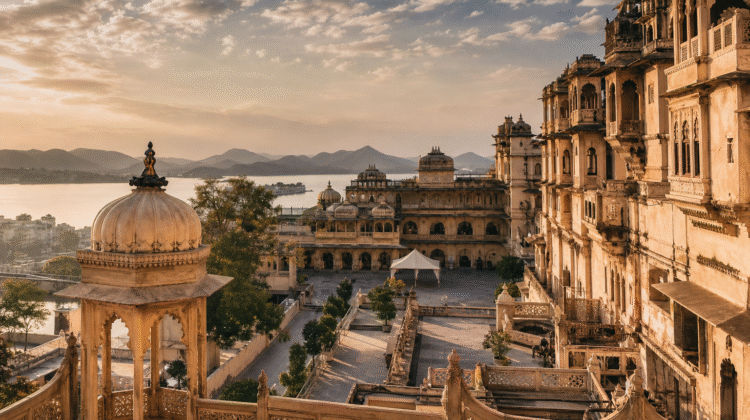
India’s royal heritage is among the country’s most powerful—and yet under-leveraged—tourism assets. The opportunity is not simply to invite visitors to admire these landmarks. It is to help them experience the stories behind them.
From the magnificent forts and palaces of Rajasthan to the princely legacies of Madhya Pradesh, the Nizami splendour of Hyderabad and Karnataka’s enduring royal traditions, India possesses an extraordinary collection of architecture, history, cuisine, craftsmanship and living culture.
The opportunity is not simply to invite visitors to admire these landmarks. It is to help them experience the stories behind them.
A palace may leave a lasting impression. But the tale of the people who built it, the traditions that flourished within its walls and the communities that continue to preserve its legacy—that is what makes the experience truly unforgettable.
Beyond Sightseeing
Tourism authorities and private operators can create carefully curated Royal India circuits linking forts, palaces, museums, royal residences, historic markets, festivals, culinary destinations and local communities.
A Royal Circuit Built Around Experience
The goal should be to move beyond a checklist of monuments and create a journey that engages all the senses.
Visitors should not merely see a palace. They should hear its stories, taste its cuisine, meet the people who sustain its traditions and understand the cultural world that gave it meaning.
The Experience PrincipleAuthenticity Is the Advantage
Heritage Must Remain More Than a Backdrop
The greatest strength of Royal India must be authenticity.
Local history should never be reduced to decorative backdrops, staged performances or simplified nostalgia. Communities, historians, artisans, cultural practitioners and descendants of royal households can play an important role in bringing these narratives to life with depth and credibility.
Their participation can also ensure that tourism benefits reach the people who protect and preserve this heritage.
Revenue from heritage tourism should support conservation, local employment, traditional crafts, cultural education and the restoration of historic neighbourhoods. When local communities become partners rather than spectators, tourism becomes more meaningful—and more sustainable.
A New Luxury Proposition
India also has enormous potential to attract high-value international travellers seeking experiences that are rare, personal and deeply rooted in place.
Luxury Defined by Access, Not Excess
Instead of offering a conventional Rajasthan itinerary, India could present a week-long royal journey that combines:
This is not luxury defined merely by expensive accommodation. It is luxury defined by access, authenticity, personalisation and the privilege of experiencing something that cannot be easily replicated elsewhere.
A private dinner in a historic courtyard, a traditional recipe prepared by a local family, a conversation with an artisan whose craft has been passed down for generations or an evening of classical music in a centuries-old palace can create memories far more valuable than conventional sightseeing.
Bringing Heritage to Younger Travellers
Use Technology to Deepen the Physical Experience
Digital storytelling can make India’s royal heritage more accessible and engaging for younger audiences.
Interactive heritage trails, immersive audio guides, virtual previews, augmented-reality experiences and short-form digital narratives can help travellers discover the personalities, events and cultural traditions connected to historic sites.
A visitor could follow the journey of a royal procession through an old city, explore the evolution of a palace over several centuries or listen to the story of a forgotten artisan while walking through a historic market.
Technology should not replace the physical experience. It should deepen it—giving visitors context, curiosity and a stronger emotional connection before, during and after their journey.
Digital as a Layer of DiscoveryFrom Royal Legacy to Living Heritage
Royal India should not be marketed merely as nostalgia for a vanished age.
It should be presented as living heritage—a meeting point where history, architecture, cuisine, craftsmanship, music, community and contemporary hospitality come together.
The Story Must Become Broader
The story must include not only kings and palaces, but also cooks, musicians, artisans, guides, conservationists, storytellers and local families whose lives remain connected to these traditions.
That broader narrative will make Royal India more inclusive, more credible and more relevant to the modern traveller.
India’s Untapped Advantage
India does not need to manufacture a luxury tourism identity. Much of it already exists—in its palaces, forts, traditions, kitchens, workshops, archives and communities.
The challenge is to curate it thoughtfully, conserve it responsibly and communicate it imaginatively.
Royal India Can Become a Global Experience, Not Just a Heritage Circuit
If done well, Royal India can become more than a collection of heritage destinations. It can evolve into one of the world’s most distinctive tourism experiences: a journey through grandeur and intimacy, history and hospitality, royal legacy and living culture.
India’s past is not merely something to preserve.
This report is part of TheTravigator’s continuing news coverage of the travel, tourism, aviation, and hospitality sectors. Our editorial team publishes industry news, market insights, partnerships, policy developments, and business updates relevant to the travel trade community. For press releases, partnership opportunities, advertising enquiries, or editorial collaborations, please contact our editorial desk at:
INFO@THETRAVIGATOR.COM