LGBTQ+ Tourism: Promoting Inclusive Destinations Through Media
LGBTQ+ Tourism: Promoting Inclusive Destinations Through Media
When every traveller feels they belong, tourism becomes more than movement—it becomes safety, dignity, connection and freedom.
When Every Traveller Feels They Belong
The young couple from New Delhi had saved for years for their first international holiday. They had chosen a destination that had been recommended by friends, a place they believed would welcome them as they were. Yet as they approached the immigration counter, they exchanged a look that I recognised—the subtle anxiety that comes from knowing that not everyone accepts who you are, and that your safety can depend on the prejudices of strangers.
Their story, shared with me over dinner at a guesthouse in a city that had become a haven for LGBTQ+ travellers, was both inspiring and heartbreaking. They had found a place where they could hold hands in public, where they could be themselves without fear. Yet the journey to get there had required careful research, active advocacy, and a willingness to accept that not every destination would embrace them.
Their experience is shared by millions of LGBTQ+ travellers around the world. Tourism thrives when every traveller feels welcomed, respected, and safe. Yet this basic condition is not always met. Differing legal frameworks, cultural attitudes, and safety concerns create uncertainty for LGBTQ+ travellers, making travel decisions more complex than they are for others.
LGBTQ+ tourism represents one of the fastest-growing and most influential travel markets, with millions of travellers seeking destinations that celebrate diversity, equality, and inclusion. Travel media plays a fundamental role in identifying and promoting these welcoming environments, helping to build a world where everyone can explore freely and safely.
Bridging the Information Gap
Historically, LGBTQ+ travellers often faced uncertainty when planning international trips. The legal and cultural landscape varied dramatically from one destination to another, and reliable information was often difficult to find. What was acceptable in San Francisco might be dangerous in some other cities. Where to stay, where to go, how to behave—these were questions that required careful navigation.
Responsible travel journalism now helps bridge this information gap by providing reliable guidance on inclusive destinations, legal protections, hospitality standards, local customs, and community events. This coverage is not merely helpful but essential—it can make the difference between a safe, memorable journey and a dangerous experience.
The Information Travellers Need Before Departure
Know the Framework
Current information on rights, restrictions and local regulations.Inclusive Hospitality
Hotels and guesthouses with verified welcoming standards.Cultural Awareness
Practical guidance that supports informed and respectful travel.Trusted Spaces
Pride events, cultural gatherings and local support networks.Travel magazines, destination websites, documentaries, blogs, and digital platforms increasingly feature LGBTQ+-friendly hotels, restaurants, attractions, nightlife, and cultural experiences. Such coverage not only assists travellers in making informed decisions but also encourages destinations to adopt more inclusive tourism policies and practices.
The visibility created by media coverage creates a virtuous cycle—destinations that are inclusive attract more LGBTQ+ travellers, which encourages other destinations to become inclusive in turn.
Celebrating Diversity as a Tourism Asset
Many cities have embraced diversity as part of their tourism identity. Annual Pride festivals, cultural celebrations, arts events, and inclusive hospitality services generate substantial economic benefits while showcasing destinations as progressive and welcoming. Travel media amplifies these stories, attracting visitors from around the world and supporting local businesses.
Carnival Energy
An exuberant celebration of visibility and community.Dignified Solidarity
A powerful expression of rights, history and belonging.Historic Significance
A destination deeply connected to the global Pride movement.Emerging Pride
A growing story of identity, courage and public visibility.I have covered Pride celebrations in cities across the globe—from the exuberant carnival atmosphere of São Paulo to the dignified solidarity of Berlin, from the historic significance of New York to the emerging pride of Mumbai. Each celebration tells a story of struggle and triumph, of communities coming together to affirm their identity and demand recognition.
These are powerful narratives that resonate far beyond the LGBTQ+ community, speaking to universal values of equality, dignity, and belonging.
Travel media captures these celebrations in all their colour and emotion, communicating the joy of acceptance and the importance of visibility. These stories do more than promote tourism—they contribute to social change by normalising diversity and challenging prejudice.
Inclusive Storytelling Beyond Festivals
Inclusive storytelling extends beyond festivals and events. Responsible journalism highlights LGBTQ+ entrepreneurs, artists, chefs, tour guides, and community leaders whose contributions enrich the tourism experience. By representing diverse voices, travel media reflects the reality that modern tourism is built upon openness, respect, and cultural exchange.
Local Enterprise
Businesses that create welcoming and distinctive visitor experiences.Cultural Expression
Creative voices that shape how travellers experience a destination.Community Knowledge
People who connect visitors with local history, identity and safe spaces.These stories demonstrate that the LGBTQ+ community is not a niche market but an integral part of the global tourism landscape. LGBTQ+ travellers are not a monolith; they are diverse in their interests, budgets, and aspirations.
Some seek the vibrant nightlife of urban destinations; others prefer quiet, romantic retreats. Some travel as couples; others as families, friends, or solo adventurers. Travel media must reflect this diversity, offering guidance that speaks to the full range of LGBTQ+ travel experiences.
Digital Platforms and Community Support
Digital platforms have further strengthened LGBTQ+ tourism by enabling travellers to access peer reviews, travel advice, safety recommendations, and community support before departure. Authentic experiences shared through blogs, podcasts, and social media complement professional journalism while fostering confidence among travellers.
Community Knowledge Builds Confidence
Online communities serve as vital resources for LGBTQ+ travellers, particularly those exploring less familiar destinations. They share information about safe spaces, cultural sensitivities, and practical considerations that may not be covered in mainstream guides. They offer support and solidarity, connecting travellers with others who have similar experiences and concerns.
TheTravigator has been active in promoting inclusive tourism through its editorial coverage, recognising that diversity and inclusion are not merely social goods but essential components of a thriving tourism industry.
“The purpose of travel is to connect, to understand, to grow. That purpose cannot be realised if any traveller feels excluded, unwelcome, or unsafe. Our coverage must reflect the diversity of the world we report on.”
Mr. Tuli has consistently emphasised the importance of representing diverse voices and experiences in travel media.
Ethical Reporting and Cultural Sensitivity
Nevertheless, ethical reporting remains essential. Travel journalists must avoid stereotypes, respect cultural sensitivities, verify local legal conditions, and prioritise traveller safety when producing destination content. They must present balanced perspectives that acknowledge both the progress made and the challenges that remain.
Responsible Coverage Requires Balance
This is particularly important when covering destinations where LGBTQ+ rights are limited. Responsible journalism must not ignore or minimise the risks that LGBTQ+ travellers may face, nor should it sensationalise or stigmatise local cultures. The goal is to provide accurate, helpful information that enables informed decision-making while respecting the complexity of cultural contexts.
Balanced reporting builds credibility while supporting responsible tourism development. By combining honesty with sensitivity, travel media contributes to the evolution of destinations toward greater inclusion while protecting travellers from misinformation and harm.
The Future of LGBTQ+ Tourism
As the tourism industry continues to embrace diversity, travel media will remain a powerful advocate for inclusion, ensuring that travel becomes an enriching experience available to everyone, regardless of sexual orientation or gender identity.
The progress that has been made is significant, but the work is far from complete. Many destinations remain unwelcoming or unsafe. Many travellers still face prejudice and discrimination. The industry must continue to evolve.
Travel media will be central to this evolution, telling stories that celebrate inclusion, challenge prejudice, and inspire change. The stories we choose to tell matter—they shape perceptions, influence behaviour, and contribute to a world where every traveller can explore freely and safely.
Closing Thoughts
Medical tourism, cruise tourism, and LGBTQ+ tourism demonstrate that today’s travellers seek more than destinations—they seek meaningful experiences tailored to their individual needs and values. Through accurate reporting, compelling storytelling, and responsible journalism, travel media connects global audiences with specialised travel opportunities while promoting safety, inclusivity, and sustainability.
As these sectors continue to expand, media will remain a trusted partner in informing travellers, strengthening destination brands, and supporting the long-term growth of the global tourism industry.
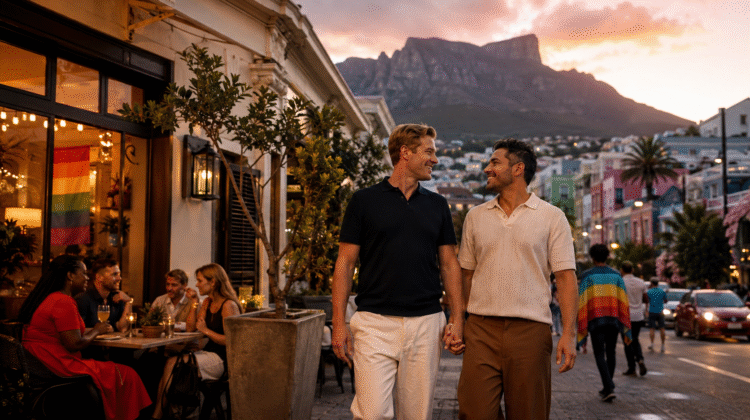
It was dusk in Cape Town, the city sprawling around Table Mountain in a tapestry of light and shadow, when I found myself reflecting on the extraordinary diversity of modern tourism. In the hotel lobby, I had just met a couple from London who had travelled for medical treatment, their journey a testament to the globalisation of healthcare.
At breakfast that morning, I had spoken with a cruise passenger whose journey had taken her around the world, each port a new chapter in a story that spanned continents. And in the city’s vibrant neighbourhoods, I had witnessed the joy of LGBTQ+ travellers exploring a destination that welcomed them with open arms.
These are not separate stories but parts of a single narrative—the story of a world that is becoming more connected, more accessible, and more inclusive. Travel media, at its best, is the narrator of this story, bringing it to life for audiences around the world.
Through the stories we tell, we contribute to a future in which every traveller can find their place, their experience, their transformation.
The journey continues. The stories await.
Source note: This article has been formatted from the supplied editorial write-up. Legal conditions and destination safety requirements can change and should be checked using current official guidance before publication or travel.
This report is part of TheTravigator’s continuing news coverage of the travel, tourism, aviation, and hospitality sectors. Our editorial team publishes industry news, market insights, partnerships, policy developments, and business updates relevant to the travel trade community. For press releases, partnership opportunities, advertising enquiries, or editorial collaborations, please contact our editorial desk at:
INFO@THETRAVIGATOR.COM