
Delhi’s Restaurant Hygiene Grades: A Game-Changer or Just a Poster on the Wall?
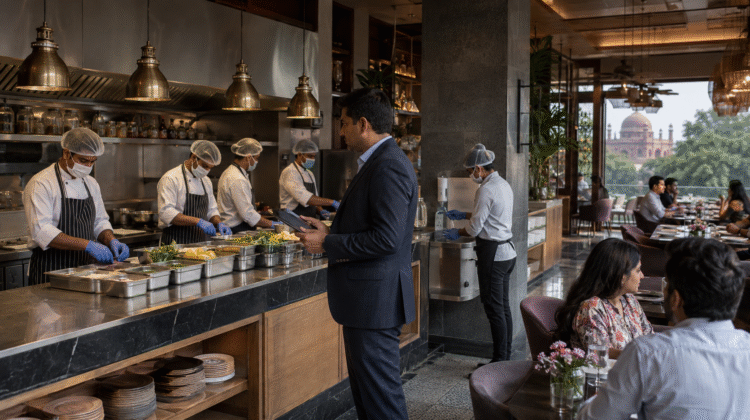
The Municipal Corporation of Delhi’s plan to introduce A-to-D hygiene ratings for restaurants—modeled on New York City’s pioneering system—marks a potentially transformative moment for India’s hospitality sector. Restaurants will start with 100 points, losing them for violations in kitchen cleanliness, pest control, and staff hygiene, with grades visibly displayed to guide consumer choice. A chef has already praised the move for keeping regulars happy through safety.
How Serious Is the Government?
The government’s seriousness is evident in the move itself—Delhi’s municipal authorities are taking concrete regulatory action. However, questions linger. India’s existing hygiene rating framework, led by FSSAI, remains voluntary, and industry observers have long warned that “if hygiene audits and certifications are left voluntary, many businesses simply will not come forward”. The real test of Delhi’s commitment will be enforcement: as one critic noted, “a food safety system becomes weak when the regulator says there is no compromise on hygiene, yet leaves visible hygiene verification to voluntary participation”. The new policy must move beyond being a “marketing shield” to ensure genuine, continuous compliance.
Learning from New York
New York’s experience offers both hope and a cautionary tale. When the city introduced its grading system in 2010, initial compliance was low—only 30% of restaurants earned an A grade, with concerns that inspection standards were inconsistent. Yet within five years, 95% of restaurants achieved A status, and foodborne illness incidents dropped significantly. A peer-reviewed study confirmed the program’s effectiveness: after three years, the probability of restaurants scoring in the A range increased by 35%, and 88% of New Yorkers considered grades in their dining decisions by 2012. The key was robust, consistent enforcement combined with public transparency.
Implementation Challenges in Delhi
Delhi’s road will be steeper. Industry concerns about enforcement corruption, inconsistent inspector standards, and the difficulty of pest control in dense urban areas mirror the early New York experience. Unlike New York’s mandatory system, India’s FSSAI hygiene rating remains voluntary, raising the risk that only already-compliant restaurants will participate. For the scheme to succeed, Delhi must commit to rigorous, unannounced inspections and transparent appeals processes—lessons New York learned the hard way.
Impact on Travel, Tourism, and Hospitality
In the near term, implementation will be disruptive: restaurants face costs to upgrade facilities and train staff, with some fearing temporary closures or lower grades. But the medium-term outlook is positive. Just as New York’s grading boosted consumer confidence and elevated food safety standards, visible hygiene ratings in Delhi could become a powerful differentiator for the capital’s hospitality sector. For international tourists accustomed to transparent safety standards in cities like New York and London, these visible grades will signal reliability and build trust. A restaurant with an A-grade can market itself as a safe dining destination, while consumers gain a simple, reliable tool to make informed choices. Over time, as New York’s experience proved, this can lift the entire sector’s hospitality standards, making Delhi a more attractive destination for discerning global travellers.
This report is part of TheTravigator’s continuing news coverage of the travel, tourism, aviation, and hospitality sectors. Our editorial team publishes industry news, market insights, partnerships, policy developments, and business updates relevant to the travel trade community. For press releases, partnership opportunities, advertising enquiries, or editorial collaborations, please contact our editorial desk at:
INFO@THETRAVIGATOR.COM