Algeria: North Africa’s Best-Kept Secret
Algeria: North Africa’s Best-Kept Secret of Roman Ruins, Sahara Landscapes and Living Heritage
Some destinations reveal themselves immediately. Algeria is not one of them.
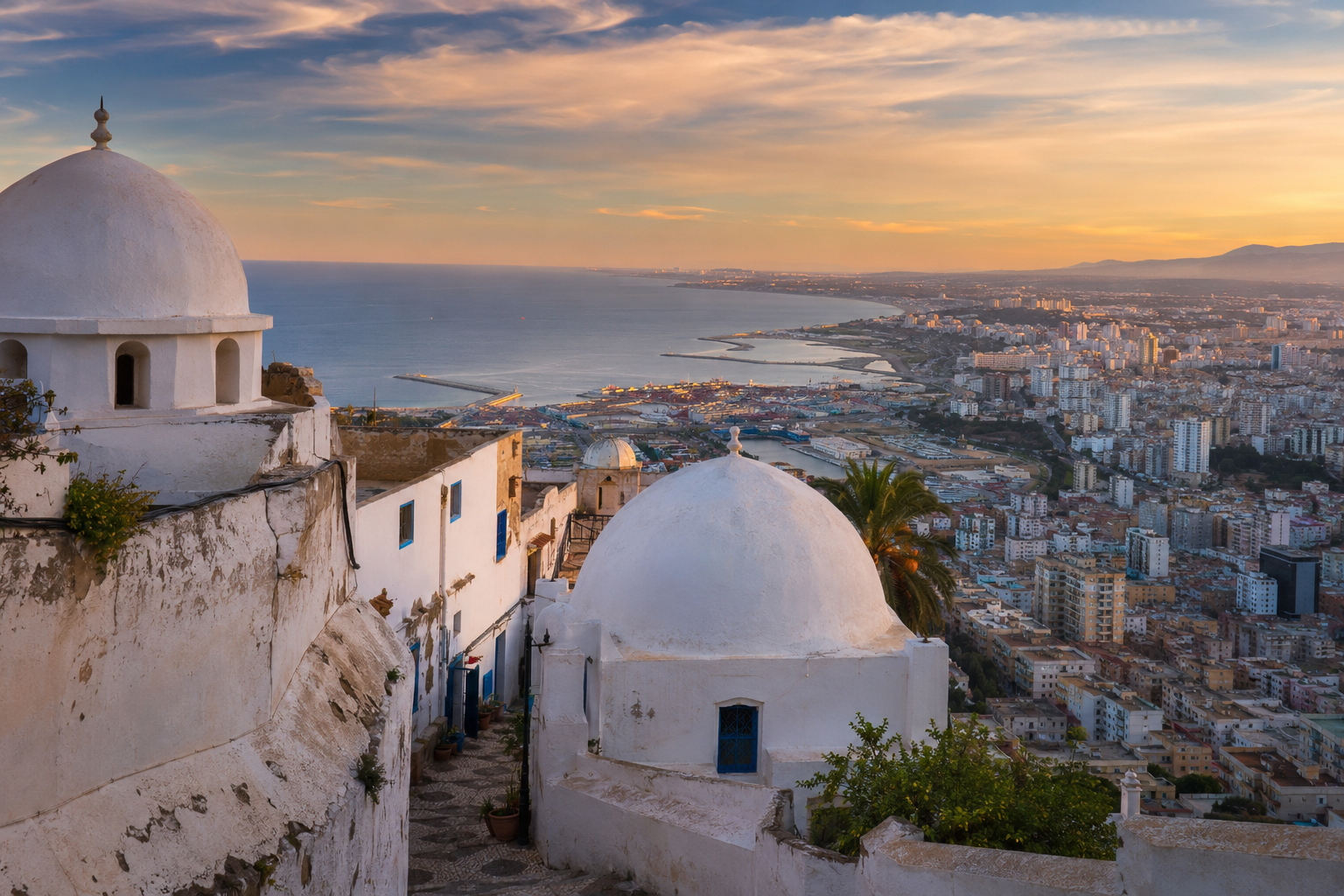
It asks you to slow down, look beyond the obvious and appreciate a country that has quietly preserved some of the Mediterranean’s most remarkable heritage. My journey began in Algiers, where the whitewashed buildings tumbling down the hillside towards the sea have earned the city its nickname—“Algiers the White.”
As I stood overlooking the Mediterranean from the historic Casbah, listening to the afternoon call to prayer echo through narrow alleyways, I realised Algeria is not about ticking off famous landmarks. It is about discovering stories that have remained largely untouched by mass tourism.
For Indian travellers seeking something genuinely different, Algeria offers a compelling blend of Roman history, Ottoman architecture, dramatic deserts and authentic cultural encounters. Unlike many established destinations, Algeria rewards curiosity rather than hurried sightseeing. Every city, every village and every landscape feels refreshingly real.
The journey naturally begins in Algiers, the country’s political and cultural heart. The UNESCO-listed Casbah of Algiers is a labyrinth of winding streets, Ottoman palaces, hidden courtyards and centuries-old mosques where everyday life continues much as it has for generations.
Local artisans welcomed visitors into workshops producing handwoven carpets, copperware and finely embroidered textiles. An elderly craftsman smiled as he demonstrated the intricate art of repoussé metalwork, explaining that every design tells a story inspired by Algeria’s diverse cultural heritage.
A short walk along the elegant French colonial boulevards reveals another side of Algiers. Grand cafés spill onto wide avenues overlooking the Mediterranean, while bookshops, galleries and lively markets reflect the city’s growing creative energy.
The striking Martyrs’ Memorial stands high above the city, offering sweeping panoramic views and serving as a reminder of Algeria’s modern history and resilience.
Travelling east, I reached Constantine, perhaps Algeria’s most spectacular city. Dramatically perched atop towering cliffs and connected by breathtaking suspension bridges, Constantine is unlike anywhere else in North Africa.
Walking across the iconic Sidi M’Cid Bridge, suspended high above the Rhumel Gorge, was both exhilarating and unforgettable. Known as the “City of Bridges,” Constantine’s unique geography has shaped its identity for centuries.
Elegant mosques, Ottoman palaces and bustling traditional markets coexist with modern cafés and universities, making it one of Algeria’s most vibrant cultural centres.
Constantine is not just seen. It is crossed, heard and felt from above the gorge.
One evening, while sipping traditional mint tea in a local café, I struck up a conversation with university students who proudly shared stories about their city’s musical heritage, particularly Malouf, a classical Andalusian music tradition that continues to thrive. Their enthusiasm reflected the deep pride Algerians take in preserving their cultural identity.
No visit to Algeria is complete without exploring its extraordinary Roman heritage. Timgad, often called the “Pompeii of Africa,” remains one of the world’s finest-preserved Roman cities.
Walking along perfectly laid stone streets, passing ancient theatres, temples, libraries and triumphal arches, I felt as though history had simply paused rather than disappeared. The city’s remarkable state of preservation makes it one of Algeria’s greatest tourism assets and a paradise for archaeology enthusiasts.
Equally impressive is Djemila, another UNESCO World Heritage Site nestled amid rolling hills. Unlike the more visited Roman ruins elsewhere in the Mediterranean, Djemila offers a peaceful atmosphere where visitors can wander among beautifully preserved mosaics, basilicas and public squares without crowds. Its unique setting creates an unforgettable blend of archaeology and natural beauty.
Timgad
One of the world’s finest-preserved Roman cities and a major archaeology tourism asset.
Djemila
A peaceful UNESCO-listed site where Roman ruins meet rolling landscapes.
Further west, Oran introduces a completely different rhythm. Algeria’s second-largest city pulses with Mediterranean charm, lively waterfront promenades and a rich musical heritage.
Widely recognised as the birthplace of Raï music, Oran is where cafés come alive with conversation, street musicians perform late into the evening and seafood restaurants overlook the sparkling coastline.
The impressive Santa Cruz Fortress, perched high above the city, rewards visitors with magnificent views across the harbour and the Mediterranean Sea.
Yet Algeria’s greatest treasure lies far beyond its cities—in the vast Sahara. The southern oasis town of Djanet has rapidly emerged as one of North Africa’s most exciting adventure destinations.
Gateway to the spectacular Tassili n’Ajjer National Park, Djanet offers landscapes unlike anywhere else on Earth. Towering sandstone formations, prehistoric rock art dating back thousands of years and endless golden dunes create an almost otherworldly environment.
Spending a night beneath the desert sky with local Tuareg guides became the defining experience of my journey. Around a small campfire, they prepared fragrant mint tea using a ritual passed down through generations while sharing stories of ancient caravan routes that once linked North Africa with sub-Saharan Africa.
Their quiet dignity and profound knowledge of the desert transformed the Sahara from a landscape into a living cultural experience.
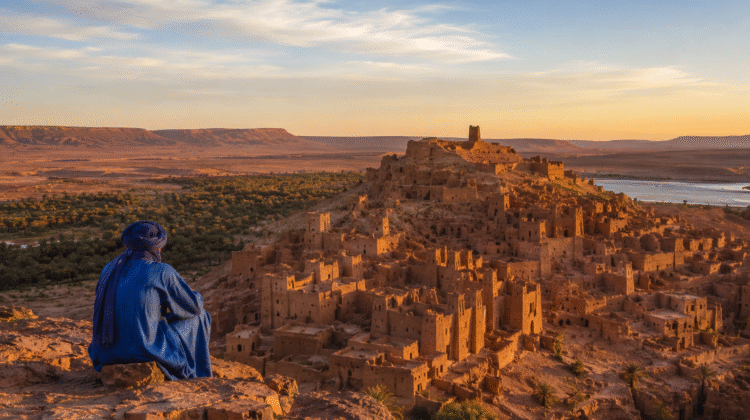
Another emerging destination is Ghardaïa, located in the stunning M’Zab Valley. This UNESCO-listed oasis town is renowned for its distinctive white architecture, sustainable urban planning and deeply rooted Ibadi traditions.
The compact settlements, bustling date markets and beautifully designed homes demonstrate how communities have adapted ingeniously to life in the desert for nearly a thousand years.
Ghardaïa remains one of Algeria’s most culturally unique destinations and is increasingly attracting travellers interested in heritage and architecture.
Algerian cuisine reflects centuries of cultural exchange. Couscous remains the national favourite, often served with slow-cooked lamb, vegetables and aromatic spices.
Rich stews, freshly baked khobz bread, grilled meats and sweet pastries flavoured with almonds, honey and orange blossom water fill local markets with irresistible aromas.
Sharing meals with local families revealed that hospitality remains one of Algeria’s strongest traditions. Like India, food here is an expression of generosity, community and celebration.
Markets are the heartbeat of Algerian life. Whether browsing handwoven Berber carpets, silver jewellery crafted by Kabyle artisans or beautifully painted pottery, every purchase supports traditions preserved across generations.
Conversations often begin with curiosity about India, Bollywood films or cricket before naturally evolving into stories about family, culture and travel.
For Indian travellers, Algeria offers a rewarding experience for those seeking authenticity rather than conventional tourism. While tourism infrastructure is steadily developing in major cities, travel to remote regions requires careful planning and experienced local operators.
Domestic flights connect several major destinations, but guided tours remain the most practical way to explore archaeological sites and desert regions.
Best Time to Visit
The best time to visit is during spring (March to May) and autumn (September to November), when temperatures are comfortable for sightseeing.
Travellers should carry comprehensive travel insurance, confirm visa requirements well in advance and use only licensed guides and registered transport providers.
Before departure, it is essential to review the latest official travel advisories, particularly if planning travel beyond major urban centres or into remote desert areas. Remaining informed about local conditions and following guidance from local authorities ensures a safer and more rewarding journey.
Algeria’s greatest USP is its remarkable authenticity.
It offers some of the Mediterranean’s finest Roman ruins, one of the world’s most dramatic desert landscapes and centuries-old living traditions without the crowds found in many better-known destinations.
It is not a place to rush through; it is a destination that rewards patience, curiosity and meaningful cultural engagement.
For travellers willing to venture beyond the familiar, Algeria reveals one of North Africa’s richest and most compelling stories.
B2B Industry Take
Algeria is a niche but high-potential destination for specialist operators targeting cultural, archaeological and adventure travellers. Indian travel companies can position Algeria as a premium discovery product featuring Roman heritage, Sahara expeditions and authentic cultural experiences. Success depends on experienced destination management partners, carefully planned itineraries and clear communication regarding travel logistics and current safety guidance.