
Soft Adventures: Gentle Thrills for Mindful Explorers
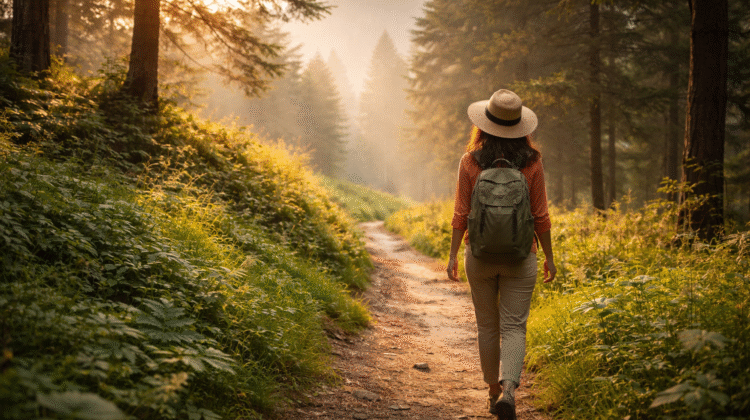
Imagine walking through a quiet forest trail early in the morning. The air smells of damp earth and coffee blossoms. Sunlight filters gently through tall trees while birds echo through the valley.
There’s no rush, no competition, and no pressure to conquer a summit.
Just a simple walk, a deep breath, and the quiet joy of being outdoors.
This is the essence of soft adventure—a travel trend that blends outdoor exploration with comfort, mindfulness, and safety.
Instead of extreme sports and high-risk expeditions, soft adventures offer gentle thrills that reconnect travelers with nature.
What Is Soft Adventure Travel?
Soft adventure travel sits comfortably between luxury tourism and traditional adventure travel.
Unlike high-adrenaline activities such as mountaineering or white-water rafting, soft adventures focus on low-risk outdoor experiences that remain accessible to a wider range of travelers.
These experiences may include:
- Forest walks and nature trails
- Village exploration and cultural walks
- Easy mountain hikes
- River-side relaxation and kayaking
- Coastal walks and beginner surfing
- Wellness activities like yoga and meditation in nature
The goal is not to chase adrenaline but to create meaningful connections with landscapes and local communities.
Why Soft Adventures Are Rising in India
Soft adventure travel is gaining popularity across India, particularly among travelers seeking peaceful outdoor experiences without the intensity of extreme adventure tourism.
Women travelers, in particular, are increasingly embracing this form of exploration.
For many, soft adventures provide the perfect balance of independence, safety, and connection with nature.
Across India’s diverse landscapes, several destinations are becoming natural hubs for these mindful journeys.
Coorg: Coffee Trails and Forest Walks
In Karnataka’s Coorg, soft adventure unfolds slowly through coffee plantations and spice groves.
Walking trails weave through bamboo thickets and lush estates, offering peaceful routes rather than demanding treks.
The region’s homestays add warmth to the experience. Hosts often guide guests through plantation walks, sharing stories about coffee cultivation, spices, and local traditions.
The experience feels personal and unhurried.
Visitors are cared for without feeling watched or restricted.
Tirthan Valley: Himalayan Quiet
Hidden in Himachal Pradesh, Tirthan Valley offers one of the most serene soft adventure landscapes in India.
Here, the river flows clear and slow, trout swim beneath wooden bridges, and pine forests stretch quietly along the hillsides.
Travelers spend their days walking gentle trails along the buffer zone of the Great Himalayan National Park, reading by the riverside, or chatting with local villagers.
For women seeking solitude, creativity, and calm, the valley offers something rare—freedom without isolation.
Kumaon: Walks Through Myth and Mountain Air
In Uttarakhand’s Kumaon region, nature and mythology often travel side by side.
Short forest hikes in Binsar Wildlife Sanctuary offer breathtaking views of Himalayan peaks without demanding strenuous trekking.
Village walks in Mukteshwar reveal stone houses, ancient temples, and quiet sunrise points where travelers gather to watch the mountains glow in early light.
Local residents often greet visitors with stories, directions, and cups of steaming chai—welcoming curiosity rather than questioning solo travel.
Varkala: Coastal Calm and Self-Discovery
On the southern coast of Kerala, Varkala offers a different form of soft adventure.
Here, the thrill lies in slow mornings and open horizons.
Travelers start the day with sunrise walks along the beach, take beginner surf lessons in gentle waves, or join yoga sessions overlooking the Arabian Sea.
Ayurvedic wellness centers, women-run cafés, and retreat spaces create an environment where travelers can either find community—or simply enjoy their own quiet company.
The Deeper Appeal of Soft Adventures
Soft adventures appeal to travelers who want experience without exhaustion.
They allow exploration without extreme risk, movement without pressure, and discovery without rigid schedules.
For women travelers, these journeys offer an empowering balance—freedom to travel independently while still feeling secure and supported.
For others, soft adventure becomes a form of mindful travel, where the focus shifts from ticking off destinations to absorbing the atmosphere of a place.
What This Means for the Travel B2B Fraternity
For travel agents, tour operators, and experience designers, soft adventure tourism presents an important opportunity within India’s evolving travel landscape.
Some strategic approaches include:
- Designing women-centric soft adventure itineraries led by trained female guides.
- Partnering with homestays and boutique properties that offer warm, safe environments for solo travelers.
- Creating nature-based itineraries combining walks, wellness activities, and cultural experiences.
- Establishing clear safety protocols, including local emergency contacts and support networks.
- Marketing these journeys to corporate women’s groups and leadership retreats seeking mindful team-building experiences.
As travel shifts toward slower, more meaningful exploration, soft adventures remind us that sometimes the most powerful journeys are not about conquering nature—but quietly walking through it.
THETRAVIGATOR.COM—- EDITORIAL NOTE
These articles are part of our ongoing coverage of emerging travel trends affecting the Indian B2B travel industry. For collaboration, advertising, or content partnerships, contact our editorial team …INFO@THETRAVIGATOR.COM.