The Kingdom of Stories: Discovering Ancient India’s Cultural Footprints Through Cambodia’s Temples, Traditions and Food
Cambodia · DESTINATION FEATURE | HERITAGE • HISTORY • FESTIVALS • CULINARY DISCOVERY
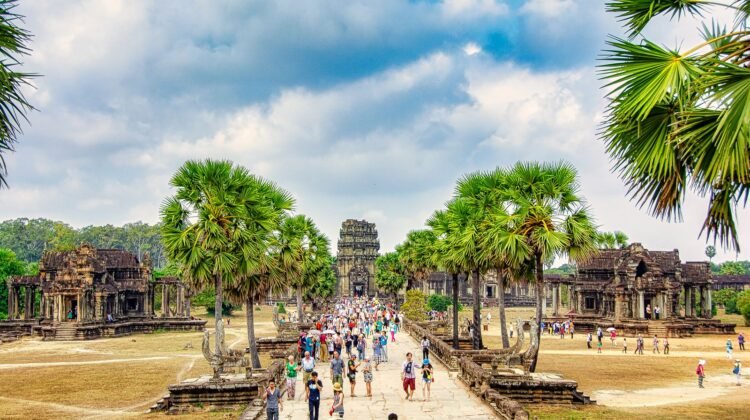
Featured photo: Visitors exploring Angkor Wat in Siem Reap, Cambodia. Photo by Antonio Serra / Pexels.
Some destinations impress with their landscapes. Others remain in the memory because of their people, architecture and stories. Cambodia belongs firmly in the second category. It is a country where magnificent temple cities, centuries-old traditions, bustling food markets and the quiet rhythm of village life create an experience that goes considerably deeper than conventional sightseeing.
For young Indian travellers, Cambodia offers something particularly interesting: a chance to explore the historical connections between the Indian subcontinent and Southeast Asia. Its ancient temples reveal the extraordinary movement of religious ideas, artistic traditions and architectural influences across centuries.
For Generation Z, backpackers, history enthusiasts and slow travellers, Cambodia can be an affordable and intellectually rewarding destination. It is also an excellent introduction to a region where India’s cultural influence is visible without overshadowing the distinctive identity of local communities.
An ancient connection between India and Cambodia
The relationship between India and Cambodia is rooted in centuries of maritime trade and cultural exchange. Hinduism, Buddhism, Sanskrit inscriptions and Indian epics influenced the development of early Southeast Asian kingdoms. The Khmer civilisation adopted and transformed many of these influences into a remarkable artistic and architectural tradition.
One of the most fascinating examples is Angkor Wat, originally dedicated to Vishnu and later associated with Buddhist worship. Its architecture, bas-reliefs and religious symbolism offer an extraordinary opportunity for Indian visitors to recognise familiar cultural references in a different historical setting. But the most interesting aspect is not simply what Cambodia inherited. It is what the Khmer civilisation created from those influences: a distinctive artistic language, monumental architecture and a religious landscape that continues to shape Cambodian identity.
Angkor: A journey through time
A visit to Cambodia should begin in Siem Reap, the gateway to the Angkor Archaeological Park.
Angkor Wat deserves more than a hurried sunrise photograph. Travellers should allow sufficient time to understand its galleries, sculptures and intricate bas-reliefs depicting historical events and episodes from Hindu mythology.
Nearby, Angkor Thom and its celebrated Bayon Temple reveal another dimension of Khmer architecture. The temple’s enormous carved stone faces create one of the most distinctive visual experiences in Southeast Asia.
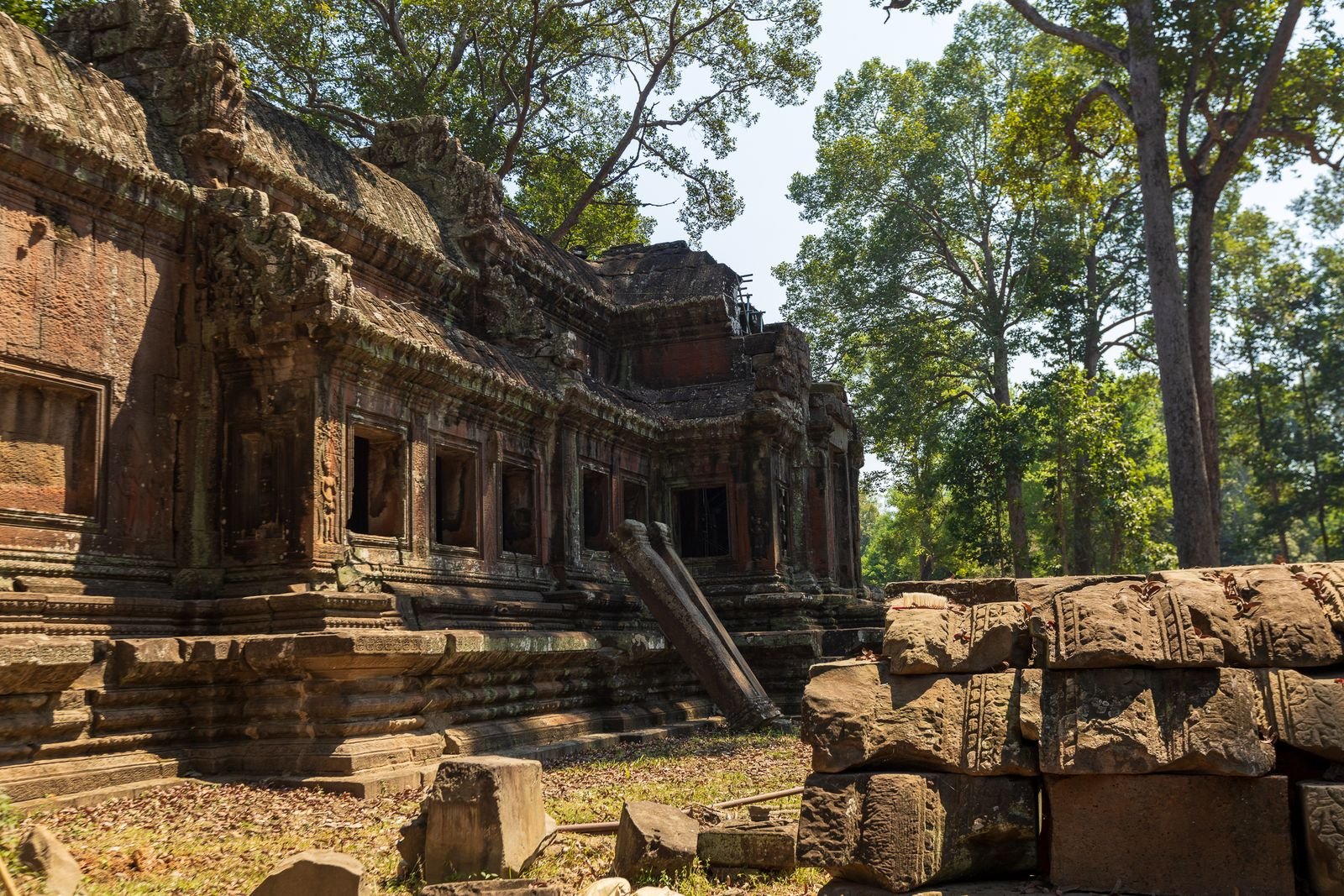
Then there is Ta Prohm, where enormous tree roots embrace ancient stone structures. It is an extraordinary reminder of how nature and civilisation have coexisted across centuries.
Young travellers should consider guided cycling or walking experiences, allowing more time to explore the archaeological landscape rather than moving between monuments in a vehicle.
Cambodia’s food culture: An underrated discovery
Cambodian cuisine deserves far more international attention. Its food traditions combine rice, freshwater fish, herbs, vegetables, coconut and distinctive spice pastes.
Start with amok trey, a fragrant fish preparation steamed in banana leaves with coconut milk and kroeung, a traditional spice paste. It is one of the country’s best-known culinary specialities.
Lok lak, a popular beef preparation served with rice and a pepper-lime dipping sauce, offers another flavourful introduction. For breakfast, try nom banh chok, often called Khmer noodles, served with a green fish-based gravy and fresh vegetables.
The pepper plantations of Kampot deserve special attention from culinary travellers. Kampot pepper is celebrated for its distinctive flavour, and visits to local farms can provide insights into agricultural traditions and regional food production.
Markets in Phnom Penh and Siem Reap are also excellent places to discover tropical produce, traditional snacks and local handicrafts.
For Indian vegetarians, it is important to remember that fish sauce, fish paste and meat stocks may appear in apparently vegetable-based dishes. Clear communication with restaurants is essential.
Festivals that bring the country to life
Cambodia’s traditional celebrations provide a fascinating insight into its relationship with agriculture, family and Buddhism.
Khmer New Year, generally celebrated in April, is among the country’s most important festivals. Families gather, visit temples, make offerings and participate in traditional games and public festivities.
Pchum Ben, the festival of ancestors, is particularly meaningful. Families visit pagodas and make food offerings in remembrance of deceased relatives. Its emphasis on family, memory and respect for ancestors offers an interesting cultural parallel with Indian traditions.
The Water Festival, or Bon Om Touk, celebrates the reversal of the Tonle Sap River’s flow. Boat races, public celebrations and riverside gatherings create an energetic atmosphere, especially in Phnom Penh.
Visit Cambodia
Travellers should check the annual calendar because dates follow traditional lunar calculations and can change.
Beyond Siem Reap: Cambodia at a slower pace
The Royal Palace, Cambodia
Phnom Penh offers a more urban introduction to Cambodia. The Royal Palace, Silver Pagoda and National Museum provide insights into Khmer royal history, Buddhist traditions and sculpture. The Tuol Sleng Genocide Museum and Choeung Ek memorial sites are important but emotionally difficult places that should be approached with sensitivity and adequate time for reflection.
Battambang is ideal for travellers seeking a slower experience, with colonial architecture, countryside excursions, art spaces and traditional villages.
Kampot and Kep offer a relaxed combination of river landscapes, pepper farms and coastal food traditions. Meanwhile, Koh Rong provides a beach-oriented escape for travellers wishing to add a few days of island relaxation.
Why Cambodia appeals to the under-30 traveller
Cambodia is especially rewarding for people interested in independent travel. Siem Reap has an established backpacker ecosystem, affordable guesthouses, local restaurants and opportunities for guided cultural activities. Remote-working travellers may find longer stays attractive in Siem Reap or Phnom Penh, although internet reliability and accommodation standards should be checked before booking. The country is better experienced through a combination of cultural exploration and relaxed local encounters than through an overly ambitious itinerary.
What does the journey cost?
| Traveller segment | Indicative six-day budget |
|---|---|
| Backpacker | ₹40,000–₹60,000 |
| Couple | ₹95,000–₹1.35 lakh |
| Family of four | ₹1.55–₹2.20 lakh |
These are the supplied 2026 planning estimates, including international flights. The Angkor entry pass and additional excursions should be factored into the final itinerary.
The opportunity for India’s travel trade
Cambodia is ideal for heritage-led holidays, educational tours, cultural exchanges, specialist photography groups and Vietnam–Cambodia combinations. Operators can create products that connect Angkor with India’s own historical and religious heritage, while ensuring that Cambodian culture remains at the centre of the experience.
TheTravigator’s verdict: Cambodia is a destination for travellers who want to return with more than photographs. It offers an extraordinary opportunity to discover how cultures travel, evolve and create new civilisations. For India’s younger generation, this is history experienced on the ground.
Beyond the Beaches: About this series
Reimagining Southeast Asia for Generation Z, backpackers, slow travellers and the new generation of location-independent professionals.
Southeast Asia is no longer simply an affordable international holiday option for Indian travellers. It is becoming a region of discovery for a generation that wants to experience destinations rather than merely visit them. Young Indians are increasingly interested in street-food trails, cultural neighbourhoods, music and festivals, traditional crafts, nature-based adventures and accommodation that allows them to stay longer without exhausting their budgets.
For Generation Z and travellers under 30, the appeal lies in authenticity, affordability and experiences worth sharing. Backpackers want freedom to explore. Slow travellers want time to understand local communities. Remote-working executives want reliable connectivity, interesting surroundings and a lifestyle that combines professional commitments with cultural exploration.
Interestingly, Southeast Asia has several cultural connections with India. Hinduism, Buddhism, ancient maritime trade, migration, spices, traditional healing systems and centuries of cultural exchange have shaped the region. Yet every country has interpreted these influences differently, creating distinctive identities, cuisines, festivals and traditions.
For India's outbound travel industry, this presents an opportunity to move beyond conventional sightseeing packages and develop experience-led itineraries for a younger, more independent and increasingly discerning traveller.
The following seven destination features explore not just where to go, but how to experience each country through its food, traditions, festivals, cultural connections and emerging travel lifestyles.