Seven Thousand Islands, Countless Stories: A Young Traveller’s Invitation to Discover the Soul of the Philippines
Philippines · DESTINATION FEATURE | ISLAND CULTURE • FESTIVALS • FOOD • ADVENTURE
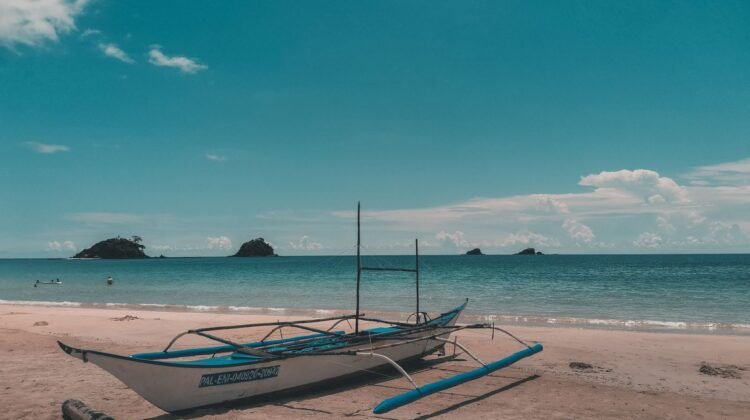
Featured photo: Traditional outrigger boat on an El Nido beach in the Philippines. Photo by Jayper Kim Pillerin / Pexels.
Imagine waking up in a wooden island guesthouse, stepping out to a view of turquoise water, spending the afternoon exploring hidden lagoons and ending the day at a neighbourhood restaurant where freshly grilled seafood is served alongside stories from local fishermen. This is the Philippines: a destination where the journey is often as memorable as the landscape.
An archipelago of more than 7,600 islands, the Philippines offers Indian travellers a different interpretation of Southeast Asia. While Thailand and Vietnam are popular for their combination of cities, culture and food, the Philippines is particularly compelling for island-hopping, marine adventures, surfing, community encounters and a vibrant festival culture.
For Generation Z, solo travellers, backpackers and young couples, its attraction lies in the freedom to construct a holiday around personal interests. A surfer can settle into Siargao, a diving enthusiast can explore Coron, a beach lover can choose Boracay, while a slow traveller can spend several days understanding the culture and everyday rhythm of Bohol.
A cultural identity shaped by many worlds
The Philippines has a fascinating cultural history. Indigenous traditions, maritime trade, Chinese commercial connections, Spanish colonial influence and American-era developments have all contributed to its contemporary identity.
For Indian visitors, there are interesting parallels in the importance of family, community celebrations, food, religious devotion and respect for elders. Both countries also have strong traditions of neighbourhood hospitality and colourful public festivities.
Yet the Philippines has its own distinctive character, particularly visible in its fiestas. Sinulog in Cebu celebrates the Santo Niño through elaborate street performances, music, dancing and religious devotion. Ati-Atihan in Kalibo combines indigenous historical references with Catholic traditions, creating one of the country’s most energetic cultural celebrations.
These are not simply entertainment events designed for tourists. They reflect the role of faith, community identity and collective celebration in Filipino life. Young travellers should also explore traditional weaving, local music and the bamboo-pole dance known as tinikling. The Filipino spirit of bayanihan, associated with neighbours helping one another, provides another meaningful insight into the country’s community-oriented culture.
A food trail that deserves international recognition
Filipino cuisine is an exciting meeting point of Asian and European influences, with regional variations that deserve far greater attention from international food travellers.
Begin with adobo, in which meat or vegetables are braised with vinegar, soy sauce, garlic and aromatics. Its balance of savoury and acidic flavours makes it one of the country’s most recognisable dishes.
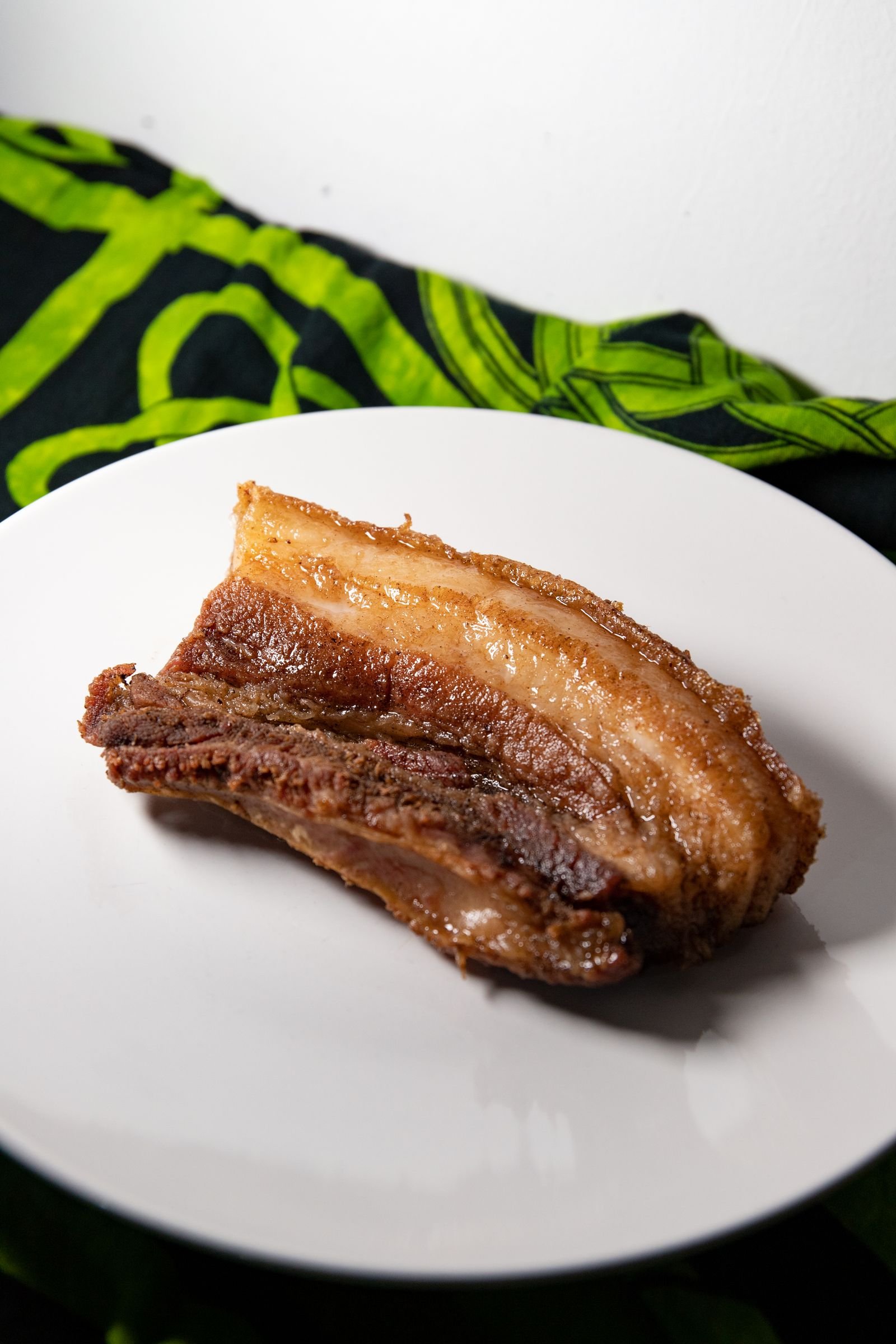
Sinigang, a comforting sour soup, introduces visitors to a different dimension of Filipino cooking. Lechon, a celebrated whole roasted pig, is associated with important occasions and community gatherings. Seafood enthusiasts should try kinilaw, a preparation of fresh fish cured in vinegar or citrus with local aromatics.
For something sweet, there is halo-halo, a colourful combination of shaved ice, milk, sweetened fruits, beans and other ingredients. Filipino mangoes, especially those associated with Guimaras, are another culinary highlight.
The most rewarding food experiences often happen in carinderias, informal neighbourhood eateries serving affordable home-style meals. Public markets, family-run restaurants and regional food trails offer opportunities to understand the country’s extraordinary culinary diversity.
Vegetarian travellers should plan carefully: meat, seafood and fish-based sauces feature prominently in many traditional preparations. Communicating dietary requirements in advance is advisable.
Five experiences that should shape the itinerary
Palawan: For first-time visitors, Palawan is a natural starting point. El Nido’s limestone cliffs, hidden lagoons and island-hopping routes create an unforgettable introduction. Coron offers spectacular lakes, coral reefs and shipwreck diving. This is where adventure and natural beauty become the central themes of a holiday.
Siargao: Arguably one of the most interesting choices for young international travellers, Siargao has developed a relaxed surfing and island-lifestyle culture. Surfing, cycling, mangrove excursions and independent cafés make it attractive for longer stays. Its slower rhythm is especially appealing to digital nomads, although accommodation and internet reliability should be checked before committing to a remote-working arrangement. Boracay: With its celebrated White Beach, Boracay is better suited to travellers looking for a combination of beach accommodation, dining, water sports and social nightlife. It is a convenient choice for couples and young groups.
Bohol: The Chocolate Hills, Loboc River, historic churches and tarsier sanctuary provide a fascinating combination of natural and cultural attractions. It is particularly suitable for travellers who want something beyond the beach.
Manila and Cebu: Manila’s Intramuros introduces visitors to Spanish-era heritage, churches and museums. Cebu combines historic landmarks with diving opportunities and access to neighbouring islands.
Festivals, island living and the new traveller
The Filipino calendar offers opportunities to build journeys around regional celebrations, particularly the January festivals. However, festival travel requires advance planning because accommodation and domestic transport can become busy.
For backpackers, the key is resisting the temptation to cover too many islands in one trip. Inter-island flights, ferries and transfers consume both money and time. A seven-to-ten-day holiday built around Palawan or a Cebu–Bohol combination may deliver a more satisfying experience than attempting to see the entire country.
For remote-working travellers, selected urban and island bases provide attractive lifestyles, but connectivity, power reliability, accommodation facilities and immigration rules must be checked individually.
What does the journey cost?
| Traveller segment | Indicative six-day budget |
|---|---|
| Backpacker | ₹45,000–₹65,000 |
| Couple | ₹1.15–₹1.65 lakh |
| Family of four | ₹1.90–₹2.70 lakh |
These are the supplied 2026 planning estimates, including international flights. Island transfers and domestic aviation can significantly affect the final expenditure.
The opportunity for India’s travel trade
The Philippines deserves more differentiated marketing in India. Instead of selling the country as one large beach destination, operators can develop specialised Palawan adventure packages, Siargao surfing holidays, Boracay resort escapes and Cebu–Bohol heritage experiences.
TheTravigator’s verdict: The Philippines is for travellers who believe the best journeys leave room for spontaneity. Its island culture, extraordinary marine landscapes, energetic festivals and welcoming communities make it a compelling proposition for India’s younger outbound market.
Beyond the Beaches: About this series
Reimagining Southeast Asia for Generation Z, backpackers, slow travellers and the new generation of location-independent professionals.
Southeast Asia is no longer simply an affordable international holiday option for Indian travellers. It is becoming a region of discovery for a generation that wants to experience destinations rather than merely visit them. Young Indians are increasingly interested in street-food trails, cultural neighbourhoods, music and festivals, traditional crafts, nature-based adventures and accommodation that allows them to stay longer without exhausting their budgets.
For Generation Z and travellers under 30, the appeal lies in authenticity, affordability and experiences worth sharing. Backpackers want freedom to explore. Slow travellers want time to understand local communities. Remote-working executives want reliable connectivity, interesting surroundings and a lifestyle that combines professional commitments with cultural exploration.
Interestingly, Southeast Asia has several cultural connections with India. Hinduism, Buddhism, ancient maritime trade, migration, spices, traditional healing systems and centuries of cultural exchange have shaped the region. Yet every country has interpreted these influences differently, creating distinctive identities, cuisines, festivals and traditions.
For India's outbound travel industry, this presents an opportunity to move beyond conventional sightseeing packages and develop experience-led itineraries for a younger, more independent and increasingly discerning traveller.
The following seven destination features explore not just where to go, but how to experience each country through its food, traditions, festivals, cultural connections and emerging travel lifestyles.
Related posts:
 The Art of Getting Lost: Where Street-Food Adventures, Ancient Traditions and Digital Nomad Dreams Come Together
 CAMBODIA: THE KINGDOM WHERE ANCIENT CIVILISATIONS MEET MODERN TRAVEL
 PHILIPPINES: AN ARCHIPELAGO OF ISLANDS, CULTURES AND CULINARY SURPRISES
 Philippines pushes culinary tourism through expanded Michelin recognition