Zanzibar Beyond the Beach: Where Swahili Culture Meets the Indian Ocean
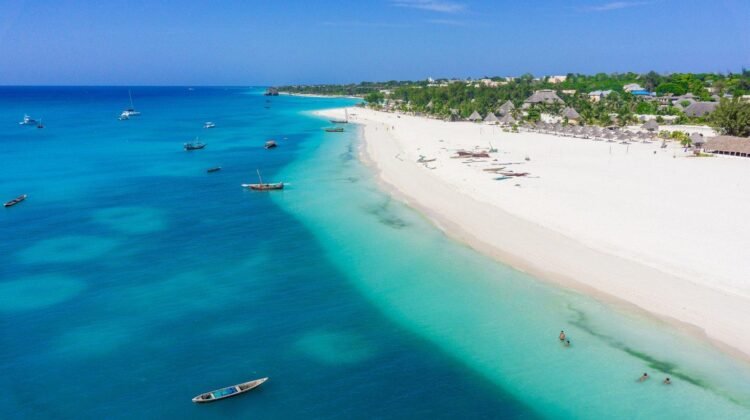
Zanzibar is often introduced through its most obvious attraction: powder-white beaches, turquoise water and luxury resorts scattered along the Indian Ocean.
But reducing Zanzibar to a beach holiday misses much of what makes the Tanzanian archipelago distinctive.
Beyond the coastline lies a destination shaped by centuries of movement across the Indian Ocean — African, Arab, Indian and European influences converging in its architecture, food, traditions and trading history.
From the historic streets of Stone Town to spice plantations, coral reefs and secluded beaches, Zanzibar offers travellers a journey that can move effortlessly between culture, nature and relaxation.
For travellers planning a Tanzania itinerary, the island can therefore be much more than a few days beside the sea.
Stone Town: The Cultural Heart of Zanzibar
The journey into Zanzibar’s history begins in Stone Town, the island’s atmospheric historic centre.
Its narrow streets, carved wooden doors, old buildings and bustling markets reflect Zanzibar’s position for centuries as an important trading centre along the East African coast.
Walking through Stone Town offers a very different experience from the island’s beach resorts.
The architecture reveals layers of Swahili, Arab, Indian and European influence, while the markets and streets provide a glimpse into contemporary island life.
For culturally curious travellers, Stone Town is not simply a place to photograph. It is the starting point for understanding Zanzibar.
A Spice Island With a Global History
Zanzibar’s identity is also closely connected to spices.
Cloves, cinnamon, nutmeg and other aromatic plants have played an important role in the island’s agricultural and trading history.
A visit to a spice plantation provides travellers with an opportunity to see how these products grow while learning about the traditions that helped give Zanzibar its reputation as the “Spice Island.”
The experience also adds depth to a destination that might otherwise be viewed purely through its beaches.
The Indian Ocean Is Part of the Experience
Zanzibar’s coastline is undoubtedly one of its strongest attractions.
The island’s beaches provide a setting for swimming, sailing, snorkelling and diving, while the surrounding waters support coral reefs and diverse marine life.
For travellers seeking a more active holiday, the Indian Ocean offers opportunities to explore the underwater environment rather than simply admire it from the shore.
Snorkelling and diving can introduce visitors to coral gardens and tropical marine species, while boat excursions provide another way to experience the coastline.
Beaches for Every Kind of Traveller
One of Zanzibar’s strengths is the variety of its coastal experiences.
Some parts of the island are associated with established resorts and a lively tourism atmosphere, while others offer a quieter and more secluded setting.
This allows travel advisors to match different parts of Zanzibar with different traveller profiles.
Couples may prefer a private beachfront resort.
Families may prioritise easy beach access and water activities.
Luxury travellers may look for villas, personalised service and wellness experiences.
Adventure-oriented travellers may want to combine the coast with diving, snorkelling and island excursions.
The destination therefore works particularly well when the itinerary is designed around the traveller rather than around a single definition of a “Zanzibar holiday.”
Zanzibar and Tanzania: A Natural Combination
One of Zanzibar’s biggest strategic advantages for international travel planners is its ability to complement a mainland Tanzania itinerary.
A traveller can experience wildlife on the mainland and then transition to the Indian Ocean for a slower coastal stay.
A Tanzania journey might therefore combine safari landscapes, wildlife viewing and island culture before ending with several days beside the sea.
This combination can create a more complete East African holiday than treating Zanzibar as an isolated beach destination.
For the travel trade, that flexibility is one of Zanzibar’s strongest assets.
A Destination Where Culture and Leisure Meet
Zanzibar’s appeal lies in the contrast.
A traveller can begin the day walking through historic Stone Town, spend the afternoon exploring the island’s spice heritage and finish the evening beside the Indian Ocean.
That combination of culture, nature and relaxation gives the destination a broader identity than its postcard beaches suggest.
It also makes Zanzibar particularly relevant to the growing demand for experiential travel, where travellers increasingly want to understand the places they visit rather than simply pass through them.
When Is the Best Time to Visit Zanzibar?
Zanzibar is a year-round destination, but weather patterns can influence the experience.
The island’s drier periods are generally preferred for beach holidays and outdoor activities, while the wetter seasons can bring heavier rainfall.
Travel advisors should therefore consider the wider itinerary when selecting travel dates, particularly if Zanzibar is being combined with a Tanzania safari.
Rather than treating Zanzibar’s weather independently, the stronger approach is to design the mainland-and-island journey together.
Is Zanzibar Only for Luxury Travellers?
Not at all.
While Zanzibar has developed a strong reputation for luxury resorts and private beachfront stays, the island offers experiences across different travel styles and budgets.
Its beaches, cultural attractions, historic areas and marine activities can be incorporated into a wide range of itineraries.
For the luxury market, however, Zanzibar has a particularly strong proposition: privacy, beachfront accommodation, wellness, personalised service and the romance of an Indian Ocean setting.
The Future of Zanzibar Tourism
Zanzibar’s continued tourism growth also brings an important responsibility.
The island’s beaches, coral ecosystems, historic heritage and local communities are central to its appeal. Protecting those assets will be essential as tourism continues to evolve.
For the modern traveller, the quality of a Zanzibar experience is increasingly connected not only to accommodation and scenery but also to how responsibly the destination is experienced.
That makes sustainable tourism and community-conscious travel increasingly relevant to Zanzibar’s long-term tourism story.
The Verdict
Zanzibar may begin with the promise of a beautiful beach, but it does not end there.
It is a destination shaped by the Indian Ocean, where Swahili culture meets centuries of global trade, where spice plantations connect agriculture with history, and where coral reefs and beaches create a natural extension to mainland Tanzania.
For travellers, that means Zanzibar can be relaxing without being one-dimensional.
For travel advisors, it means the island can serve several roles — a luxury escape, a cultural journey, an adventure destination or the perfect final chapter to a Tanzania safari.
The strongest Zanzibar itinerary isn’t simply about finding the best beach. It is about experiencing the island behind it.