Rail Tourism Is Back on Track
Why Legendary Rail Journeys Are Becoming Big Business for the Travel Trade
Luxury is no longer defined solely by five-star hotels or private islands. Increasingly, it is measured by experiences—and few experiences combine heritage, comfort, slow travel and storytelling as effectively as rail journeys.
Across the world, iconic train routes are witnessing renewed demand from high-value travellers seeking immersive holidays rather than rushed itineraries.
From India’s royal palaces on wheels to Switzerland’s panoramic alpine routes and South Africa’s luxury safaris on rails, rail tourism has evolved into a premium travel segment that offers significant opportunities for travel advisors, DMCs and tour operators.
For the travel trade, the opportunity extends far beyond selling a train ticket. Rail journeys naturally encourage longer itineraries, premium accommodation, destination extensions and curated local experiences, making them one of the most profitable experiential products available today.
For the travel trade, the opportunity extends far beyond selling a train ticket.
India has successfully transformed several historic rail routes into globally recognised tourism products.
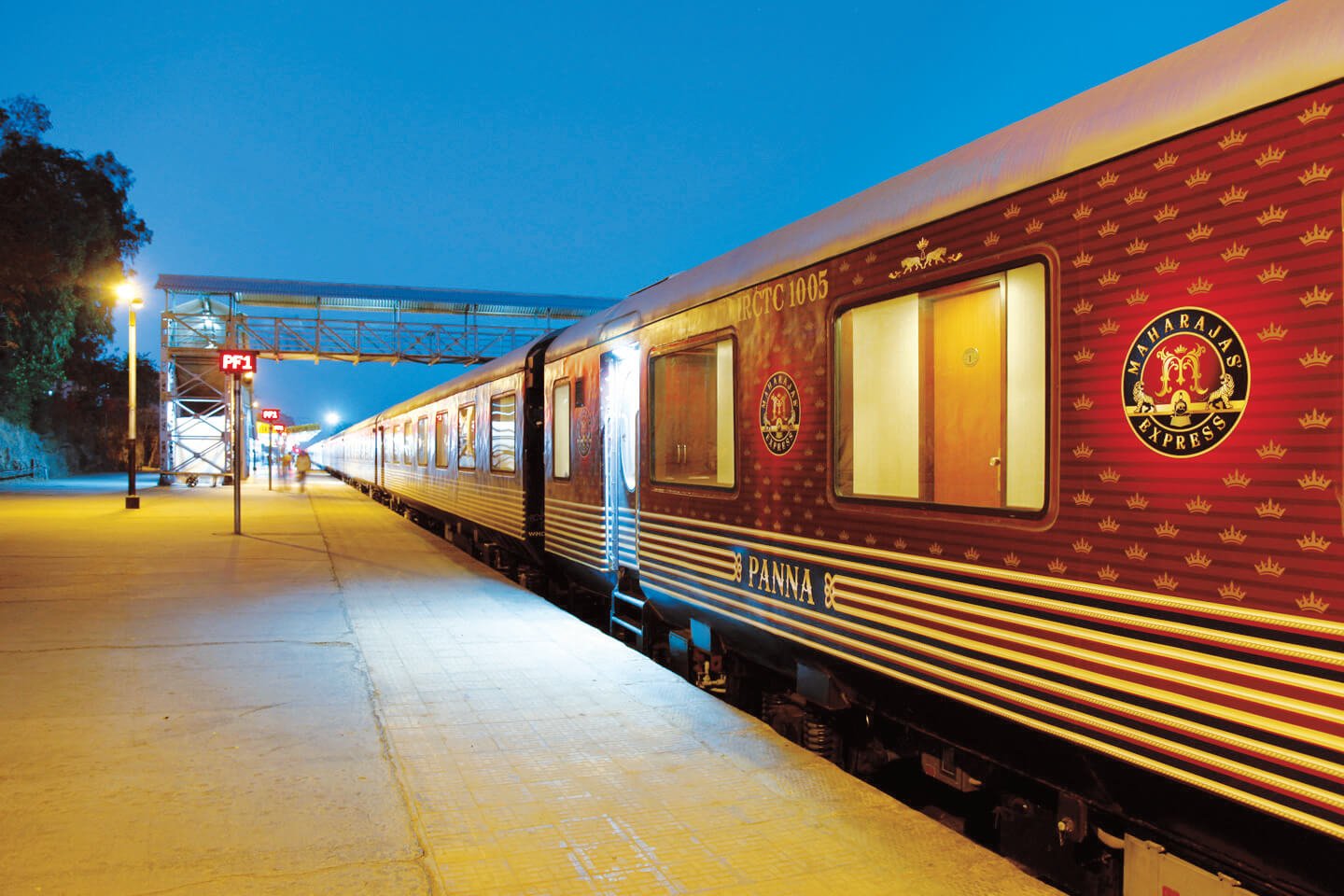
The Maharajas’ Express continues to rank among the world’s finest luxury trains, offering royal hospitality, gourmet dining and carefully curated cultural experiences across destinations including Rajasthan, Agra, Varanasi and Mumbai.
Similarly, the Palace on Wheels remains synonymous with India’s royal heritage, taking travellers through magnificent forts, palaces and desert landscapes while recreating the grandeur of princely travel.
At the same time, the country’s rail story is becoming more diverse.
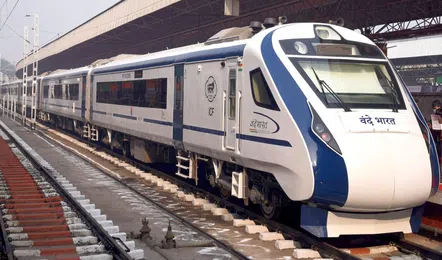
The Vande Bharat Express represents modern India’s vision of premium rail travel. Faster journey times, improved passenger comfort, onboard catering and better connectivity have made it attractive not only for domestic travellers but also for international visitors looking to explore multiple cities efficiently.
Meanwhile, luxury tourism continues to expand with products such as The Deccan Odyssey, which connects Maharashtra, Goa and surrounding regions through carefully designed heritage itineraries.
Together, these trains demonstrate how rail tourism now caters to both heritage seekers and modern premium travellers.
The global rail tourism landscape offers remarkable diversity, each product targeting a distinct traveller segment.
Europe’s Orient Express remains one of the most iconic luxury rail brands ever created, symbolising timeless elegance and classic European travel.
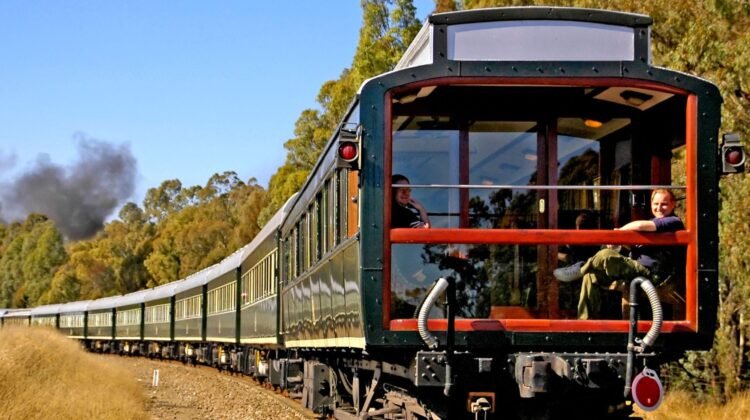
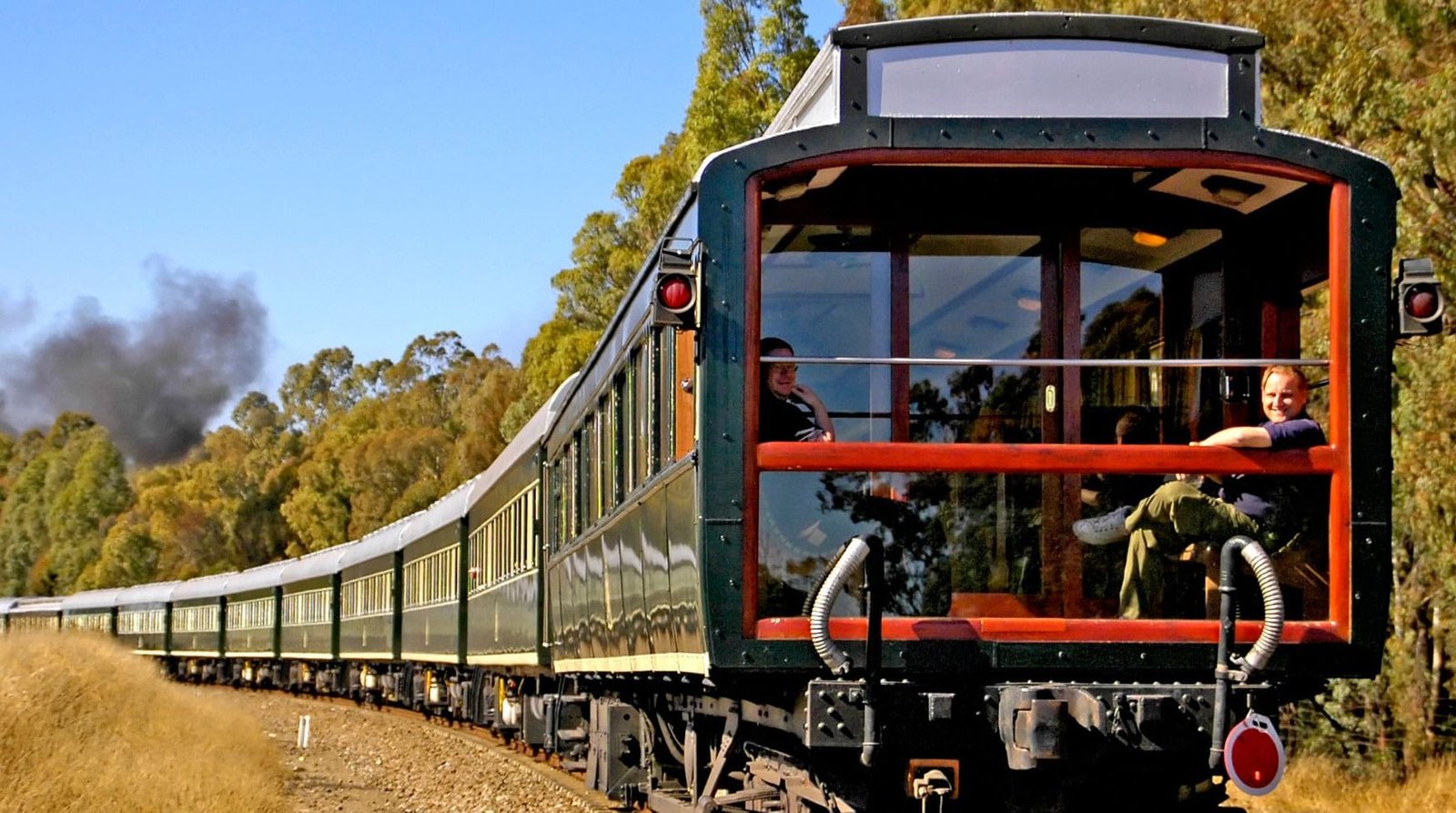
In South Africa, the Rovos Rail experience combines luxury train travel with wildlife safaris and vineyard visits, creating high-end itineraries that appeal to affluent international travellers.
Switzerland’s Glacier Express attracts visitors through breathtaking mountain scenery, connecting alpine destinations while delivering one of the world’s most photographed train journeys.
Australia’s The Ghan offers an entirely different proposition, traversing the vast Australian Outback from Adelaide to Darwin, allowing travellers to experience landscapes inaccessible through conventional tourism.
Each of these products demonstrates that rail tourism succeeds when transportation itself becomes the destination.
India’s Luxury Rail
Heritage, royal hospitality and curated cultural experiences.
Rovos Rail
Luxury rail travel with safari and vineyard extensions.
Scenic Rail Routes
Panoramic routes where the journey becomes the attraction.
For travel professionals, the real value lies not inside the train but around it.
A rail itinerary naturally extends traveller stay duration. Guests often spend additional nights before departure and after arrival, creating demand for hotels, sightseeing, transfers, restaurants and local experiences.
A Palace on Wheels itinerary, for example, generates business not only for the train operator but also for luxury hotels in Delhi, destination management companies in Rajasthan, monument guides, transport providers, handicraft markets and cultural performers.
Similarly, international rail journeys frequently become the centrepiece of larger multi-country holidays.
Rather than selling transportation, travel advisors are increasingly packaging complete experiences.
Rail tourism also aligns perfectly with destination circuits that are already familiar to travellers.
Golden Triangle Circuit
India’s Golden Triangle Circuit (Delhi–Agra–Jaipur) remains one of the country’s strongest rail-supported tourism products.
Mystic India Circuit
The Mystic India Circuit combines heritage, spirituality and culture through destinations including Udaipur, Mumbai and Goa.
Sub-Himalayan Circuit
Adventure-focused travellers increasingly explore regions such as Assam, Sikkim and Darjeeling.
Heritage of India Circuit
The Heritage of India Circuit connects Rajasthan, Mumbai and surrounding cultural destinations.
These established routes provide travel companies with flexible packaging options across multiple price segments.
Rail tourism offers several commercial advantages that distinguish it from traditional holiday packages.
Luxury rail travellers typically have higher spending capacity, translating into greater revenues across accommodation, dining, excursions and shopping.
Rail products also encourage multi-city itineraries, allowing travel advisors to cross-sell destination experiences, insurance, premium transfers, cruises and extensions.
Unlike air travel, which often serves only as a point-to-point connection, rail travel itself becomes a memorable attraction, increasing customer satisfaction and encouraging repeat business.
The slower pace of rail travel also aligns with the growing global demand for meaningful, sustainable and experience-led tourism.
As travellers become increasingly conscious of environmental impact, rail tourism is gaining additional relevance.
Rail transport generally produces lower carbon emissions than comparable air journeys while offering greater opportunities to experience local communities, regional cuisine and authentic cultural interactions.
Many destinations are now investing heavily in rail infrastructure, luxury services and scenic routes as part of broader sustainable tourism strategies.
This trend is expected to continue as governments seek greener transportation alternatives while tourism boards promote slower, experience-rich travel.
Rail tourism is no longer a niche luxury product.
It has become an important pillar of experiential tourism, capable of generating higher margins, longer itineraries and stronger customer loyalty.
For tour operators, travel advisors, destination management companies and hospitality partners, legendary rail journeys provide an opportunity to build premium travel packages that combine transportation, accommodation, culture and unforgettable experiences into one seamless product.
As global travellers increasingly prioritise authenticity over speed, rail tourism is proving that sometimes the most memorable journeys are not the fastest—but the ones that allow travellers to truly experience the destination along the way.