Dubai & the UAE: Where Modern Luxury Meets Timeless Arabian Heritage
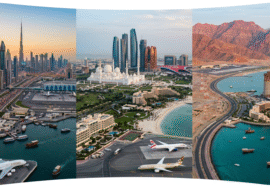
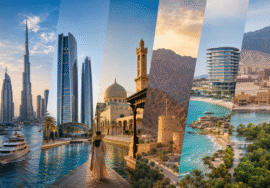
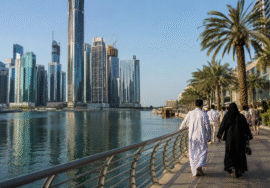
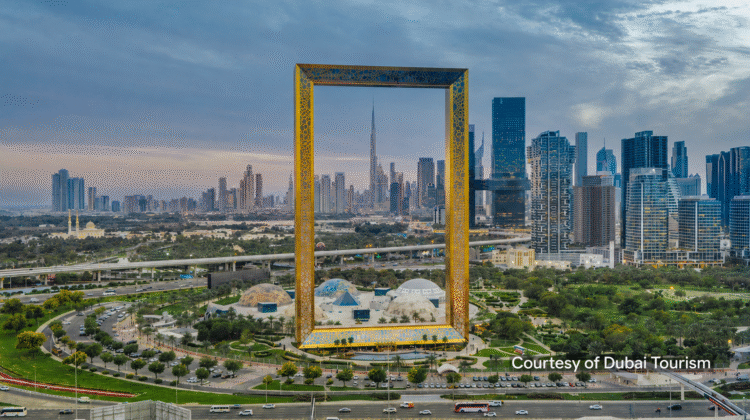
The first thing that hits you in the UAE is contrast prayer calls floating over glass towers, oud drifting through a mall corridor, and a desert horizon that turns gold just before sunset. For Indian travellers, that mix feels familiar and exhilarating at once — modern comfort, easy flight access, strong vegetarian and Indian food options, and a destination that works for family breaks, shopping trips, stopovers, and incentive travel. Dubai remains the headline act with Burj Khalifa, Dubai Mall, the Fountain, and Palm Jumeirah, while Abu Dhabi’s Sheikh Zayed Grand Mosque, Louvre Abu Dhabi, and Yas Island bring culture and leisure into sharper focus.
What keeps these icons relevant is not just scale, but experience. Burj Khalifa still delivers the classic “I was here” moment, Dubai Creek still offers the oldest pulse of the city, and the mosque in Abu Dhabi remains a serene architectural landmark that draws visitors seeking calm as much as spectacle. At the same time, newer draws are gaining traction: Dubai South and Dubai Islands are part of the city’s next growth wave, while Sharjah’s heritage districts, Ajman’s quieter beaches, and Ras Al Khaimah’s nature-led escapes are appealing to travellers who want a slower, more textured UAE.
The UAE’s real USP is how easily it blends luxury with accessibility. You can spend the morning in a museum, the afternoon in a souk, and the evening on a dhow cruise or desert safari, all within a tightly run transport and hospitality ecosystem. Dubai’s January 2026 visitor momentum and the wider tourism roadmap point to continued investment in new hotels, attractions, walkable districts, and event-led travel.
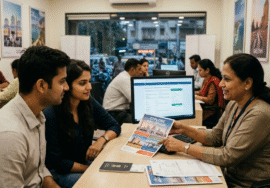
For Indian travellers, practical planning matters: passport validity should be at least six months from entry, and UAE visa rules vary by nationality and eligibility category. UAE authorities also stress that visitors should check entry conditions before travel because visa-on-arrival eligibility can change.
Culture is best experienced in the small details: Emirati coffee, dates, seafood, fragrant spices, camel milk products, and the craftsmanship on display in textile and gold souks. The most rewarding moments often come through everyday interactions—a shopkeeper explaining a spice blend, a guide sharing family history in Al Fahidi, or a local recommending the best time to visit a mosque or market.
Safety is generally strong, but the UAE runs on clear rules. Travellers should avoid public displays of affection, respect dress norms in traditional spaces, avoid photographing military or government sites, and follow local laws on alcohol, medication, and online conduct.
B2B industry take
The UAE remains a benchmark market for Indian outbound travel because it combines short-haul convenience, strong aviation connectivity, premium inventory, and year-round demand. With Dubai still scaling tourism infrastructure and diversifying into new districts, tour operators, OTAs, DMCs, and MICE planners can build sharper product around luxury city breaks, heritage add-ons, desert experiences, and family-friendly itineraries.
This report is part of TheTravigator’s continuing news coverage of the travel, tourism, aviation, and hospitality sectors. Our editorial team publishes industry news, market insights, partnerships, policy developments, and business updates relevant to the travel trade community. For press releases, partnership opportunities, advertising enquiries, or editorial collaborations, please contact our editorial desk at:
INFO@THETRAVIGATOR.COM