India–China Air Corridor Signals Recovery as Chinese Tourist Arrivals Rise, B2B Push Planned
India’s inbound tourism market is showing fresh signs of recovery from China, with the Ministry of Tourism reporting a sharp increase in Chinese visitor arrivals over the past four months.
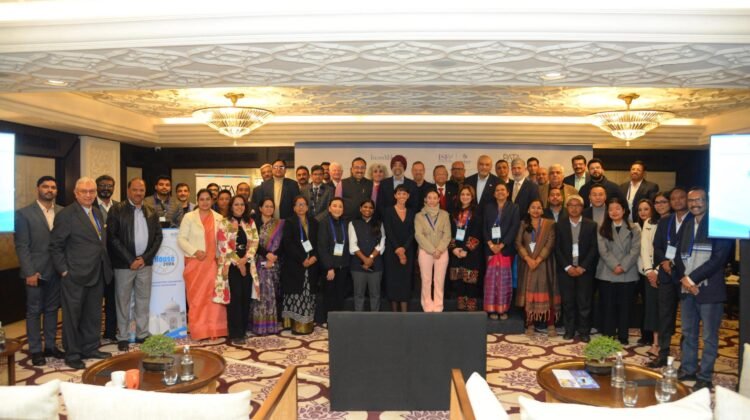
Speaking at the PATA India Chapter’s 56th Annual General Meeting, Tourism Secretary Bhuvnesh Kumar said arrivals from China had increased by 120% over the four-month period compared with the corresponding period a year earlier. The development comes as direct air connectivity between the two countries continues to rebuild after several years of disruption.
Kumar said the volume of Chinese arrivals during the period rose from 15,000 to 23,000, while the pace accelerated considerably during the most recent two months, when average arrivals reportedly increased from around 4,000 to 9,000.
The figures were reported by TravTalk following Kumar’s remarks at the PATA India Chapter AGM.
Direct connectivity is returning to the India–China market
The recovery in visitor numbers comes against a broader restoration of air links between India and China.
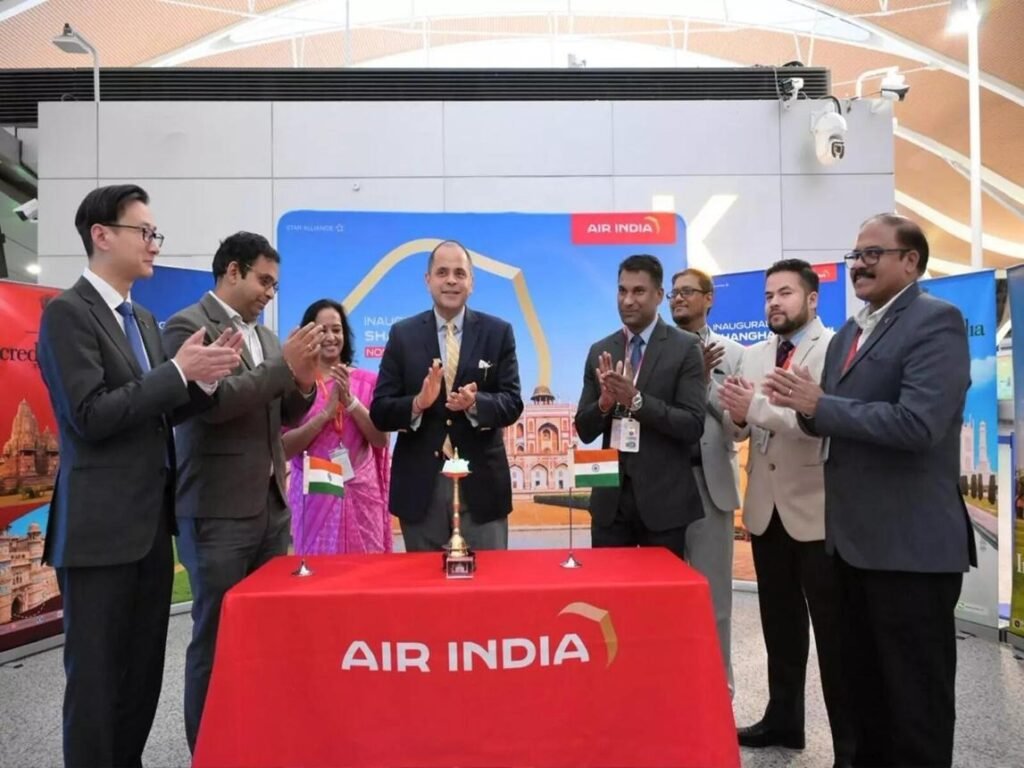
Air China resumed its direct Beijing–Delhi service in April 2026 after a prolonged suspension. Air India had already announced the resumption of its Delhi–Shanghai service from February 2026, with the route initially scheduled to operate four times a week.
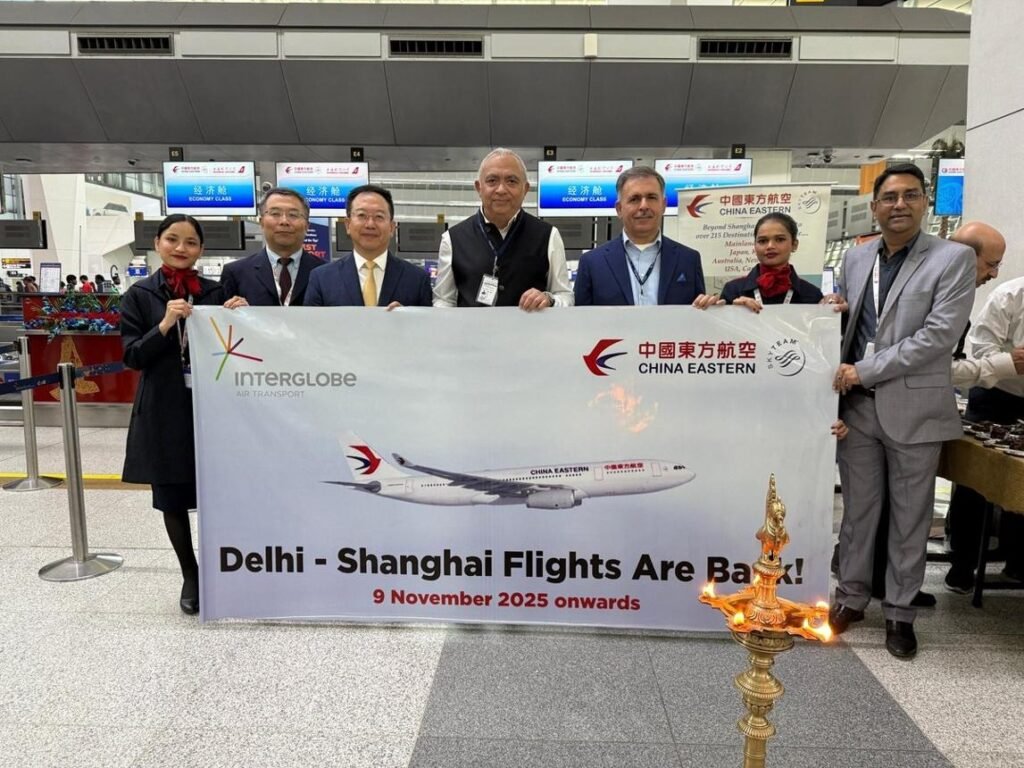
The connectivity picture has continued to develop. Current flight schedules show direct New Delhi–Beijing services operating on the route, while Air India also markets Delhi–China connections to several Chinese cities.
China Southern has also resumed regular Guangzhou–New Delhi passenger services, further widening the direct connectivity between the two markets.
For the travel trade, the restoration of direct links is significant because aviation capacity is closely tied to the ability of tour operators, destination management companies and hotels to rebuild China-facing products.
China remains a strategically important inbound market
The latest movement is important beyond the immediate arrival numbers.
China has historically been an important source market for international tourism, and the reopening of direct aviation links creates opportunities across leisure tourism, business travel, MICE, cultural tourism and longer multi-city itineraries.
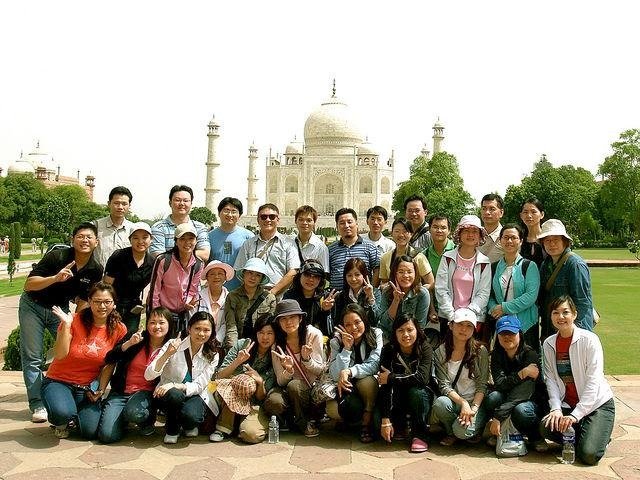
For Indian travel companies, the opportunity extends beyond simply selling traditional Golden Triangle programmes. Chinese visitors can potentially be distributed across destinations including Delhi, Agra, Rajasthan, Varanasi, Kerala, Mumbai and other experience-led circuits.
India’s tourism authorities have increasingly focused on spreading demand beyond the country’s best-known destinations, a strategy that could become particularly relevant as international source markets recover.
B2B roadshows to become the next growth lever
The Ministry of Tourism is now looking towards targeted B2B roadshows to build on the improving arrival numbers.
For India’s travel trade, that could mean greater engagement with Chinese tour operators, wholesalers, destination specialists and corporate travel planners rather than relying solely on consumer-facing destination promotion.
A sustained B2B approach could help Indian suppliers rebuild distribution networks in Chinese cities and familiarise trade partners with updated Indian products, air schedules, visa processes and destination experiences.
This is particularly relevant because the recovery of an international market is not determined by airline capacity alone. Tour operators need product, distribution, pricing, local partnerships and confidence that the destination can be sold efficiently.
The Ministry’s latest strategy therefore places the travel trade closer to the centre of the recovery process.
Aviation recovery and tourism recovery are moving together
The India–China market provides a clear example of how aviation and tourism can reinforce one another.
Air connectivity creates the physical capacity for travel. Tourism promotion creates demand. B2B distribution converts that demand into bookings, while hotels, destination management companies and attractions ultimately capture the economic value.
The restoration of direct routes has already provided a foundation for this process. Air India announced its return to mainland China with Delhi–Shanghai flights, while Air China and other carriers have subsequently restored additional India–China links.
The latest Chinese arrival figures suggest that the market is responding, although the reported numbers remain at an early stage of recovery.
An important statistical clarification
The 120% growth figure should be attributed to Tourism Secretary Bhuvnesh Kumar’s remarks, rather than independently calculated from the 15,000-to-23,000 figures quoted in the report.
A rise from 15,000 to 23,000 represents approximately 53.3% growth, not 120%. The TravTalk report separately attributes the 120% year-on-year figure to Kumar while also reporting the 15,000 and 23,000 volumes.
For publication accuracy, TheTravigator should therefore retain the attribution rather than present 120% as a calculation from those two absolute numbers.
What the recovery means for India’s travel trade
The immediate opportunity for the Indian travel industry is to convert restored connectivity into a functioning China-facing distribution network.
Three areas will be particularly important:
1. B2B distribution
Indian suppliers will need stronger relationships with Chinese travel agencies, wholesalers and destination specialists.
2. Air connectivity
More reliable direct services can make India easier to package and sell, particularly for first-time and repeat visitors.
3. Product diversification
Beyond Delhi and Agra, Indian tourism companies can develop cultural, spiritual, wellness, luxury, MICE and regional circuits suited to different Chinese traveller segments.
The Ministry’s planned B2B roadshows could provide a platform for addressing all three.
The road ahead
The revival of India–China tourism is still developing, but the combination of restored air connectivity, rising arrivals and renewed B2B engagement gives the market a stronger foundation than it had in the immediate post-pandemic period.
For Indian travel companies, the next phase will be less about waiting for Chinese visitors to return and more about rebuilding the commercial infrastructure needed to serve them.
If the latest momentum is sustained, the India–China corridor could become an increasingly important component of India’s broader inbound tourism recovery.
PATAIndia #BhuvneshKumar #MinistryOfTourism #IndiaChinaTourism #InboundTourism #B2BRoadshows #AviationRecovery #TravelTrade #TourismIndia