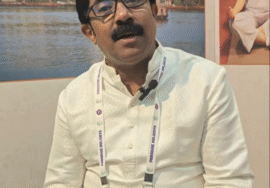
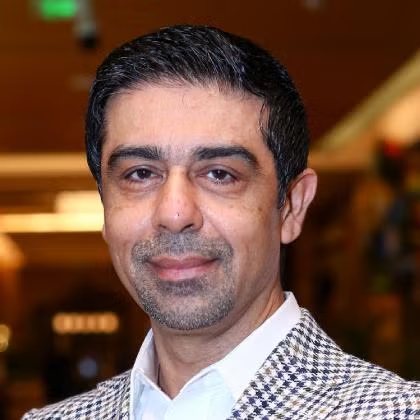
Email interview with Sunny Sodhi, Managing Director, FCM Travel India
1. India’s corporate travel market is entering a structurally different phase of growth. As MD of FCM India, what is the one change you believe FCM must make now to ensure that it captures this growth without simply becoming a larger travel-booking company?
For me, the biggest shift is that we have to grow with our customers and not simply grow the volume of travel we manage.
Indian businesses are expanding rapidly, both domestically and internationally, while multinational companies are also increasing their presence here. As those businesses grow, their travel programmesbecome more complex – more markets, more travellers and greater expectations around cost, visibility, traveller experience and duty of care.
Our role as a TMC must evolve with that. It’s not enough to help a company book more efficiently; we need to help them build a travel programme that can scale with their business and adapt as their needs change.
Our recently renewed partnership with Arcadis is a good example of that approach. After working together for three years, we’ve expanded the relationship into a 10-year partnership covering travel management, Meetings & Events and consulting services across more than 25 countries. That gives us the opportunity to take a much longer-term view of areas such as technology, traveller experience and sustainability.
That’s the kind of growth we’re focused on in India. It’s about building deeper partnerships and becoming more valuable to our customers as their businesses grow, rather than simply processing more transactions.
2. Is the future of FCM India really about selling more travel, or about helping Indian companies make better economic decisions about when, where and why their people travel?
It’s the latter. As business travel continues to grow, companies are becoming much more deliberate about where travel creates value and what they’re getting back from that investment.
GBTA’s latest forecast illustrates that shift quite well. Globally, business travel spending is expected to grow 7.2% in 2026, while the number of trips increases by just 1.3%. That tells us companies are continuing to invest in travel, but they’re also being much more considered about when and why their people need to travel.
That’s particularly relevant in India as more businesses expand internationally. The question isn’t simply, “How do we get someone from Mumbai to Singapore or London?” It’s why they need to be there, how that trip supports the business, and how you make the journey as productive and effective as possible.
For FCM, that means helping customers look at travel as a business investment rather than simply a cost to manage. Technology and data can give them greater visibility and help make travel more efficient, while our people bring the experience and local knowledge to help them navigate complexity.
Ultimately, I think the most valuable TMCs will be those that help businesses get more value from their travel and not just manage the transaction.
“The views expressed in the column are of the author, and may or may not be endorsed by the publication.”
This report is part of TheTravigator’s continuing news coverage of the travel, tourism, aviation, and hospitality sectors. Our editorial team publishes industry news, market insights, partnerships, policy developments, and business updates relevant to the travel trade community. For press releases, partnership opportunities, advertising enquiries, or editorial collaborations, please contact our editorial desk at:
INFO@THETRAVIGATOR.COM