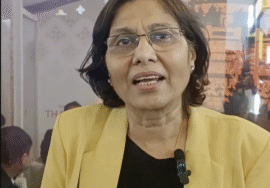

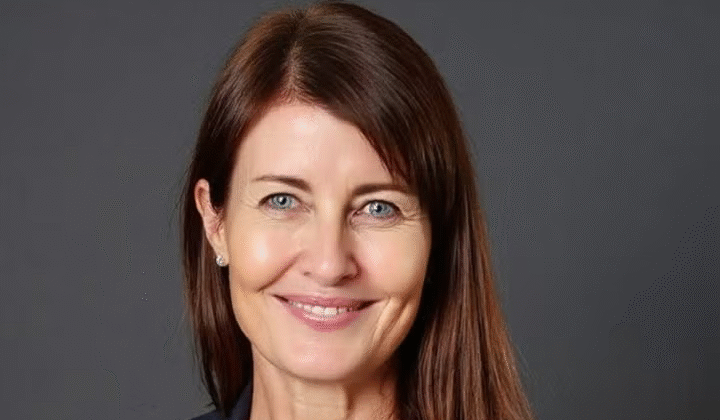
Email interview with Vicki Parris, Managing Director, FCM Travel Asia
1. FCM’s Asia business delivered very strong growth in FY26. What were the biggest factors behind that performance, and how would you characterise the underlying change in corporate travel demand across the region?
One of the biggest things we saw in FY26 was just how resilient business travel remained across Asia. Despite a much more complex operating environment, companies still need to meet customers, build relationships, bring teams together and pursue growth, so travel continues to be an important investment for them.
What has changed is that businesses are looking much more closely at where travel creates value, while also expecting their travel programmes to be much more agile when circumstances change.
We saw a very tangible example of that earlier this year. When disruption in the Middle East affected traditional Australia-Europe routes, businesses adapted rather than simply stopping travel. Our data showed bookings between Australia and Europe via Singapore increased 38% over a two-week period as travellers shifted to alternative routes.
We’re also seeing the role of travel broaden. Meetings & Events was a particularly strong growth area for us in FY26, with our emerging markets accelerating and Southeast Asia and Greater China delivering exceptional growth.
At the same time, customer expectations are rising. Businesses want technology that makes travel simpler and gives them greater visibility, but they also want people who understand their business and the markets they operate in, particularly when things don’t go according to plan.
I think those shifts help explain the momentum we’ve seen in Asia. Businesses are continuing to invest in travel, but they’re expecting much more from that investment and from the partners supporting them.
2. Looking ahead to FY27, which Asian markets and customer segments do you see as the biggest growth engines for FCM? Are you seeing particularly strong demand from multinational corporations, SMEs, technology companies, GCCs or companies expanding internationally?
We see opportunities across Asia, with India, Greater China and Southeast Asia particularly exciting for different reasons. A big part of that opportunity is coming from businesses becoming more international. As companies enter new markets and build teams across borders, their travel requirements become more complex, creating greater demand for consistency, visibility, duty of care and cost control.
FCM is well-placed to help businesses through these phases of growth because of our experience workingwith larger national and multinational organisations. We can combine global capabilities with people who understand the individual markets our customers operate in.
What also makes Asia interesting is that the opportunity looks different from market to market. Some businesses are expanding internationally and need travel programmes that can grow with them, while more established regional and multinational organisations are looking for greater sophistication, flexibility and support. Being able to respond to those different needs is a big part of the opportunity for us.
3. India is increasingly being described as one of the key growth markets within Asia. From a regional perspective, what makes India strategically important to FCM, and how do you see India contributing to FCM Asia’s growth over the next few years?
There’s a lot happening in India that makes it an incredibly exciting market for us. Indian companies are becoming more global, multinational companies continue to invest in the market, and we’re seeing continued growth in areas like technology.
All of that means more movement of people and expertise, both within India and internationally. And as businesses grow, their travel needs naturally become more complex. They want greater consistency and visibility, but they also need the flexibility and local expertise to support their people across different markets.
For FCM, that means the opportunity in India goes well beyond simply managing more travel. As our customers grow, we can support more of what they need across travel management, Meetings & Events and consulting, bringing together our technology with the expertise of our people.
What I find particularly exciting is that the opportunity is coming from both directions. Indian companies are expanding internationally, while global businesses are building increasingly significant operations in India. So when I think about India’s contribution to FCM’s growth in Asia, it’s not just about scale. It’s also about building broader, deeper relationships with customers as their businesses evolve.
4. Meetings & Events appears to be an increasingly important growth area for FCM across Asia. What is driving demand for MICE and experiential travel across Southeast Asia, Greater China and India, and how is the profile of corporate events changing?
Meetings & Events has been one of our strongest growth areas in Asia. What’s interesting is that businesses are becoming more intentional about bringing people together. Hybrid working and geographically dispersed teams haven’t reduced the importance of face-to-face interaction; in many cases, they’ve made those moments more valuable.
At the same time, expectations have changed. Companies increasingly want events to deliver something tangible, whether that’s building culture, strengthening customer relationships, rewarding employees or supporting a broader business objective. There is also much greater emphasis on personalisation and creating memorable experiences.
We’re seeing conversations with clients shift beyond simply organising an event towards the value it creates for their business.
5. AI is rapidly changing the TMC model. How is FCM using AI and Sam in practical terms to improve productivity, traveller experience and the economics of corporate travel? More broadly, do you see AI changing the role of a TMC from a booking and servicing provider into a more strategic corporate travel partner?
For us, AI has moved beyond experimentation and into everyday operations. Sam, our AI-powered digital assistant within FCM Platform, is a good example. In just two weeks, Sam supported more than 14,500 AI-assisted conversations globally across 61 countries and 15 languages, handling requests like itinerary enquiries, destination recommendations and flight searches without consultant input.
That means our travel experts have more capacity to focus on situations where their judgement and experience add the most value. And that’s the model we believe in: AI and human expertise working together.
We’re now also bringing a more intelligent booking experience to customers. Our recently launched conversational booking capability allows travellers to describe what they need and receive personalised options, with Sam able to explain why a particular option has been recommended based on factors such as company policy, usual routing or loyalty preferences. This visibility helps travellers book with confidence, without second-guessing.
This is only the beginning. We’ll continue to expand Sam’s capabilities over time, with the focus on making more of the travel journey seamless while ensuring human expertise is always there when it’s needed.
Capabilities like this will broaden the role of the TMC. As AI removes more friction from searching, booking and servicing, the TMC’s role will increasingly be about bringing together technology, data and human expertise to help businesses manage travel more effectively and navigate disruption when it arises.
6. If you look beyond the headline growth numbers, what is the biggest structural opportunity — and the biggest risk — for corporate travel in Asia over the next three years? What do you think the industry may be underestimating today?
The biggest opportunity is the scale of growth we’re seeing across Asia. Asia Pacific is already the world’s largest business travel region, with businesses here continuing to expand into new markets, build international relationships and connect teams across borders.
What’s interesting is that companies are becoming much more deliberate about that travel. GBTA forecasts global business travel spend to grow 7.2% in 2026, while the number of trips increases by just 1.3%. This indicates that companies aren’t necessarily significantly increasing their travel, but thinking harder about where, why and how they travel, and what they’re getting back from that investment.
The risk is that they’re doing all of this in an environment that’s becoming harder to predict, with rising costs, capacity constraints and unexpected disruptions putting greater pressure on travel programmes.
We know more questions are being asked of TMCs across the industry on the value they can provide travel programmes against this backdrop. For FCM, that means continuing to bring together technology, data and human expertise to help customers make better-informed travel decisions and navigate that complexity.
This report is part of TheTravigator’s continuing news coverage of the travel, tourism, aviation, and hospitality sectors. Our editorial team publishes industry news, market insights, partnerships, policy developments, and business updates relevant to the travel trade community. For press releases, partnership opportunities, advertising enquiries, or editorial collaborations, please contact our editorial desk at:
INFO@THETRAVIGATOR.COM