
BRICS 2026 Positions Tourism as a Bridge Between Emerging Economies
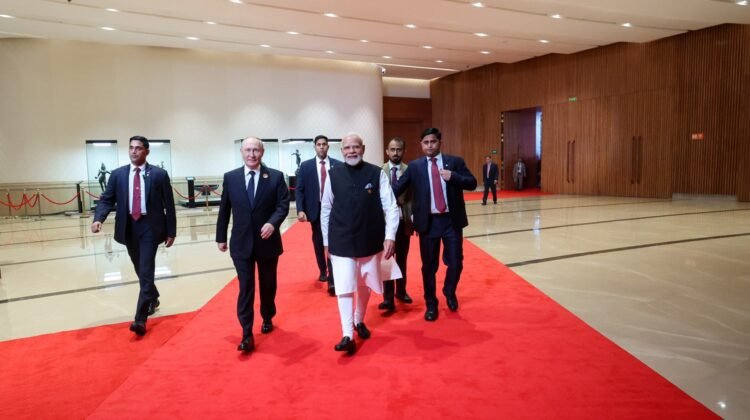
The 18th BRICS Summit, held at Bharat Mandapam in New Delhi on 12–13 September 2026, placed India at the centre of discussions involving some of the world’s most influential emerging economies. Conducted under the theme “Building for Resilience, Innovation, Cooperation and Sustainability,” the summit also carried significant implications for the global travel and tourism industry. BRICS India 2026
With 11 member countries spanning Asia, Africa, the Middle East and Latin America, BRICS represents a vast network of destinations, aviation markets and rapidly expanding traveller populations. Together, its members account for almost half of the world’s population, making deeper tourism cooperation commercially important for airlines, hotels, tour operators and destination-management companies.
India’s presidency highlighted sustainability and people-to-people engagement—two areas closely connected with tourism. Earlier, BRICS tourism ministers met in Jaipur and adopted the Jaipur Declaration, outlining cooperation in areas such as sustainable tourism, digital transformation, skills development and stronger engagement between member countries. Ministry of Tourism
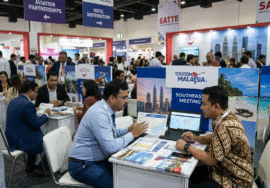
From an industry perspective, the opportunity lies in converting diplomatic cooperation into practical improvements for travellers. Simpler visa processes, additional direct flights, coordinated destination promotion and easier cross-border payments could encourage greater movement within the BRICS network. Joint tourism circuits connecting heritage, nature, wellness, culture and business destinations could also help participating countries reach new source markets.
For India, hosting the summit delivered immediate visibility to New Delhi’s MICE infrastructure while strengthening the country’s position as a destination capable of managing major international gatherings. The wider BRICS calendar also created opportunities for other Indian cities to showcase their culture, hospitality and conference capabilities to international delegates.
The long-term value of BRICS 2026, however, will depend on implementation. Tourism businesses will be watching whether policy discussions translate into better connectivity, simpler travel procedures and measurable commercial partnerships. If that happens, BRICS could evolve beyond a diplomatic grouping into an influential tourism corridor—linking some of the world’s fastest-growing outbound markets with an exceptionally diverse collection of destinations.
This report is part of TheTravigator’s continuing news coverage of the travel, tourism, aviation, and hospitality sectors. Our editorial team publishes industry news, market insights, partnerships, policy developments, and business updates relevant to the travel trade community. For press releases, partnership opportunities, advertising enquiries, or editorial collaborations, please contact our editorial desk at:
INFO@THETRAVIGATOR.COM