
Victoria Falls Border Opens 24 Hours, Strengthening Zimbabwe–Zambia Tourism Connectivity
A major change at one of Southern Africa’s most important tourism gateways could make cross-border travel around Victoria Falls considerably more flexible.
The Victoria Falls border crossing between Zimbabwe and Zambia is now operating 24 hours, creating new possibilities for travellers, tour operators and destination planners building itineraries around the Zambezi region.
The development is particularly significant because Victoria Falls is not simply a standalone attraction.
It is a gateway into a wider Southern African tourism circuit connecting wildlife, adventure, river experiences and luxury safari destinations across neighbouring countries.
Why the Victoria Falls Border Matters
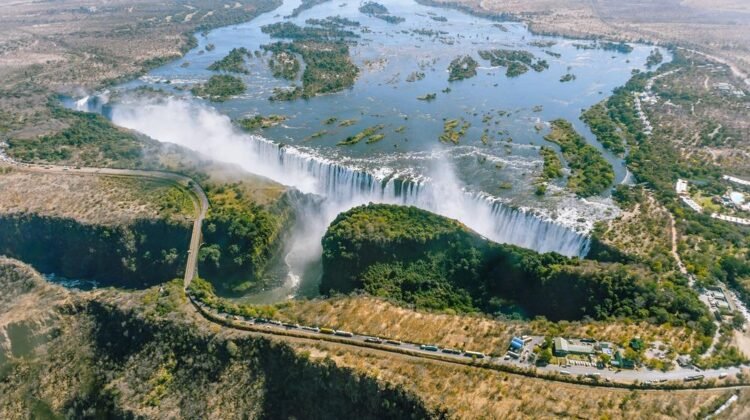
Victoria Falls sits on the border between Zimbabwe and Zambia, with the Zambezi River forming a natural geographic connection between the two countries.
For international travellers, the ability to move between both sides of the Falls can add considerable value to an itinerary.
Previously, border operating hours could influence how tour operators scheduled transfers and cross-border movements.
A 24-hour operation provides greater flexibility.
That flexibility can be particularly useful when international flight schedules, private transfers, safari connections and multi-destination itineraries need to work together.
A Tourism Corridor, Not Just a Border
The significance of the development goes beyond immigration and border administration.
Victoria Falls functions as a tourism hub for the wider region.
Travellers arriving in the area may combine the Falls with safari destinations in Zimbabwe, Zambia, Botswana or other parts of Southern Africa.
Improved border flexibility can therefore support a broader tourism ecosystem.
Hotels, safari operators, transport companies, guides, restaurants and activity providers can all benefit when travellers find it easier to move through the destination.
Zimbabwe and Zambia: Two Sides of One Iconic Destination
Victoria Falls is unusual because the wider waterfall system can be experienced from both Zimbabwe and Zambia.
Each side offers its own perspectives and visitor experiences.
For travellers, crossing the border can therefore be more than a logistical necessity.
It can become part of the destination experience.
The ability to build a journey that includes both sides provides greater choice for itinerary designers and travellers who want a more complete Victoria Falls experience.
What This Means for Safari Itineraries
The biggest potential benefit may be for multi-country safari planning.
Southern Africa is particularly well suited to combination itineraries.
A traveller might begin with Victoria Falls before continuing into a Zimbabwe wildlife destination.
Another itinerary could combine the Falls with Zambia’s safari areas.
A longer luxury journey could extend into Botswana or South Africa.
With more flexible border access, travel planners have another tool for connecting these destinations.
The result is a more fluid regional itinerary rather than a series of disconnected holidays.
A Boost for Luxury Travel
Luxury travel depends heavily on seamless logistics.
High-value travellers typically expect private transfers, carefully timed connections and itineraries that minimise unnecessary waiting.
A 24-hour border operation can provide greater flexibility when planning these journeys.
For example, a traveller arriving late in the region may have more options for onward movement.
Private aviation, transfers, safari camps and luxury lodges can also be incorporated into more complex schedules.
The development therefore has relevance beyond budget-conscious travellers.
It can support the premium end of the tourism market as well.
Adventure Tourism Could Also Benefit
Victoria Falls is one of Africa’s major adventure destinations.
The area supports a range of experiences associated with the Zambezi and the surrounding landscape.
Travellers may combine sightseeing with activities such as river-based experiences, wildlife encounters and other adventure products.
Greater cross-border flexibility could make it easier for visitors to build adventure-focused itineraries across Zimbabwe and Zambia.
This is especially relevant for younger travellers and experiential tourists who are increasingly interested in combining several activities within one trip.
More Opportunities for Tour Operators
The development is also significant from a trade perspective.
Tour operators and destination management companies build itineraries around multiple moving parts.
Transport schedules, accommodation, park access, activities and border crossings all need to align.
When a border has limited operating hours, those hours can become a constraint in itinerary design.
A 24-hour operation potentially removes one of those constraints.
Operators can therefore have greater flexibility when designing arrival, departure and cross-border schedules.
That can become particularly valuable during peak travel periods.
The Wider Southern Africa Connection
Victoria Falls does not exist in isolation.
It sits within a region that contains some of Africa’s most important wildlife and wilderness destinations.
Zimbabwe offers major safari areas.
Zambia is known for its wilderness experiences.
Botswana provides access to destinations such as the Okavango Delta and Chobe region.
South Africa adds major urban, culinary, cultural and wildlife experiences.
The more seamlessly these destinations can be connected, the stronger Southern Africa becomes as a multi-country tourism proposition.
Why Connectivity Is Becoming More Important
Modern travellers increasingly expect destinations to be easy to navigate.
The quality of a holiday is affected not only by the attraction itself but also by everything surrounding it.
Airport transfers.
Border crossings.
Ground transportation.
Check-in procedures.
Connections between destinations.
When these processes become easier, travellers have more time to focus on the experience itself.
For tourism destinations competing internationally, connectivity can therefore become a competitive advantage.
Implications for Destination Management
The 24-hour border operation also highlights the importance of regional cooperation.
Tourism does not stop at national boundaries.
Wildlife ecosystems, rivers and tourism routes frequently cross them.
Visitors may naturally want to experience several countries during the same journey.
Greater cooperation between neighbouring destinations can therefore help create a stronger regional tourism product.
Victoria Falls is a particularly clear example.
The attraction itself is shared geographically, while the surrounding tourism economy extends across national borders.
What Travellers Should Still Check
A 24-hour border operation does not mean travellers should assume that every cross-border requirement has disappeared.
Visa rules, passport requirements, immigration procedures, insurance requirements and transportation arrangements can still vary according to nationality and itinerary.
Travellers should therefore confirm current entry requirements before departure and work with qualified travel professionals when planning complex multi-country journeys.
Operational changes can also occur, so checking current official information remains essential.
The Bigger Tourism Opportunity
The real opportunity created by improved border connectivity is not simply the ability to cross later at night.
It is the possibility of thinking about Victoria Falls as part of a regional tourism ecosystem.
Instead of selling Zimbabwe, Zambia or Botswana as isolated destinations, travel professionals can build journeys around complementary experiences.
Waterfalls.
Wildlife.
Adventure.
Luxury camps.
River journeys.
Conservation.
Culture.
That is the kind of itinerary that can encourage travellers to stay longer and experience more of Southern Africa.
The Verdict
The move towards 24-hour border operations at Victoria Falls is a practical change with potentially significant tourism implications.
For travellers, it can mean greater flexibility.
For tour operators, it can simplify itinerary planning.
For luxury travel designers, it can create more options for seamless multi-country journeys.
And for Zimbabwe and Zambia, it reinforces Victoria Falls’ position as one of Southern Africa’s most important tourism gateways.
The waterfall may remain the headline attraction.
But increasingly, connectivity could become one of the region’s most valuable tourism assets.