
Homestays Are Becoming a Key Pillar of India’s Intercity Travel Future
Homestays Are Becoming a Key Pillar of India’s Intercity Travel Future
Privacy, local experiences, affordability and community-led tourism are moving homestays from the margins of accommodation into the centre of India’s domestic travel economy.
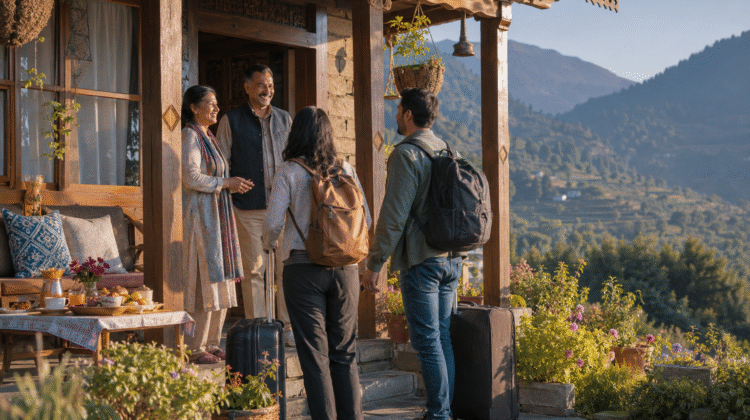
Homestays are no longer a niche accommodation option reserved for backpackers or budget-conscious travellers. In India, they are becoming an important part of the intercity travel ecosystem, particularly as travellers increasingly seek privacy, local experiences and greater value.
A Market Moving Into the Mainstream
The Indian homestay market was valued at approximately USD 450 million in 2024 and is projected to reach USD 1.2 billion by 2030, representing an estimated compound annual growth rate of nearly 18%.
Homestays currently account for around 8–10% of the overall accommodation market, but this share could rise to 20–25% over the next decade.
The growth story in four numbers
2024 Market
The current estimated size of India’s homestay segment.2030 Projection
The market could almost triple within six years.Current Share
Homestays remain a minority of accommodation supply.Future Share
The segment could become a major accommodation pillar.Government Support Is Expanding Supply
Government support is also helping the segment expand. The Ministry of Tourism’s Incredible India Bed & Breakfast scheme has accredited more than 2,500 properties. States such as Kerala, Himachal Pradesh, Uttarakhand and Sikkim are actively promoting homestays as part of their tourism strategies.
Traveller Preferences Have Changed
The post-pandemic shift in traveller preferences has strengthened the segment further. Travellers are placing greater importance on privacy, hygiene and space, while rising international travel costs and visa uncertainties are encouraging more people to explore domestic destinations. Homestays are well positioned to benefit from this growth in intercity travel.
Why Different Traveller Groups Choose Homestays
Safety and Local Guidance
Vetted, family-run properties can offer reassurance and destination support.Space and Flexibility
Kitchens, privacy and common areas can be more practical than several hotel rooms.Longer-Stay Comfort
Quiet surroundings, internet access and flexible stays support workcations.More Than Leisure Accommodation
Travel Trade Demand Is Rising
Travel agents and destination management companies have reportedly seen homestay-related requests for domestic leisure packages rise by 40–50% year-on-year, particularly in Kerala, Coorg, Himachal Pradesh and the Northeast.
Reported Growth in Requests
Domestic leisure enquiries linked to homestays are rising quickly.High-Interest Regions
Kerala, Coorg, Himachal Pradesh and the Northeast are seeing strong demand.India’s Diversity Is the Sector’s Biggest Advantage
India’s geographical and cultural diversity gives the sector a strong foundation. Homestays can operate in locations where large hotels may not be viable, from Kerala’s backwaters and coastal villages to the mountains of Ladakh, Himachal Pradesh and Sikkim.
Accommodation With a Sense of Place
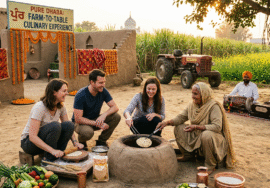
A Pahadi village home, a Konkani coastal property or a tribal house in Ziro Valley can offer a sense of place that conventional accommodation cannot easily replicate.
The Challenges That Must Be Solved
However, challenges remain. Inconsistent standards, limited online visibility, safety concerns, informal payment systems and unclear cancellation policies can affect traveller confidence.
What the Sector Needs Next
Stronger accreditation, verified reviews, background checks, digital payment systems and agent-friendly booking platforms will be essential for the sector’s long-term growth.
Homestays Will Complement, Not Replace, Hotels
Homestays will not replace hotels. Hotels will continue to dominate business travel, large conventions and luxury segments. Homestays, however, are likely to lead in leisure travel to non-metro destinations, slow travel, longer stays, family holidays, corporate offsites and eco-tourism circuits.
Scale and Standardisation
Business travel, large conventions, premium service and high-volume operations.Experience and Flexibility
Non-metro leisure, slow travel, longer stays, family holidays and eco-tourism.The Opportunity for India’s Travel Trade
For India’s travel trade, the opportunity is clear. Agents and DMCs that build portfolios of verified and distinctive homestays can gain a competitive advantage over the next three to five years. The future of intercity accommodation will not be defined by one format, but by a stronger combination of hotels, homestays and experience-led stays.
This report is part of TheTravigator’s continuing news coverage of the travel, tourism, aviation, and hospitality sectors. Our editorial team publishes industry news, market insights, partnerships, policy developments, and business updates relevant to the travel trade community. For press releases, partnership opportunities, advertising enquiries, or editorial collaborations, please contact our editorial desk at:
INFO@THETRAVIGATOR.COM