

Sikkim’s Sustainable Tourism Vision
Sikkim Tourism: The Himalayan Model for Green Growth
A tourism strategy built around biodiversity, environmental safeguards, rural enterprise, digital transformation and community-led development.
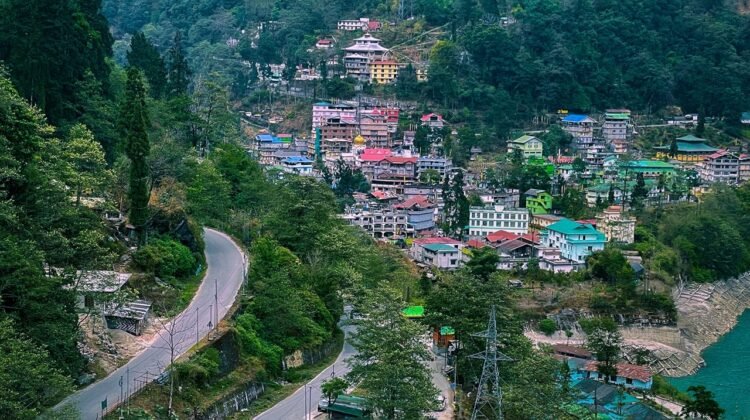
Sikkim is no ordinary mountain state. Covering just 0.2% of India’s landmass, it holds about 26% of the country’s floral biodiversity, making it one of the richest ecological territories in the Himalayas and a natural fit for high-value, low-impact tourism.
Spread across 7,096 sq km, the State combines snow peaks, alpine pastures, conifer forests, temperate oak belts and subtropical sal forests, while its forest cover stands at roughly 47% of its geographical area.
Natural Wealth on an Extraordinary Scale
What makes Sikkim stand out is not just its scenery, but the scale of its natural wealth. The State is home to more than 5,500 flowering plants, 557 orchids, 38 rhododendrons, 1,681 medicinal plants, more than 144 mammals, 568 birds, 689 butterflies and an estimated 7,000 species of moths.
Its landscape also includes 28 mountains and peaks, more than 80 glaciers, 534 high-altitude lakes and wetlands, and over 104 rivers and streams.
Flowering Plants
A remarkable concentration of Himalayan floral diversity.Orchids
One of the State’s strongest botanical attractions.Bird Species
A major asset for nature and birding tourism.Moth Species
Part of Sikkim’s extensive insect biodiversity.Mountains and Peaks
Supporting trekking, adventure and high-altitude experiences.Glaciers
Part of the fragile Himalayan ecological system.Lakes and Wetlands
High-altitude landscapes of ecological and tourism value.Rivers and Streams
Shaping the State’s valleys, villages and natural identity.Sikkim does not need to manufacture beauty. Its tourism challenge is to protect, manage and present its natural wealth responsibly.
A Tourism Strategy Built Around Sustainability
That is exactly where the State’s tourism strategy has been heading. Sikkim has built its brand around sustainable tourism, with policy interventions, digital systems, capacity building and community-led initiatives designed to ensure that growth does not come at the cost of the environment or local culture.
The State’s long-standing environmental safeguards—including restrictions on plastic carry bags, Styrofoam, waste burning and packaged drinking-water bottles at government functions—have strengthened its reputation as India’s cleanest and greenest tourism destination.
Community-Based Rural Tourism at the Core
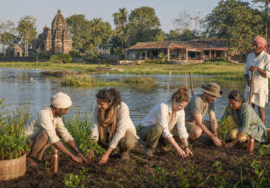
At the heart of this approach is community-based rural tourism. Sikkim’s tourism mission places strong emphasis on homestays, village-level entrepreneurship and locally owned tourism services.
The ongoing Mega Homestay Project is designed around vernacular architecture and cultural authenticity, helping rural households create new livelihood opportunities while giving visitors a more meaningful connection with local communities.
Local Livelihoods
Tourism income is directed toward rural households and host communities.Cultural Identity
Designs draw from Sikkim’s vernacular building traditions.Market Linkages
Local tourism bodies connect directly with domestic and international buyers.Events such as the Sikkim Rural Tourism Meet have created a direct B2B bridge between local tourism bodies and domestic and international operators, including buyers from Bhutan and Nepal.
Digital Transformation of the Visitor Economy
The State is also moving quickly on digital transformation. Platforms such as Athithi GIS, Sikkim Darshan, the Asset Management System, an Online Database of Homestays and online payment systems are improving transparency and ease of doing business.
Upcoming systems for permits and tourism registration are expected to further streamline the visitor journey and make tourism governance more efficient and accountable.
Building a Smarter Tourism Ecosystem
Better Monitoring
Supports more transparent and data-led tourism management.Visitor Information
Improves access to destination and travel services.Ease of Business
Homestays, payments, permits and registration move toward digital processing.Sikkim INSPIRES Skills and Enterprise
Another important lever is the Sikkim INSPIRES programme, launched in March 2024 and supported by the World Bank. The programme is helping train women, youth and rural stakeholders in hospitality, homestay standards and adventure tourism.
Why Sikkim INSPIRES Matters
Inclusive Participation
Creates pathways for women to enter and grow within tourism enterprises.Skills and Employment
Builds practical capabilities in hospitality and adventure tourism.Local Enterprise
Strengthens homestays and community-led tourism businesses.A Himalayan Development Model for the Future
In a State where tourism is being positioned not merely as an industry but as a development model, this integrated approach matters. Sikkim is proving that the most competitive destinations of the future will not be the loudest ones—they will be the most responsible, most authentic and most resilient.