
Etihad Expands Summer Network as Gulf Rivals Reduce Capacity
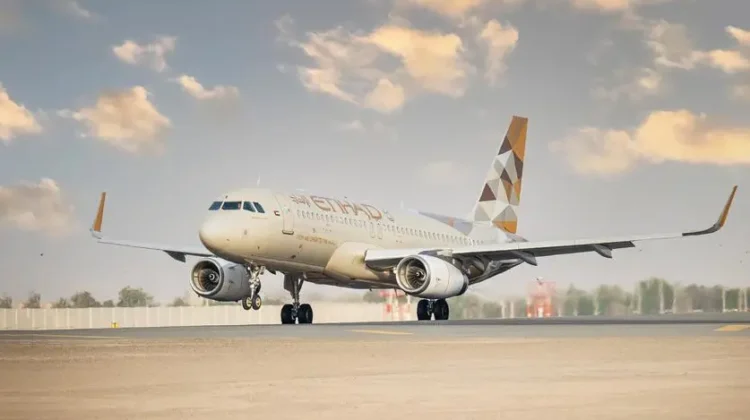
Etihad Airways is taking a different approach to the 2026 summer travel season by expanding its operations while several major Gulf airlines scale back capacity. Through its Etihad Summer Network Expansion, the Abu Dhabi-based carrier will operate 5% more flights than last summer and increase available seat capacity by 4%, reinforcing its long-term growth strategy.
The move comes at a time when changing travel demand and operational planning are prompting other regional carriers to adopt a more cautious approach.
Etihad Strengthens Its Global Network
To support growing passenger demand, Etihad is introducing 14 new routes across Asia, the Middle East, Europe, and North America. The expanded network includes new services to Hong Kong, Hanoi, Dhaka, Charlotte, Kabul, Damascus, and Madinah, further strengthening Abu Dhabi’s position as an international aviation hub.
The airline will also operate flights to 15 destinations that are not currently served by either Emirates or Qatar Airways, giving travellers additional connectivity options and helping Etihad differentiate its route network.
Gulf Rivals Reduce Summer Capacity
While Etihad is expanding, other leading Gulf carriers are reducing their summer schedules. Emirates is operating 12% fewer flights compared to last summer, while Qatar Airways has reduced frequencies by 16%.
The contrasting strategies reflect different approaches to fleet deployment, network optimisation, and seasonal demand. Etihad’s expansion positions the airline to capture additional market share as passenger traffic continues to recover across key international markets.
Fleet Growth Supports Long-Term Expansion
A major factor behind Etihad’s growing network is its ongoing fleet expansion. The airline received 19 new aircraft during 2025, significantly increasing operational capacity.
Its growth momentum is expected to continue with eight additional aircraft scheduled for delivery in 2026, followed by 17 aircraft in 2027 and 21 more in 2028. These deliveries will support further route launches, improved connectivity, and greater operational flexibility over the coming years.
Building a Stronger Global Presence
Etihad’s latest expansion highlights its ambition to strengthen Abu Dhabi’s role as a global aviation gateway while responding to increasing international travel demand. By investing in new aircraft, expanding its destination network, and entering underserved markets, the airline is positioning itself for sustained growth in an increasingly competitive aviation landscape.
As global travel continues to recover, Etihad’s strategy demonstrates how airlines can use network expansion and fleet modernisation to enhance passenger choice and support long-term business growth.
Stay informed with The Travigator for the latest airline news, aviation trends, airport developments, and global travel industry updates.