
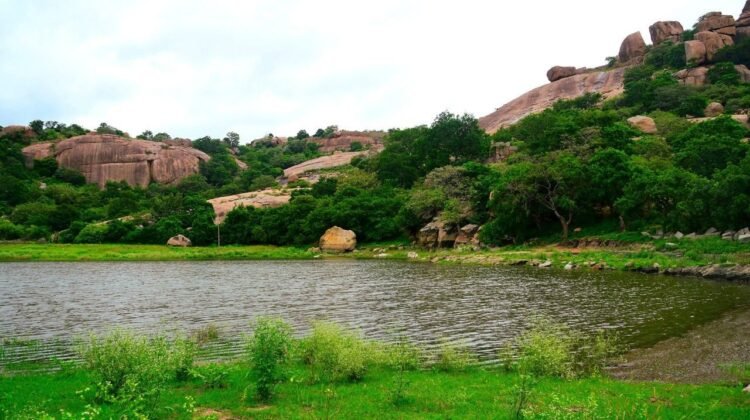
Telangana in Stone and Spirit: Forts, Temples and Living Traditions
Telangana’s heritage is written across granite fortresses, Kakatiya temples, riverside shrines and festivals that continue to bring communities together. Its history is not confined to monuments; it remains visible in rituals, food, architecture and cultural gatherings.
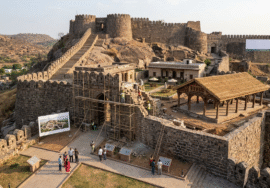
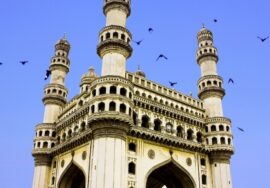
Golconda Fort in Hyderabad provides a powerful beginning. The monumental granite fortress is known for its remarkable acoustics, royal halls and panoramic views. Nearby, the city’s lakes, old neighbourhoods and Deccani traditions show how Telangana’s historical identity continues to exist alongside modern urban life.
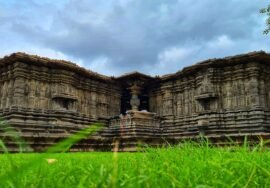
The legacy of the Kakatiya period can be seen at the Thousand Pillar Temple in Hanamkonda, with its intricately carved pillars, star-shaped plan and monolithic Nandi. At Mulugu, the thirteenth-century Ramappa Temple stands as another important example of Telangana’s architectural heritage and was inscribed as a UNESCO World Heritage Site in 2021.
Bhongir Fort rises dramatically from a monolithic hill, while Domakonda Fort combines a seventeenth-century fortification with a palatial residence, moat and temple complex. Koilkonda Fort and Khilla Ghanpur offer hilltop views and trekking routes, while Gandhari Khilla stands amid dense forests, attracting hikers and history enthusiasts.
The state’s lesser-known heritage is equally compelling. Kolanupaka Jain Temple is a 2,000-year-old sacred site featuring a five-foot jade idol of Mahavira. Dhulikatta Buddhist Stupa preserves the remains of a second-century BC monastery, while the ruins at Manthani reflect an older layer of Hindu and Vedic heritage along the Godavari.
Pilgrimage adds another dimension to the journey. Alampur Jogulamba Temple is one of the Shakti Peethas, while Yadagirigutta is dedicated to Lord Narasimha. Bhadrachalam’s riverside Sita Ramachandraswamy Temple is associated with Lord Rama, and Basara Gnana Saraswati Temple is visited by students seeking the blessings of the goddess of learning.
Keesaragutta, Kondagattu Anjaneya Swamy Temple, Chilkur Balaji Temple and Neelakanteshwar Temple further extend Telangana’s spiritual circuit. Each site carries its own traditions, architectural character and connection with local communities.
The state’s cultural life reaches its most vibrant expression through festivals. Sammakka Saralamma Jatara in Mulugu brings millions together for tribal rituals and spiritual celebrations. Nagoba Jatara reflects Gond traditions, while the Deccan Festival presents qawwalis, mushairas, crafts and local food. Lumbini Festival highlights Telangana’s Buddhist heritage, and Peerla Panduga reflects the region’s spirit of cultural inclusivity.
Food completes the experience. Hyderabadi biryani, sarva pindi, spicy kodi kura and tangy pachi pulusu introduce visitors to Telangana’s bold culinary identity.
From forts and temples to festivals and food, Telangana offers a heritage journey that is both historic and alive.
This report is part of TheTravigator’s continuing news coverage of the travel, tourism, aviation, and hospitality sectors. Our editorial team publishes industry news, market insights, partnerships, policy developments, and business updates relevant to the travel trade community. For press releases, partnership opportunities, advertising enquiries, or editorial collaborations, please contact our editorial desk at:
INFO@THETRAVIGATOR.COM