The Sustainable & Responsible Trade: Why Uttar Pradesh Is Rewriting India’s Tourism Playbook
Uttar Pradesh is no longer just a pilgrimage economy. The state is quietly building a sustainability framework that trade operators cannot afford to ignore.
The Policy Signal
Heritage tourism units now receive 30% capital subsidy, 100% stamp duty exemption, and 5% interest subsidy. Fifteen heritage properties certified so far, representing ₹588.21 crore in investment. The state’s 2047 vision targets tourism employment rising from 1.4% to 5% of total workforce.
The Dudhwa Template
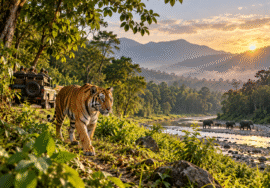
The most instructive project is BVG India Resort at Chandan Chowki—five acres near Dudhwa National Park, operational by March 2026. The design speaks volumes: dedicated space for Tharu tribal women’s handicrafts, organic horticulture areas, low-impact construction that blends into forest surroundings. Chairman Hanmantrao Gaikwad’s framing is precise: “tourism must respect nature and create opportunities for local communities.”
Rural Scale
The rural tourism target has expanded to 234 villages, with 52 completed. Some 1,920 homestays identified; 920 operational on NIDHI portal. Over 2,200 women trained in crafts—Munj, Chikankari, bamboo, pottery. Alwara Lake in Kaushambi gets ₹4.4 crore for floating meditation centre and bamboo cottages.
The Trade Takeaway
Sustainability here is not a marketing slogan—it’s a procurement criterion. Community benefit clauses are being written into PPP agreements. Operators bidding on UP products should verify: Does the property employ local guides? Does revenue stay within the village? The ESOI certification framework exists for exactly this purpose. The state is building the infrastructure. The trade must build the standards to match.
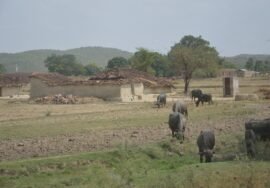
Featured photograph: Swamp deer in Dudhwa National Park. Abhishek Shastri / Wikimedia Commons, CC BY-SA 2.0.