Beyond the Beaten Track: Uttar Pradesh Takes Rural and Craft Tourism to the Next Level
From village-based experiences and beekeeping visits to traditional pottery workshops, Uttar Pradesh is exploring how local livelihoods and cultural identity can become compelling tourism products. For the travel trade, the opportunity lies in turning these grassroots experiences into bookable journeys with lasting community benefits.
The next compelling travel experience may not begin at a monument or a luxury hotel. It could start in a village, beside a beekeeper explaining the journey from hive to honey, or in a pottery workshop where an artisan transforms local clay into a finished piece of craftsmanship.
For Uttar Pradesh, such experiences offer a way to broaden the state’s tourism proposition beyond its established pilgrimage centres and historic cities. Rural tourism and craft-led itineraries can introduce visitors to local traditions, create opportunities for community enterprises and encourage travellers to explore destinations that rarely feature in conventional tour packages.
The state’s Tourism Policy 2022 provides a framework for this ambition, envisaging 75 model themed tourism villages or clusters built around local identities, experiences and community businesses. The opportunity for the travel trade is significant, but the distinction between policy targets and completed destinations remains essential.
Eighteen Villages, One Broader Vision
A Union Ministry of Tourism parliamentary answer dated 27 March 2023 identified 18 villages in Uttar Pradesh for rural tourism. The locations included Tarapur in Varanasi, Kathvaara in Lucknow, Chandan Chowki in Lakhimpur Kheri, Barua Sagar in Jhansi and Devgarh in Lalitpur.
Their geographical and cultural diversity offers potential for varied itineraries, from village encounters and regional heritage to craft traditions and agricultural experiences.
For tour operators, these locations could help create journeys that connect established attractions with smaller communities, encouraging longer stays and a more distributed visitor economy. Yet identification on an official list is a starting point, not a guarantee of visitor readiness. Accommodation, sanitation, transport, trained local hosts, visitor information and consistent service standards all influence whether a village can support commercial tourism.
The business opportunity therefore lies not simply in promoting destinations, but in helping make them accessible, bookable and capable of delivering reliable experiences.
Where Agriculture Becomes an Attraction
One documented example offers a practical glimpse of how this model can work. The Uttar Pradesh Eco-Tourism Development Board has recorded an educational visit to the Madhumakkhi Wala centre in Rajauli, Barabanki.
The beekeeping centre provides a setting for visitors to learn about honey production and agricultural enterprise. Such experiences can appeal to school groups, families, educational tours and travellers seeking closer engagement with rural livelihoods.
For travel businesses, working agricultural enterprises can provide authentic programming without requiring every experience to depend on a newly constructed visitor attraction. With appropriate visitor management, safety arrangements and local participation, these activities can become useful additions to regional itineraries.

The commercial value, however, should be measured alongside community benefit. Local hosts and producers need meaningful opportunities to earn from demonstrations, guiding, refreshments and the sale of their products.
Craftsmanship as a Travel Experience
The craft economy offers another route into rural and cultural tourism. Incredible India describes pottery workshops in Chunar where visitors can observe artisans and explore locally produced ceramics.
For itinerary designers, a workshop visit can transform a sightseeing stop into a participatory experience. Travellers gain insight into materials, techniques and regional identity, while artisans have an opportunity to present their work directly to potential customers.
Such encounters can also create scope for curated shopping, demonstrations and small-group cultural programmes. Their success depends on fair compensation, respect for working practices and avoiding the reduction of living traditions to staged performances.
Measuring Progress Beyond the Target
Uttar Pradesh has established a policy ambition, identified rural destinations and documented examples of agricultural learning and craft-based visitor experiences. What remains unclear is the extent to which these initiatives have translated into completed village tourism infrastructure, sustained visitor numbers and measurable gains in community income.
The 75-village target should therefore be treated as a policy commitment rather than a verified count of operational destinations. A consolidated assessment of completed clusters, participating enterprises, employment generated and income retained locally would provide a clearer picture of progress.
For the travel trade, the next step is to build partnerships with communities, verify facilities and develop experiences that can be sold responsibly throughout the year.
Rural tourism succeeds when visitors leave with more than photographs—and communities gain more than passing attention. Uttar Pradesh’s challenge is to turn the richness of its villages and crafts into dependable tourism products while ensuring that the people who sustain these traditions share meaningfully in the returns.
#UttarPradeshTourism #RuralTourism #CraftTourism #CommunityTourism #AgriTourism #ChunarPottery #ResponsibleTravel
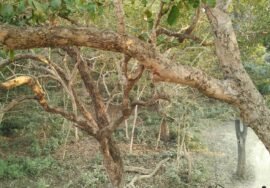
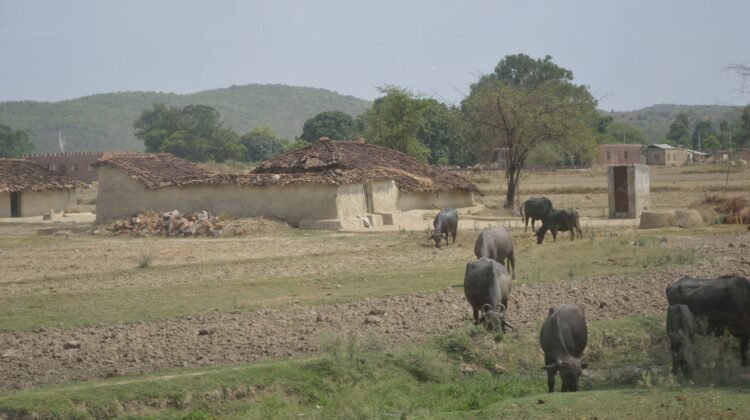
Featured photograph: Village landscape in Chitrakoot, Uttar Pradesh. Biswarup Ganguly / Wikimedia Commons, Attribution 3.0 Unported. Resized for web.