Oman: Where Timeless Heritage Meets Mountains, Wadis and Desert Adventures
Oman the Gulf destination that swaps skyscraper spectacle for wadis, forts, frankincense and an easy, deeply human travel rhythm that Indian travellers are increasingly noticing. Oman works because it feels authentic without being difficult—a country where mountain roads, desert camps and old souqs sit comfortably beside modern hotels and polished airport access.
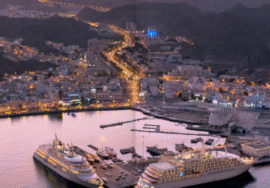
The first thing Oman gives you is space—wide roads, wide skies and a quieter kind of luxury. In Muscat, the mood is graceful rather than showy: the Sultan Qaboos Grand Mosque, Mutrah Corniche and Mutrah Souq still define the capital’s appeal because they offer a clear, immediate sense of place, from marble and minarets to the scent of frankincense and cardamom coffee. For Indian travellers, that makes Oman feel refreshingly unforced, a destination where the pace is slower and the details matter more.
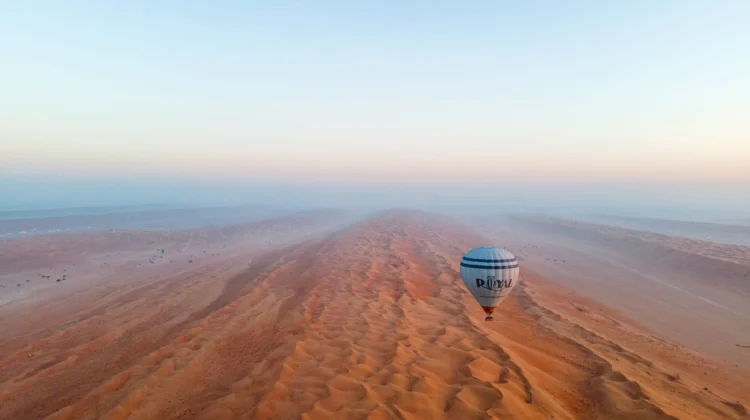
The country’s iconic pull is its landscape. Nizwa Fort and Bahla Fort bring heritage into focus, while Wadi Shab, Wadi Bani Khalid, Wahiba Sands, Jebel Shams and the Bimmah Sinkhole turn the itinerary into a moving canvas of mountain, water and desert. These places remain iconic because they are not just photo stops; they are lived-in environments where local guides, village markets and roadside tea stalls become part of the experience.
Emerging favourites are broadening Oman’s appeal. Salalah is gaining more attention for its green monsoon season, while the coastal lagoons around Bandar Al Khairan and the quieter beach stretches near Sifah are drawing travellers who want nature, kayaking and soft adventure without heavy crowds. Oman’s USP is precisely that mix: a destination that feels wild, safe and culturally grounded at the same time.
The everyday culture is warm and understated. Omanis often welcome guests with dates and kahwa, and local life is visible in souqs, fishing harbours, fort towns and roadside stalls selling halwa, spices and silverwork. A conversation with a shopkeeper in Nizwa, a dhow ride on the coast or a night in a desert camp offers the kind of immersive travel Indian audiences increasingly seek.
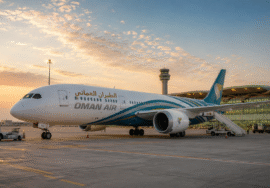
For Indian travellers, practical planning is straightforward Muscat is only a short flight from key Indian cities, and Oman is well suited to self-drive road trips if you are comfortable with long scenic stretches. Travellers should dress modestly in public places, carry water for outdoor excursions and plan mountain and wadi visits with weather in mind.
Safety is generally strong, but responsible travel still matters. Follow local dress norms, respect religious spaces, avoid risky swimming in wadis after rain and stay updated on weather and road conditions. Oman’s official travel image is one of calm and order, and most journeys become memorable because the country invites travellers to slow down, not because it demands caution.
B2B industry take
Oman is a compelling upsell market for Indian outbound trade because it sits between beach, heritage and soft-adventure tourism with a lower-clutter value proposition than larger Gulf destinations. For agents, the strongest product angles are short breaks, self-drive itineraries, nature-led premium travel and culturally rich FIT packages that can be sold with clear seasonality and strong experiential storytelling.
This report is part of TheTravigator’s continuing news coverage of the travel, tourism, aviation, and hospitality sectors. Our editorial team publishes industry news, market insights, partnerships, policy developments, and business updates relevant to the travel trade community. For press releases, partnership opportunities, advertising enquiries, or editorial collaborations, please contact our editorial desk at:
INFO@THETRAVIGATOR.COM