Luxury & Ultra-Luxury: The Indian Summer of 2026
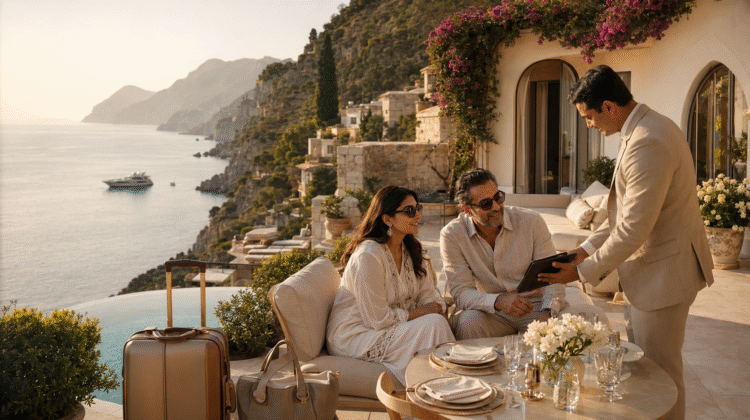
Luxury travel for affluent Indian travellers has become less about sightseeing and more about status, privacy, and access. The modern luxury itinerary is built around exceptional hotels, strong spa offerings, secluded transfers, fine dining, and the kind of reservations that are hard to secure and impossible to fake. In other words, scarcity has become the new luxury currency. Mediterranean hotspots such as Sardinia, the Amalfi Coast, Ibiza, and Saint-Tropez are increasingly attractive because they combine glamour with a highly curated lifestyle experience. The destination is only part of the story; the real product is how seamlessly it can be accessed and enjoyed.
This segment is also being shaped by family influence. Affluent households, often in the 35-60 age bracket, are travelling together, but the trip decisions are increasingly affected by younger family members who are inspired by social media, peer culture, and aspirational brands. That is changing how luxury travel is sold. The best itinerary is no longer the most expensive one; it is the one that feels intelligently assembled, highly personal, and socially relevant.
For B2B sellers, standard package logic no longer works here. Luxury clients expect privileged access, private movement, and tailored storytelling that reflects their lifestyle, not just their budget. Restaurants, beach clubs, designer retail, and private experiences can matter as much as the hotel itself. Luxury travel is becoming a service architecture, not a product category.