

Indian Tourists Return to Nepal in Record Numbers as New Travel Trends Reshape the Market
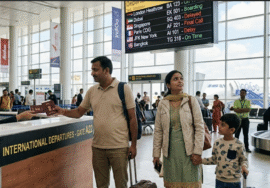
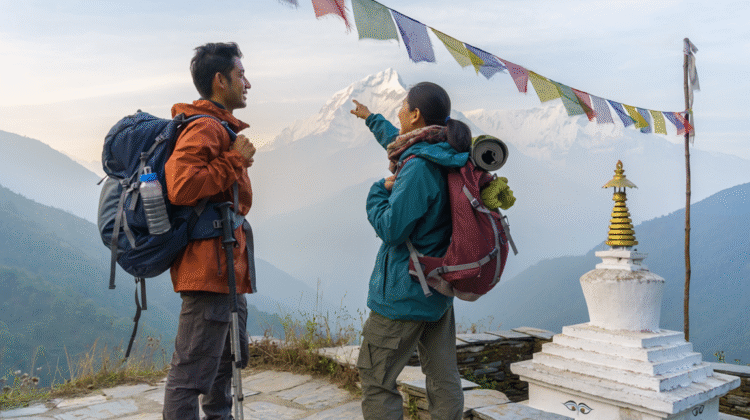
After several years of disruption from political tensions, natural disasters, aviation incidents and elevated fares, Indian tourists are returning to Nepal in record numbers, providing renewed optimism for a sector working to restore momentum.
In May, Nepal recorded a monthly high of 40,782 Indian arrivals by air, according to the Nepal Tourism Board — a 32.7 percent increase year‑on‑year. The surge underscores a clear recovery in Nepal’s largest source market.
India is rapidly expanding as an outbound market more than 30 million Indians travel abroad each year, and the monetary value of the country’s outbound travel market is projected to nearly triple over the next decade. Tourism stakeholders in Nepal say that even a modest increase in the country’s share of this growth would deliver substantial economic benefits.
Industry observers attribute the recent rise in arrivals to a confluence of policy reforms, enhanced connectivity and evolving preferences among Indian travellers. In January, Kathmandu lifted its decade‑long restriction on high‑denomination Indian currency notes; digital payment platforms and QR‑code transactions have also become widely accepted across Nepal. Together, these measures have enhanced convenience for Indian visitors.
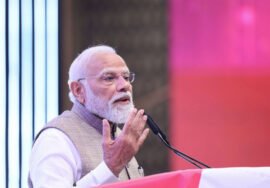
Domestic policy signals in India have also influenced travel patterns. Prime Minister Narendra Modi’s May appeal urging citizens to limit discretionary overseas spending and foreign weddings intended to reduce foreign currency outflows appears to have encouraged some Indians to prioritise neighbouring destinations such as Nepal.
Religious tourism has been another significant driver. The Kailash‑Manasarovar pilgrimage, suspended for five years, resumed last year following improved India‑China relations. China has allocated a quota of 24,000 Indian pilgrims via Nepal this year, up from 20,000 last year, yet demand has already exceeded 40,000. Pilgrimage operators report sharp increases in inquiries, driven in part by the Chinese Year of the Horse, which is regarded in Tibetan Buddhist tradition as an especially auspicious year for undertaking the kora around Mount Kailash.
Affordable air travel is also making Nepal more competitive. Tour operators note that return fares from New Delhi to Kathmandu are currently available for approximately Rs 15,000, rendering Nepal an attractive and cost‑effective option relative to many other international destinations despite high aviation fuel prices.
“Nepal offers a unique combination of convenience and affordability,” said Mani Raj Lamichhane, director of the Nepal Tourism Board.
Taken together, policy easing, digital payment adoption, religious pilgrimage revival and competitive airfares have contributed to a marked resurgence in Indian arrivals — a trend that could yield sizable economic gains for Nepal if sustained.
This report is part of TheTravigator’s continuing news coverage of the travel, tourism, aviation, and hospitality sectors. Our editorial team publishes industry news, market insights, partnerships, policy developments, and business updates relevant to the travel trade community. For press releases, partnership opportunities, advertising enquiries, or editorial collaborations, please contact our editorial desk at:
INFO@THETRAVIGATOR.COM