

Major Acquisition Validates the Market
Major Acquisition Validates the Market
1. Technology & Startups: The Rise of “Nappr”
The startup ecosystem is aggressively backing microstays. A standout is Nappr, which pitched at the Travel Technology Association’s “Start-Up & Investor Connect” event in Washington, D.C. on June 4, 2026.
- What they do: A digital marketplace for 2 to 12-hour hotel stays at major brands, customized specifically for travelers facing layovers, delays, or exhaustion.
- Key Stats: They have successfully completed nearly 3,000 bookings and are scaling inventory across 35 countries.
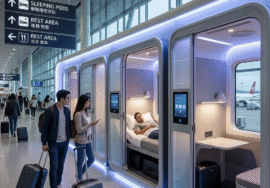
- Future Vision: Transitioning directly into the infrastructure layer via airport-based sleep pods.
- Recognition: Nappr was formally voted by angel and seed investors as having the “most innovative solution to a real challenge” during the event.
2. Market Growth & Demand
The demand for microstays is accelerating globally due to structural transformations in work profiles and multi-leg transit patterns.
| Market Factor | Global Indicators & Scale |
|---|---|
| Shift in Traveler Behavior | Post-pandemic data highlights that demand for micro-stays has surged by nearly 40%, fueled by remote work structures and the demand for quick private spaces. |
| Global Market Size | The global day-use hotel platform ecosystem has expanded to a valuation of $2.65 billion USD as of 2024. |
| Major Players Scaling | Platforms like Dayuse.com now partner with over 9,000 hotels worldwide, while BYHOURS opens blocks across 4,000+ properties (including Hilton, Hyatt, and Sheraton) for tight windows of 3, 6, or 24 hours. |
3. New Regional Entrants: Middle East Expansion
The microstay structural model is aggressively mutating into alternative geographic footprints:
- Stayhopper (UAE): Launched as the premier distinct “Microstay” infrastructure concept in the UAE. The system enables rolling reservations from 3 hours up to a full year (monthly recurring arrangements), proving that the pay-per-time model is expanding beyond tight transient blocks into maximum long-term flexibility.
4. The Operator’s Challenge: Profitability & Automation
While macro consumer demand is booming, hoteliers face an intense structural friction point: “Operational Density” (the absolute volume of administrative tasks required to materialize baseline revenue).
The Operational Overhead Headwind
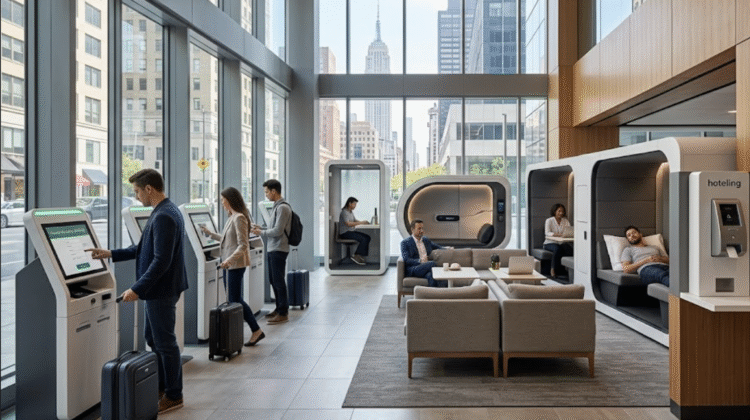
The Problem: Back in 2023, a single front-desk check-in routine might have captured a full $1,000 yield. In 2026, it frequently takes three separate check-ins to squeeze that exact same revenue target out of a single room asset, yet processing overheads per transaction remain flat if check-ins remain un-automated.
The Solution: Deploying high-velocity automation engines. Industry experts openly state that to survive the 2026 microstay margin squeeze, operators must automate identity verification, digital key access, and housekeeping task scheduling. Without these workflows, transactional overhead could outpace core revenue growth by 12% before the end of 2026.
5. Key Drivers of the Trend
Younger customer demographics (specifically Gen Z and Millennial pools) completely reject covering full overnight tariffs when they exclusively require a micro-window for an ongoing flight layover, a mid-day corporate break, or a fast rest cycle between business meetings.
Asset owners are recognizing that midday daytime occupancy floors (which traditionally hover near an underutilized 50% inventory level) represent a massive, untapped optimization margin that runs smoothly without cannibalizing premium overnight booking channels.