

AirAsia’s Ruthless Fleet Pivot: The A220 Reshaping Regional Economics
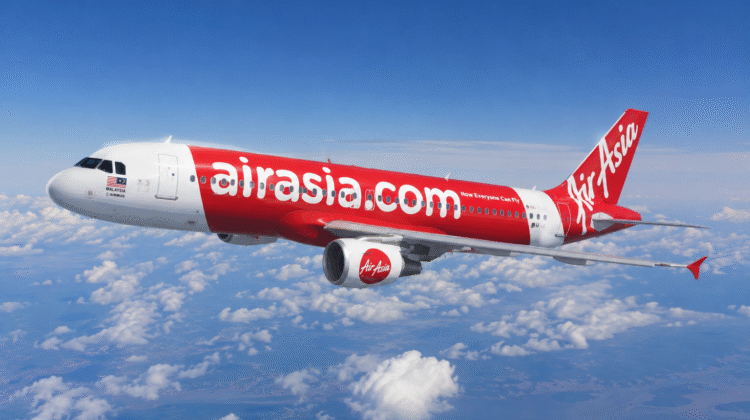
In early May 2026, AirAsia executed a monumental, aggressive pivot that is violently reshaping regional aviation economics. By placing a firm order for 150 Airbus A220s, the airline has become the global launch customer for a high-density, 160-seat configuration. This is not a mere fleet update, it is a strategic strike designed to dominate high-yield, thin-route markets that legacy carriers simply cannot serve profitably.
Tony Fernandes is phasing out heavier aircraft to engineer the world’s first true “low-cost network carrier”. By weaponising fleet efficiency, AirAsia is now capable of connecting secondary and tertiary cities with the frequency of a bus service. For the Indian market, this means more direct, point-to-point connections from Tier-2 Indian cities to Malaysian hubs, bypassing the high costs and delays associated with traditional wide-body operations.
B2B Fraternity Takeaway & Industry Analysis
- The Thin-Route Monopoly: AirAsia is capturing markets that legacy carriers have abandoned. Agents should look for new, direct point-to-point connectivity between secondary Indian and Malaysian cities.
- High-Density Margins: The 160-seat A220 allows for lower fare floors while maintaining higher yields. This provides a massive pricing lever for agents to move large volumes of mid-market travellers.
This report is part of TheTravigator’s continuing news coverage of the travel, tourism, aviation, and hospitality sectors. Our editorial team publishes industry news, market insights, partnerships, policy developments, and business updates relevant to the travel trade community. For press releases, partnership opportunities, advertising enquiries, or editorial collaborations, please contact our editorial desk at:
INFO@THETRAVIGATOR.COM