Odisha’s Tourism Reset: From Hidden Gem to Global Contender
Odisha’s Tourism Reset: From Hidden Gem to Global Contender
With land banks, investor-friendly incentives, waterfront regeneration and a sharper focus on niche experiences, Odisha is mounting an ambitious bid to become one of Asia’s leading eco-cultural tourism destinations.
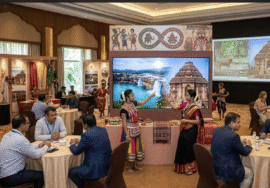
Odisha is no longer content to be India’s best-kept tourism secret. Under the larger vision of Viksit Odisha 2036 and 2047, the state is undertaking a broad-based transformation designed to move tourism from a promising sector to a major engine of investment, employment and global visibility.
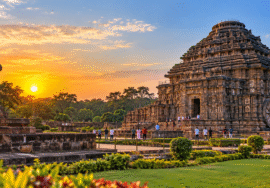
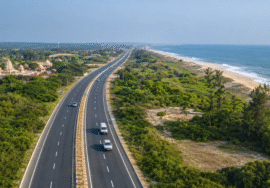
At the heart of the strategy is a problem familiar to destinations worldwide: creating an ecosystem where investors can actually build. The proposed Tourism Land Bank, backed by an allocation of ₹1,500 crore over five years, aims to identify and develop around 5,500 acres across destinations including Chilika, Konark, Puri and the Buddhist circuit. By making land infrastructure-ready, Odisha hopes to unlock hotel, resort and convention-centre development at scale.
Making land infrastructure-ready
The proposed Tourism Land Bank aims to create the conditions for hotel, resort and convention-centre development across some of Odisha’s most important tourism corridors.
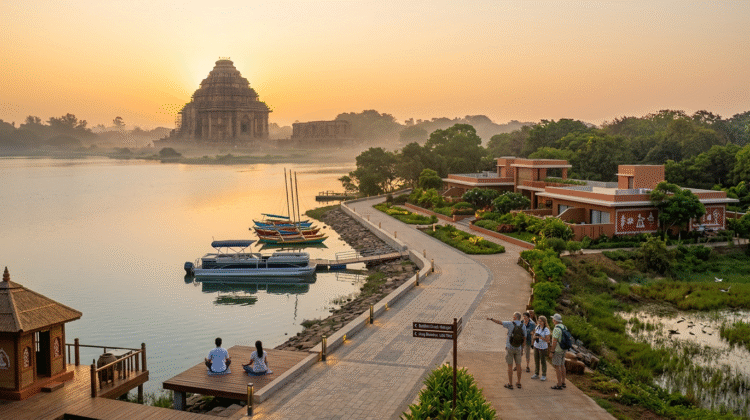
The investment story is being strengthened further by the ₹500-crore Waterfront Development Scheme, which seeks to transform riverfronts and urban water bodies into attractive, sustainable spaces for residents and visitors alike.
Policy Reform as a Tourism Growth Lever
Policy reform is another major lever. The Odisha Tourism (Amendment) Policy, 2026 lowers the minimum room requirement for three-star hotels from 50 to 10, potentially widening participation for smaller hospitality entrepreneurs. Capital Investment Subsidies of up to 40 per cent in Special Tourism Zones, alongside incentives for museums, pre-1950 heritage properties, electric mobility tourism and electric boats, signal a deliberate push towards differentiated and sustainable tourism infrastructure.
Lower Entry Barrier
The minimum room requirement for three-star hotels is being reduced from 50 to 10, potentially widening participation for smaller hospitality entrepreneurs.
Capital Incentives
Capital Investment Subsidies of up to 40 per cent in Special Tourism Zones are designed to strengthen the investment proposition.
Heritage & Culture
Incentives for museums and pre-1950 heritage properties support a more differentiated tourism infrastructure.
Sustainable Mobility
Electric mobility tourism and electric boats are being brought into the state’s wider tourism infrastructure strategy.
From Temples and Beaches to a Wider Experience Economy
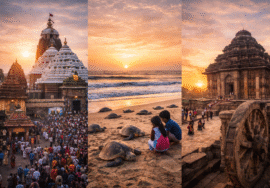
The product strategy is equally ambitious. Odisha is expanding beyond its established temple and beach credentials into spiritual, Buddhist, culinary, MICE, events and community-based tourism. A proposed partnership around Jirang monastery—Odisha’s “Little Tibet”—could give fresh international visibility to the Ratnagiri-Udayagiri-Lalitgiri-Jirang Buddhist circuit, with meditation and monastic immersion experiences adding depth to the itinerary.
Spiritual Tourism
Building beyond established temple credentials into deeper spiritual experiences.
Buddhist Circuit
Ratnagiri-Udayagiri-Lalitgiri-Jirang, including meditation and monastic immersion.
Culinary Tourism
Bringing authentic Odia cuisine to major domestic markets.
MICE & Events
Conferences, destination weddings and sporting events create new demand windows.
Community Tourism
Homestays are being positioned to bring communities into the tourism economy.
Waterfronts
Riverfronts and urban water bodies are being repositioned as sustainable visitor spaces.
Culinary tourism is receiving dedicated attention, including support for authentic Odia restaurants in major markets such as Delhi, Mumbai and Bengaluru. Homestays are being positioned to bring communities into the tourism economy, while destination weddings, conferences and sporting events are opening new demand windows. The OMC Puri Coastal Marathon, scheduled for December 2026, illustrates the ambition to use major events as destination-marketing platforms.
The Scale—and the Untapped Opportunity
The numbers provide compelling context. Odisha welcomed more than 1.13 crore tourists in 2024–25, representing roughly 14 per cent annual growth. Yet international visitors remain a relatively small share—arguably the state’s biggest untapped opportunity.
Roughly annual tourism growth, against a base of more than 1.13 crore tourists in 2024–25.
International visitors remain a relatively small share, leaving a significant opportunity for Odisha’s global tourism proposition.
The new brand proposition captures the shift in ambition. The next challenge is converting policy momentum into globally visible, bookable and consistently delivered experiences.
If Odisha can bridge that final gap, its transformation from hidden gem to global tourism contender may no longer be a vision—it could become one of India’s most significant destination success stories.
EDITORIAL NOTE — THETRAVIGATOR.COM
This report is part of TheTravigator’s continuing news coverage of the travel, tourism, aviation, and hospitality sectors. Our editorial team publishes industry news, market insights, partnerships, policy developments, and business updates relevant to the travel trade community. For press releases, partnership opportunities, advertising enquiries, or editorial collaborations, please contact our editorial desk at:
INFO@THETRAVIGATOR.COM
This report is part of TheTravigator’s continuing news coverage of the travel, tourism, aviation, and hospitality sectors. Our editorial team publishes industry news, market insights, partnerships, policy developments, and business updates relevant to the travel trade community. For press releases, partnership opportunities, advertising enquiries, or editorial collaborations, please contact our editorial desk at:
INFO@THETRAVIGATOR.COM