Drones in Tourism: From Aerial Storytelling to Smarter Operations
Drones are reshaping travel, tourism, and hospitality by turning destinations into experiences before the guest even arrives, while also improving operations behind the scenes. we have covered both sides the creative promise of aerial storytelling and the operational discipline needed for safe, lawful use.
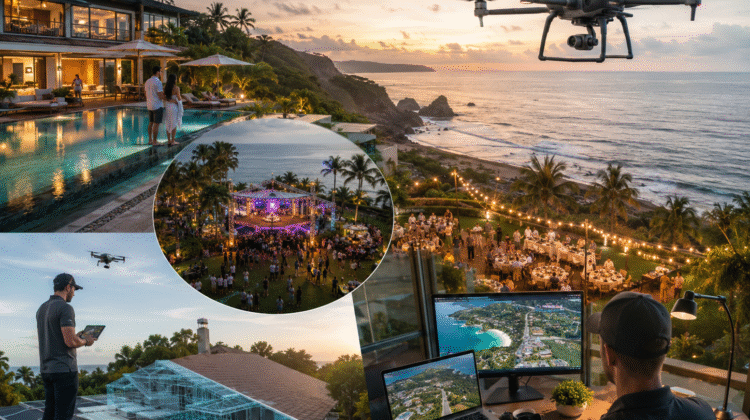
Drones are moving from novelty to necessity in travel, tourism, and hospitality. Resorts, tourism boards, and event planners now use them not just for dramatic aerial shots, but for immersive storytelling, guest engagement, site mapping, inspection work, and large-scale spectacle. In tourism marketing, a drone can reveal the scale of a coastline, the isolation of a luxury villa, or the atmosphere of a festival in a way that static photos cannot. That visual depth helps destinations compete in crowded markets and gives travelers a clearer sense of what they are buying.
The business value is not limited to marketing. Drones can support property monitoring, roof and facade inspections, crowd observation at events, and even mapping of resorts or adventure trails. For large properties, pre-programmed flights can create 2D or 3D visual models that help both operators and guests understand the layout of a site. In tourism-heavy regions, drone programs can also create local jobs for trained pilots, editors, and field crews, linking technology adoption with community employment.
The emotional power of drones is especially visible in destination events. Drone light shows are increasingly replacing or complementing fireworks because they are brandable, reusable, and often more environmentally flexible. At the same time, the stakes are high: incidents involving drone failure show that creative ambition must be matched by technical backup, weather checks, airspace coordination, and crowd-safety planning. In hospitality, where guest trust matters, even a small operational mistake can damage both safety and reputation.
Licenses and certification
Drone rules depend on the country, but commercial tourism and hospitality use usually requires more than just owning a drone. In many places, operators need aircraft registration, pilot competency training, airspace permission, and insurance, especially when flying near crowds, hotels, airports, heritage sites, or urban areas. For India specifically, commercial drone work generally requires compliance with the Digital Sky framework, an applicable pilot qualification, and operating permissions according to drone weight and flight category.
This report is part of TheTravigator’s continuing news coverage of the travel, tourism, aviation, and hospitality sectors. Our editorial team publishes industry news, market insights, partnerships, policy developments, and business updates relevant to the travel trade community. For press releases, partnership opportunities, advertising enquiries, or editorial collaborations, please contact our editorial desk at:
INFO@THETRAVIGATOR.COM