The 5 AM Boat That Saved Varanasi
The first time I watched the Ganga aarti at Dashashwamedh Ghat, I saw nothing but the backs of heads.
Hundreds of heads. Shoulder to shoulder. Phones raised like offerings. The priests — magnificent in silk and brass lamps — were barely visible between the selfie sticks. The chanting was there, somewhere, but so were ringtones, tour leaders shouting into walkie‑talkies, and the constant click‑hiss of instant cameras.
I left feeling cheated. Worse, I felt like a cheat — another tourist consuming sanctity like a snack.
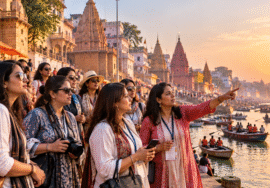
That was 2019, before the pandemic paused everything and forced the travel industry to ask ugly questions. Last month, I returned. And this time, I saw the aarti the way it was meant to be seen: from a small wooden boat, floating ten metres from the ghat, with no one between me and the fire except the river.
The only other people on that boat were a retired schoolteacher from Kolkata, a young photographer from Mumbai, and a boatman named Suresh who has rowed these waters for forty years.
Suresh was not my guide. He was, in the quiet arithmetic of the B2B travel trade, a pre‑dawn inventory holder — a job title that did not exist before 2023.
The Deal Before DawnHere is what the Indian travel industry doesn’t advertise: the Ganga at dawn is a different river entirely.
Between 4:30 AM and 6:00 AM, before the tour buses arrive from Sarnath, before the domestic flight crowds check out of their hotels, the ghats belong to bathers, priests, and a handful of travellers who know a secret. That secret is not a secret at all. It is a B2B contract.
In late 2022, a consortium of five Indian DMCs — based in Delhi, Lucknow, and Varanasi itself — approached the Ganga Seva Nidhi, the trust that manages ghat access. Their proposal was simple: guaranteed annual revenue in exchange for exclusive, pre‑bookable boat slots during the morning aarti (5:00 AM to 5:45 AM) and the evening aarti (6:30 PM to 7:15 PM). No hawkers on the boats. No photographers demanding “just one more pose.” No floating vendors bumping against the hull selling plastic trinkets.
The trust agreed. The price was significant. The DMCs split it. And a new product was born — invisible to Google, unlisted on MakeMyTrip, and available only through travel advisors who know which B2B operator holds which time slot.
You cannot book Suresh’s boat on an app. You cannot find it on Viator. That friction is deliberate. And it is exactly what makes the experience worth having.
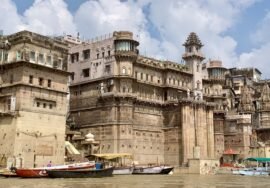
The Sound of Only WaterSuresh met me at 4:15 AM at Assi Ghat, the southern end of the riverfront, where the city is still asleep. His boat was small, wooden, painted blue and white, with two benches and a small brass lamp at the bow. No cushion. No cooler of soft drinks. No Bluetooth speaker.
“We go slow,” he said, pushing off with a bamboo pole. “Fast is for afternoon. Morning is for listening.”
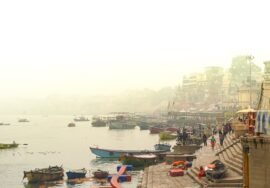
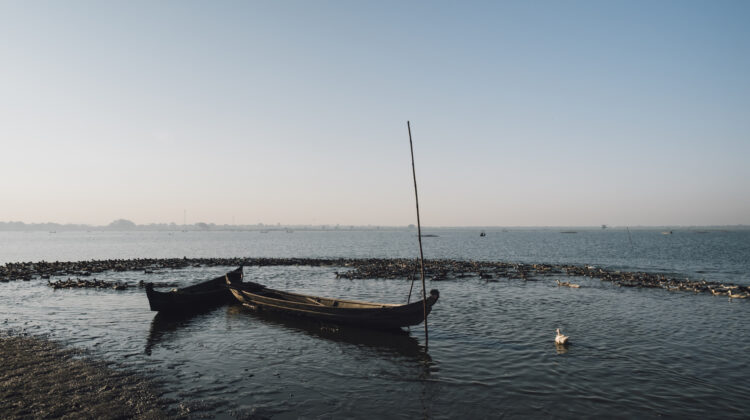
We drifted north. The river was the colour of old pewter. A few other boats moved silently — four, maybe five in total — each carrying a handful of people. No one shouted. No one played music. The only sound was the dip of oars and, from the shore, the distant ting‑ting of temple bells waking up.
At Dashashwamedh Ghat, Suresh stopped rowing. We floated ten metres out, perfectly aligned with the main platform. The priests were already there, arranging brass lamps, folding fresh marigolds into copper plates. No tourists yet. No chaos. Just ritual, unhurried.
“They start in fifteen minutes,” Suresh whispered. “You will see everything. No one’s head in the way.”
The Mathematics of IntimacyThe B2B numbers are dry, but they explain why this works. The Varanasi hidden‑hours consortium operates on what insiders call the 23 percent rule . Because the boat slots are scarce — only six boats per aarti, twelve seats per boat — DMCs can charge a premium. Margins run 23%, compared to 8‑10% for standard group boat tours. That extra revenue is split: the Ganga Seva Nidhi, the boatmen’s cooperative, and a small fund for ghat maintenance.
For me, that meant paying ₹2,500 (about $30) for a 90‑minute experience. A regular shared boat during daytime costs ₹300‑500. But here is the part that consumer travel writing rarely captures: I was not paying for the boat. I was paying for absence .
Absence of the man selling overpriced chai in a plastic cup. Absence of the teenager asking for a “selfie, sir, just one selfie.” Absence of the loudspeaker from the tour operator on the next boat playing Bollywood hits.
When the aarti began — the conch blown, the lamps lit, the smoke rising straight up in the still air — I heard every word of every mantra. The priest on the far left had a slight rasp. The one in the centre paused half a beat longer than the others. These are details you cannot notice from land, surrounded by a thousand people.
The photographer from Mumbai wept. Quietly, without wiping the tears. No one took a photo.
The Quiet Revolution, Indian StyleVaranasi is not alone in India. Hampi’s Virupaksha Temple now offers a 6:00 AM “pillar whisper” tour — before the monkeys wake up and the selfie sticks arrive — available only through Karnataka‑based DMCs. Jaipur’s Amer Fort has a 7:00 PM “torchlight walk” that closes the fort to day visitors. Kerala’s houseboat operators in Alleppey are piloting a “midnight backwaters” slot — no lights, no engines, just the sound of water against bamboo.
These are not marketing stunts. They are the early signs of a fundamental shift in how India’s B2B tour industry is beginning to think about access. Not more tourists. Better tourists. Not rock‑bottom pricing. Scarce, meaningful experiences.
The catch, for now, is that you cannot find them on your own. You need an intermediary. You need a travel advisor who is plugged into the DMC network, who knows which consortium holds which time slot, who can book a 5 AM Ganga boat the way they might book a private dinner at a palace hotel.
That friction frustrates some people. But the ones who accept it — the ones who ask their agent for “something different, something quiet” — are rewarded with something that no algorithm can surface.
As the aarti ended and the priests began extinguishing the lamps one by one, Suresh turned the boat around. The sun was still below the horizon, but the eastern sky had turned the colour of a ripe mango. A single egret flew low over the water, west to east, unhurried.
“Now the big boats come,” Suresh said quietly. And he was right. In the distance, I could hear the first outboard motor sputter to life.
We reached Assi Ghat at 6:15 AM. The chai wallahs were setting up their stalls. The first cycle rickshaw had arrived. The day was beginning — the loud, crowded, glorious day.
But I had already had my morning.
This report is part of TheTravigator’s continuing news coverage of the travel, tourism, aviation, and hospitality sectors. Our editorial team publishes industry news, market insights, partnerships, policy developments, and business updates relevant to the travel trade community. For press releases, partnership opportunities, advertising enquiries, or editorial collaborations, please contact our editorial desk at:
INFO@THETRAVIGATOR.COM