When AI Stops Planning Trips and Starts Understanding People
By Sudhir Tuli
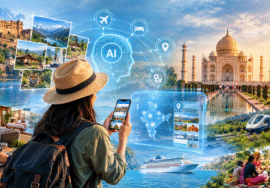
She didn’t search for a hotel. She whispered a wish.
“I want four days in Tokyo, food-first, family-friendly, near a park, with one sushi class and no chaos.”
The reply came in seconds—not as links, but as a living plan. Flights. A quiet hotel. A neighborhood where mornings begin with birdsong, not traffic. A sushi workshop. A train route. Even a warning: rain on day two, better move the outdoor market visit earlier.
That was the moment travel changed shape.
For years, travel asked people to think like accountants. Compare prices. Filter by stars. Sort by departure time. Pack hopes into spreadsheets. The machine waited for instructions, but never understood intent.
Now, AI listens differently.
It reads tone as much as text. It senses that a honeymoon should feel unhurried, that a family trip should leave room for meltdowns, that a business event for 500 people should not collapse because one flight did. Somewhere behind the scenes, it is rebooking, rerouting, adjusting meals, predicting crowd surges, and quietly making sure the chaos never reaches the traveler’s face.
At an airport, a face becomes a boarding pass. At a hotel, a phone becomes a key. At a conference, an attendee no longer gets a generic agenda; they get sessions shaped around who they are and what they care about. Even pricing is alive now—moving with weather, festivals, demand, and risk in real time.
But the most remarkable thing is not the automation.
It is the return of feeling.
AI clears the clutter, the waiting, the repetitive panic. And when all that noise disappears, what remains is the part travel was always meant to protect: the meal remembered, the conversation that lingers, the place that changes you.
The work is becoming invisible.
The experience is becoming human.
For the travel industry, this shift is part of a much broader transformation toward an AI-native travel ecosystem, where intelligent systems increasingly anticipate needs instead of simply responding to requests.
As AI becomes deeply integrated into tourism and hospitality, destinations, airlines, hotels, and event organisers are rethinking how personalised experiences are created.
Ultimately, the competitive advantage will belong to those who combine intelligent technology with authentic human experiences—because, as explored in The Commodity Trap: When “Trending” Becomes a Liability, differentiation comes not from offering more choices, but from delivering more meaningful ones.