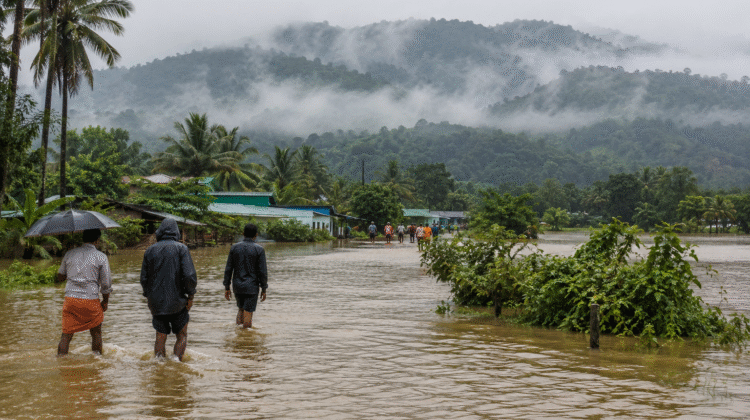
Flood-Ready Travel: What North East India and Kerala Mean for B2B Travel Partners This Monsoon
The monsoon is once again testing two of India’s most sensitive travel regions North East India and Kerala. Both are high-value tourism zones, but both also sit in weather systems where heavy rainfall can quickly affect roads, railways, airports, hill routes, river crossings, homestays, adventure itineraries and group movement. For B2B travel partners, this is no longer just a seasonal inconvenience. It is a product-risk issue.
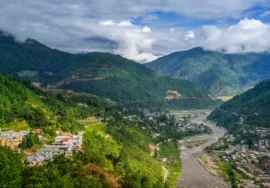
North East India is currently facing serious flood and landslide disruptions across parts of Assam, Arunachal Pradesh and nearby states. In Assam’s Dhemaji district, floods have affected villages and transport, with rail services disrupted after erosion damaged a railway bridge. In Arunachal Pradesh, flash floods and landslides have hit roads and settlements. Kerala, meanwhile, is under heavy rainfall alerts, with districts such as Kozhikode, Kannur and Kasaragod placed under orange alert for very heavy rainfall. The state disaster authority has also advised people to avoid unnecessary travel during intense rain, especially to waterfalls, water bodies and hill areas.
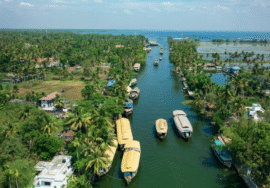
For tour operators, DMCs, hotels, MICE planners and group travel companies, the first step is to treat monsoon travel as a managed-risk product. Packages to hill stations, wildlife areas, river valleys, tea estates, plantation stays, backwater zones and coastal belts must include a weather protocol. B2B partners should not wait for cancellation panic. They should send pre-departure advisories at least 48 hours before travel, again on the day of departure, and daily during the trip when alerts are active.
Travellers should be told exactly what to carry. A flood-season kit should include waterproof document pouches, passport or Aadhaar copies, printed hotel and transport vouchers, essential medicines, prescriptions, a small first-aid kit, power bank, torch, whistle, dry snacks, water bottle, raincoat, quick-dry clothes, anti-slip footwear, spare socks, mosquito repellent, cash in small denominations and a list of emergency contacts. For families, senior citizens and student groups, the group leader should also collect medical notes and emergency numbers before departure.
Communication failure is one of the biggest risks during floods. Mobile networks may weaken, charging may become difficult and WhatsApp updates may stop when they are most needed. Every group leader should therefore carry a printed passenger list, hotel rooming list, vehicle details, driver numbers, insurance policy details, airline or rail PNRs and emergency contacts. A soft copy should be saved offline on at least two devices. Groups should also agree on a physical meeting point at every hotel or venue in case phones stop working.
This report is part of TheTravigator’s continuing news coverage of the travel, tourism, aviation, and hospitality sectors. Our editorial team publishes industry news, market insights, partnerships, policy developments, and business updates relevant to the travel trade community. For press releases, partnership opportunities, advertising enquiries, or editorial collaborations, please contact our editorial desk at:
INFO@THETRAVIGATOR.COM