Beyond the Tiger Trail: How Uttar Pradesh Is Turning Ecotourism into a New Travel Opportunity
From digital trip-planning tools and forest rail journeys to wetland birdwatching, Uttar Pradesh is building the foundations of a nature-led tourism offering. For the travel trade, the opportunity lies in turning these emerging experiences into bookable, responsible and commercially viable itineraries.
India’s wildlife tourism story has traditionally revolved around a familiar circuit of tiger reserves, safari vehicles and forest lodges. Uttar Pradesh is now offering travel businesses a broader proposition: nature-based experiences that combine wildlife, rail journeys, wetlands and improved destination access.
The state’s Terai landscape provides a compelling starting point. Dudhwa National Park, Pilibhit Tiger Reserve and Katarniaghat Wildlife Sanctuary offer identifiable destinations around which tour operators can develop wildlife holidays, birdwatching trips and experiential journeys. Yet the commercial potential extends beyond the attractions themselves. Connectivity, digital discovery and the organisation of visitor experiences will determine whether these destinations become accessible products for domestic and international travellers.
For the business-to-business travel sector, that is where Uttar Pradesh’s ecotourism initiative merits attention.
From Policy Ambition to Traveller Access
The state’s tourism investment framework envisages nature-based visitor experiences supported by appropriate accommodation, better access and more responsible tourism operations. The challenge is translating these policy ambitions into services that tour operators can package, distribute and deliver consistently.
The Uttar Pradesh Eco-Tourism Development Board (UPETDB) has reported several initiatives that illustrate this transition. Among them are the launch of the official UP Eco Tourism mobile application, an air-conditioned bus service connecting Lucknow with Dudhwa, and organised Vistadome excursions on the Bichia–Mailani rail corridor.
Each addresses a different barrier to nature travel. Digital tools can help travellers discover destinations and plan itineraries; transport links can reduce the complexity of reaching remote attractions; and experiential rail journeys can become standalone products or additions to longer wildlife circuits.
These initiatives provide tangible examples of destination development, although their existence should not be confused with proof of sustained operational performance. Current schedules, booking arrangements and service availability require confirmation before itineraries are sold.
Digital Discovery Becomes Part of the Product
For travel advisers and tour operators, the customer journey increasingly begins well before arrival at a national park. Reliable information, clear logistics and accessible planning tools can influence whether an unfamiliar destination makes it onto a traveller’s shortlist.
The UP Eco Tourism application represents an attempt to bring destination discovery into a digital format. Its significance lies in the potential to make lesser-known natural attractions easier to explore and incorporate into travel plans.
For the trade, however, an app’s launch is only the first step. Its long-term value will depend on the accuracy and regular updating of destination information, the availability of practical booking details, language accessibility and the ease with which local experiences can be integrated into packaged holidays.
A digital platform becomes commercially meaningful when inspiration converts into confirmed travel.
A Journey Through the Terai
The Bichia–Mailani Vistadome excursions offer another way to frame the region’s appeal. Rather than treating transport simply as a means of reaching a destination, a panoramic rail journey can become part of the holiday itself.
Large viewing windows and the opportunity to observe changing forest landscapes lend themselves to experiential itineraries, family travel and educational group programmes. For tour operators, the rail experience could complement stays around Dudhwa and nearby forest destinations, subject to confirmed services and suitable ground arrangements.
The Lucknow–Dudhwa AC bus initiative addresses a more practical concern: access from a major urban gateway to a wildlife destination. A direct road connection can simplify itinerary planning, particularly for travellers who do not wish to organise multiple transport changes.
Together, these transport initiatives point towards a more connected nature-tourism proposition. Their ultimate value will depend on dependable schedules, transparent fares, convenient onward transfers and coordination with safari timings and accommodation check-in arrangements.
Haiderpur: A Wetland with Wider Appeal
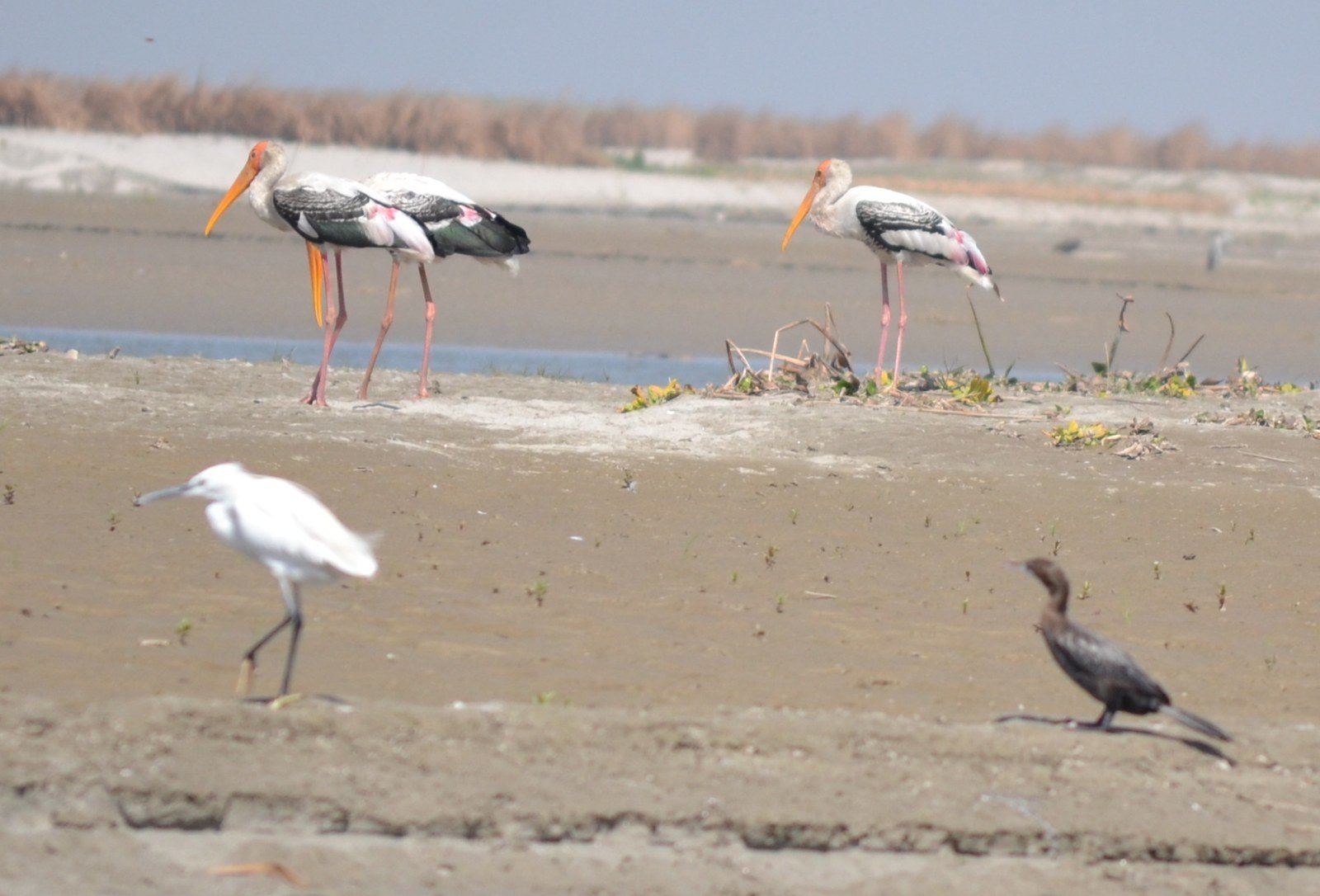
Uttar Pradesh’s ecotourism potential is not confined to big-cat encounters. Haiderpur Wetland, recognised as a Ramsar site, provides an important setting for birdwatching and wetland-focused travel.
The Eco-Tourism Development Board has reported visits by international birdwatchers, indicating an existing point of interest for specialist nature travellers. Wetland destinations can broaden a state’s appeal to birding groups, photographers, conservation-oriented visitors and travellers seeking quieter alternatives to conventional wildlife safaris.
For the trade, such experiences may support seasonal departures, specialist-led excursions and multi-interest itineraries. Birdwatching products, however, need more than attractive landscapes: responsible access, knowledgeable guides, accurate seasonal information and safeguards for sensitive habitats are essential.
The Business Opportunity—and the Evidence Gap
Uttar Pradesh has begun demonstrating how ecotourism can be developed through a combination of digital information, transport initiatives and destination promotion. The next test is whether these interventions translate into a reliable visitor economy.
Tour operators need clarity on accommodation standards, permits, local guiding capacity, transport schedules and the availability of bookable experiences. Destination managers need to balance visitor growth with habitat protection and community interests. For investors, the relevant questions concern demand, operating conditions and the viability of responsible tourism enterprises.
A further distinction matters: the initiatives documented by UPETDB do not, by themselves, establish how much new accommodation has been created, how many policy-linked subsidies have been disbursed, how many local jobs have resulted or what measurable conservation outcomes can be attributed to Tourism Policy 2022.
These are not minor details. They are the indicators that will help the industry assess the programme’s long-term impact.
Turning Natural Assets into Lasting Value
Uttar Pradesh’s ecotourism proposition is taking shape around recognisable wildlife destinations, emerging visitor experiences and efforts to improve access. For the travel trade, the opportunity is to develop carefully designed itineraries that connect these assets without compromising their ecological value.
The next phase will require consistent operational information, credible local partnerships, measurable community benefits and evidence of conservation performance. If those foundations develop alongside the visitor offer, Uttar Pradesh can build a more diverse nature-tourism portfolio—one in which the journey, the landscape and the quality of the experience matter as much as the wildlife encounter itself.
#UttarPradeshTourism #Ecotourism #Dudhwa #PilibhitTigerReserve #Birdwatching #SustainableTourism #TravelTrade
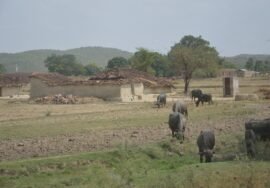
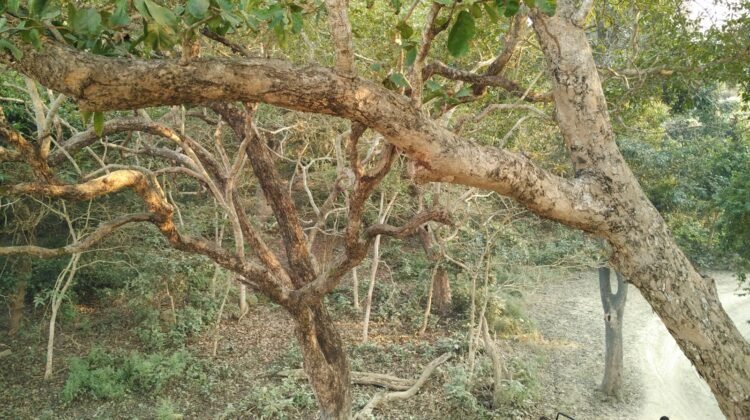
Featured photograph: Forest landscape in Dudhwa National Park, Uttar Pradesh. Vishwamitra Manav / Wikimedia Commons, Attribution-Share Alike 4.0 International. Resized for web.