Beyond Pilgrimage: Uttar Pradesh Positions Wellness Tourism for Growth
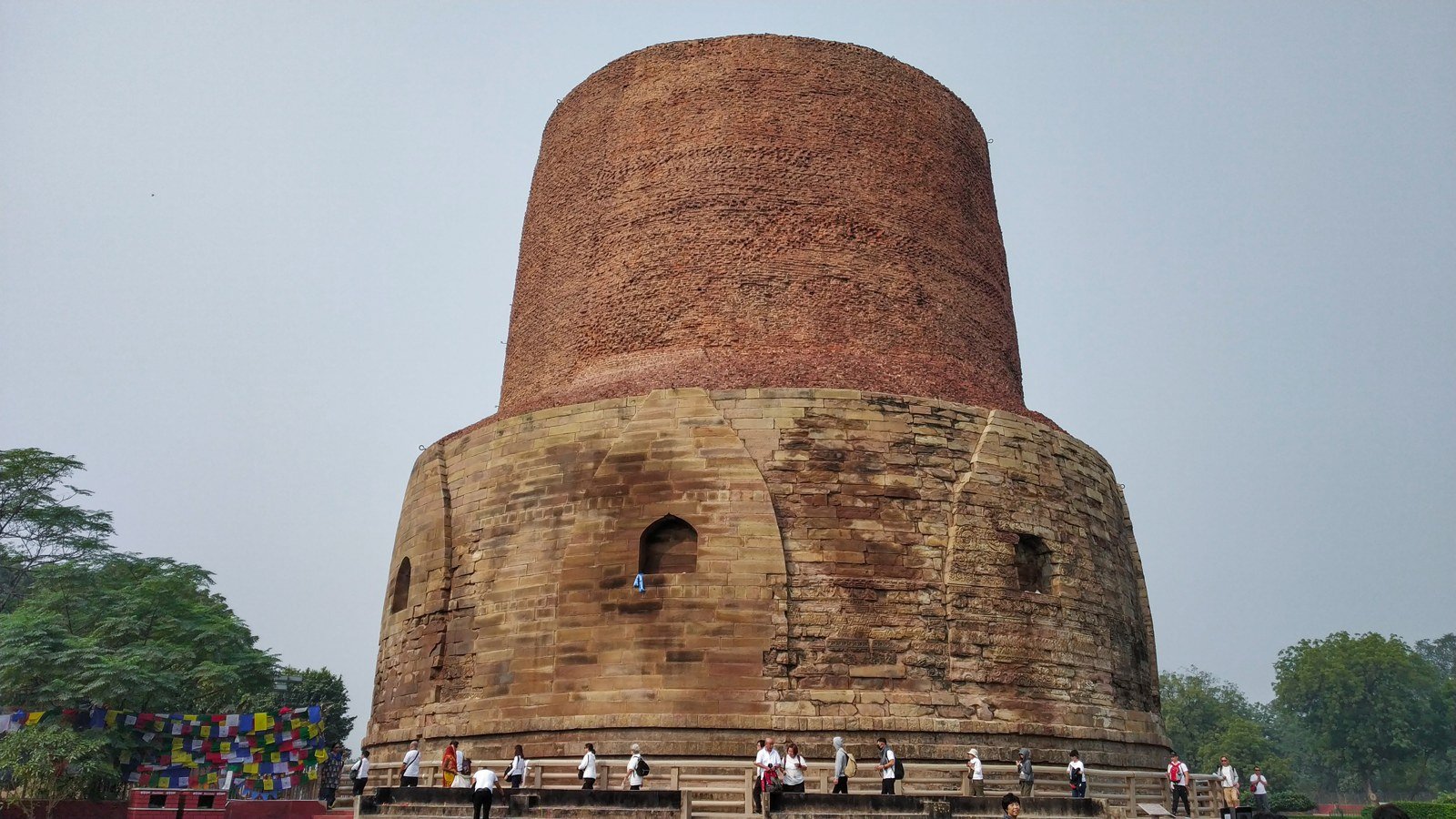
From the spiritual centres of Varanasi and Mathura–Vrindavan to the Buddhist destinations of Sarnath and Shravasti, Uttar Pradesh is exploring a broader wellness proposition. Policy commitments and investor outreach are creating opportunities for hospitality developers and travel businesses, although the next milestone is converting proposals into operational experiences.
Wellness travel is no longer defined solely by luxury spas and secluded retreats. Increasingly, travellers are looking for journeys that combine physical wellbeing, spiritual exploration, cultural immersion and time away from the demands of everyday life. For Uttar Pradesh, a state already associated with pilgrimage and spiritual heritage, this evolving demand presents an opportunity to expand its tourism offering.
The proposition is compelling: imagine a Varanasi itinerary that extends beyond temple visits and riverfront experiences to include yoga and meditation, or a Buddhist circuit journey that incorporates structured wellness programmes alongside cultural discovery. These combinations could encourage longer stays, diversify visitor spending and open new opportunities for hotels, wellness operators and destination management companies.
The state’s Tourism Policy 2022 provides a framework for developing this market, identifying destinations including Varanasi, Sarnath, Shravasti and Mathura–Vrindavan for integrating wellness into existing visitor journeys.
However, these locations should be understood as part of a policy-led development vision, not as a verified inventory of operational wellness resorts.
From Spiritual Assets to Wellness Experiences
Uttar Pradesh has a distinctive foundation for wellness tourism: established pilgrimage circuits, Buddhist heritage, cultural traditions and destinations with strong recognition among domestic and international travellers.
For the travel trade, the opportunity lies in connecting these existing strengths with thoughtfully designed wellness experiences. Yoga sessions, meditation programmes and professionally managed retreats could complement conventional sightseeing, provided they are supported by appropriate facilities, qualified practitioners and clear service standards.
Such integration could also help destinations diversify their visitor profiles. While pilgrimage remains central to many journeys, wellness-oriented products may appeal to leisure travellers, specialist groups and visitors interested in longer, experience-led stays.
The challenge is to create credible programmes rather than simply attach a wellness label to an existing tourism product.
Policy Commitments Meet Investor Outreach
Tourism Policy 2022 envisages upgraded wellness centres, trained instructors, service-quality monitoring and facilities in nature-rich locations. These commitments recognise that successful wellness tourism depends on more than physical infrastructure: the quality, consistency and credibility of the experience matter equally.
Two reported developments indicate movement towards implementation.
A November 2025 report available through Invest UP recorded invitations for proposals to establish wellness centres and resorts. Subsequently, Invest UP’s January 2026 newsletter reported the presentation of investment-ready land parcels for hospitality and wellness development.
For prospective investors, these steps are relevant because they indicate efforts to encourage private-sector participation and identify potential sites for projects. For hotel groups, wellness operators and travel companies, they provide an early signal of the state’s intended direction.
Yet investor outreach and land identification are not equivalent to financial closure, construction or commercial opening. Project approvals, investment commitments, development timelines and eventual operations must be assessed separately.
What the Travel Trade Should Watch
The next phase will depend on whether proposed developments deliver bookable, professionally managed experiences. Developers will need to assess location suitability, access, accommodation standards, trained personnel and the practical requirements of operating wellness programmes.
Tour operators, meanwhile, will need reliable information on opening dates, treatment and activity offerings, booking arrangements and service quality before incorporating new properties into itineraries.
An important distinction also applies to market assessment: public AYUSH healthcare centres serve a different purpose from commercial wellness-tourism accommodation. Their presence should not be treated as evidence that a destination has developed a resort or a visitor-ready wellness product.
From Investment Pipeline to Guest Experience
Uttar Pradesh has established a policy direction and documented steps to attract investment into wellness facilities. What remains unverified in the evidence reviewed is how many tourism-focused wellness properties have subsequently opened, how many guests they have welcomed and how much policy-linked subsidy has actually been disbursed.
These measures will be essential in assessing the programme’s commercial impact.
For the travel industry, the opportunity is to prepare for a more diversified destination portfolio without mistaking potential for delivery. If investment outreach translates into quality facilities, trained practitioners and experiences that respect local traditions, wellness could become a meaningful addition to Uttar Pradesh’s established spiritual tourism offering.
The ultimate measure of success will not be the number of proposals announced, but whether travellers can book a credible experience, extend their stay and leave with a compelling reason to return.
#WellnessTourism #UttarPradeshTourism #SpiritualTourism #YogaTourism #BuddhistCircuit #TourismInvestment #TravelTrade
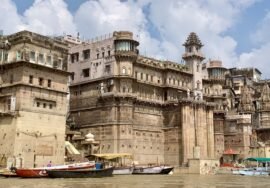
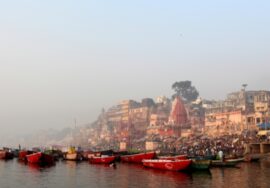
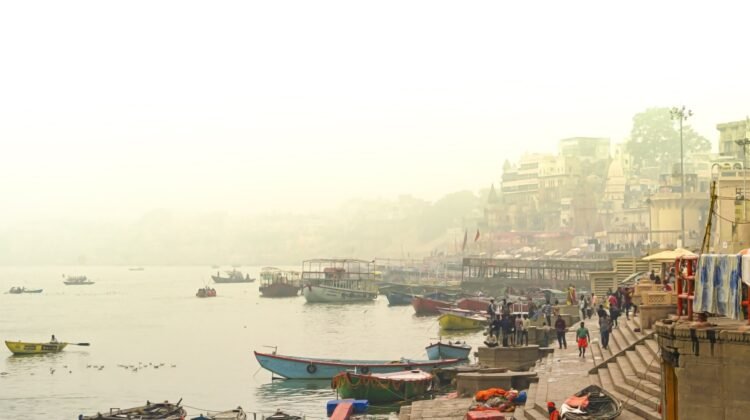
Featured photograph: Ghats on the River Ganga, Varanasi. Vimalinarc / Wikimedia Commons, Attribution 4.0 International. Resized for web.