
Tamil Nadu: Where Heritage Lives in Stone and Pilgrimage
In Tamil Nadu, heritage is not confined to museums or monuments. It lives in temple streets, hilltop shrines, coastal towns, ancient crafts and the daily rhythm of communities shaped by faith and tradition.
The story begins at Mamallapuram, a UNESCO World Heritage Site known for monolithic rock-cut temples and detailed stone reliefs such as Arjuna’s Penance. Set beside the coast, the town brings together archaeology, architecture and the atmosphere of a historic seaside settlement.
Inland, Chidambaram reflects Tamil Nadu’s classical Shaivite traditions through the Nataraja Temple and its Chola-era architectural character. Gangaikonda Cholapuram, once the capital of the Chola empire, adds another powerful chapter with its majestic Brihadeeswara Temple.
The heritage trail continues through Thanjavur, the cultural heartland of the state. Its temples, royal palaces, classical music and South Indian culture traditions make it an important destination for travellers interested in South Indian culture. Nearby Darasuram is known for the Airavatesvara Temple and its detailed stone carvings, while Kumbakonam draws visitors through its heritage streets, sculpted gopurams and spiritual atmosphere.
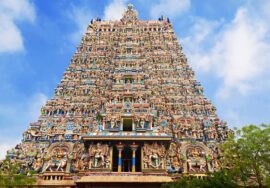
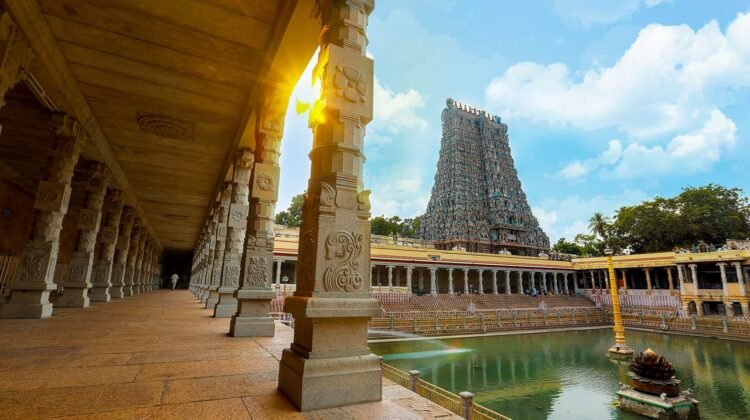
Madurai offers a different experience. One of India’s oldest living cities, it is closely associated with the Meenakshi Amman Temple and a vibrant urban culture. In Chettinad, grand mansions, antique interiors, tile-making units and culinary traditions reveal the legacy of the region’s merchant communities. Trichy combines ancient temple traditions with colonial-era churches, while Gingee Fort rises through its three-tiered hilltop citadels.
Tamil Nadu’s heritage is inseparable from pilgrimage. Rameswaram, one of the prominent Char Dham sites, is home to the Ramanathaswamy Temple and its colossal corridors. Palani, one of the six abodes of Lord Murugan, is reached by a scenic trek or ropeway. Srirangam attracts Vaishnavite devotees to the Ranganathaswamy Temple, while Kanchipuram remains revered as the “City of Thousand Temples”.
The spiritual journey continues to Thiruvannamalai, where the Arunachaleswarar Temple and the practice of Girivalam draw spiritual seekers. Nagore Dargah reflects the state’s religious diversity, Velankanni’s Basilica of Our Lady of Good Health welcomes Christian pilgrims, and Kanyakumari combines the Kumari Amman Temple with the meeting point of three seas.
This cultural landscape also comes alive during Pongal, celebrated in mid-January through traditional rituals, kolam designs and rural festivities, including Jallikattu in several districts.
Tamil Nadu’s strength lies in the way its past remains active in the present. Its temples, festivals, villages and pilgrimage routes do not simply preserve history—they continue to give it meaning.
This report is part of TheTravigator’s continuing news coverage of the travel, tourism, aviation, and hospitality sectors. Our editorial team publishes industry news, market insights, partnerships, policy developments, and business updates relevant to the travel trade community. For press releases, partnership opportunities, advertising enquiries, or editorial collaborations, please contact our editorial desk at:
INFO@THETRAVIGATOR.COM