WTM Africa 2026: A Defining Moment for African Tourism’s Next Chapter
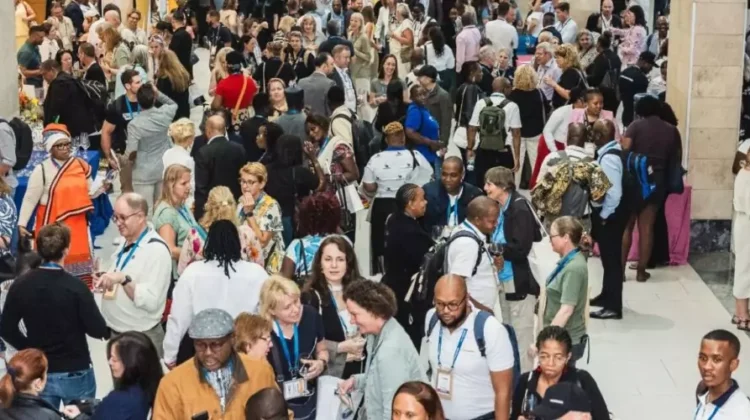
The 2026 edition of WTM Africa 2026 marked more than another successful travel trade exhibition. Held from 13–15 April 2026 at the Cape Town International Convention Centre, the event emerged as a pivotal moment for the African tourism industry one that signalled a transition from post-pandemic recovery to a far more demanding era defined by accountability, sustainability, technology, and measurable impact.
As the largest and most internationally diverse edition in the event’s history, WTM Africa 2026 showcased both the opportunities and the challenges facing the continent’s tourism sector. Beneath the strong attendance figures and packed exhibition halls, a deeper industry conversation unfolded: Africa’s tourism future will belong to businesses that can prove value, verify sustainability, and adapt to rapidly changing traveler behaviour.
Record-Breaking Growth and International Participation
WTM Africa 2026 delivered impressive participation numbers that reflected renewed global confidence in African tourism markets.
| Category | 2026 Figures |
|---|---|
| Trade Professionals | 8,000 attendees |
| Participating Countries | 63 countries |
| Exhibitors | 786 exhibitors |
| Exhibitor Countries | 40 countries |
| Pre-Scheduled Meetings | 13,500 appointments |
| Growth in Meetings vs 2025 | +35% |
| Content Sessions | 82 sessions |
| Speakers | 101 industry experts |
The exhibition floor also highlighted growing international interest in African tourism opportunities. First-time exhibiting countries included Angola, Djibouti, Jordan, Norway, Switzerland, Germany, and the United Arab Emirates, while hosted buyers arrived from emerging source markets such as Jamaica, Kazakhstan, South Korea, Pakistan, Denmark, and Portugal.
A particularly notable trend was the strong influx of new buyers. Organizers reported that 81% of hosted buyers attended WTM Africa for the first time, signaling expanding international engagement with African tourism products and experiences.
Cape Town’s Expanding Tourism Economy
As host city, Cape Town used the platform to reinforce its growing position as one of Africa’s leading tourism and aviation hubs.
The city currently supports more than 230 international flights per week, reflecting increased global connectivity and airline confidence in the destination. Tourism also remains a critical economic driver for Cape Town, sustaining more than 106,000 jobs across hospitality, attractions, transport, events, and related services.
WTM Africa once again demonstrated the economic importance of business events for urban tourism economies, particularly as international conferences and exhibitions continue to recover strongly.
Beyond the Numbers: The Industry’s Real Take-Home Message
While attendance and business volumes dominated headlines, the event’s most important outcome emerged from the official 2026 State of the Industry Report.
The report delivered a direct and uncompromising message to tourism stakeholders: the “post-pandemic grace period” is over.
After years of recovery-focused flexibility, tourism markets are now demanding verification, compliance, transparency, and operational readiness. According to the report, Africa welcomed approximately 81 million international visitors in 2025, representing 8% growth year-on-year. However, the industry is becoming increasingly fragmented, competitive, and performance-driven.
The central theme shaping discussions throughout WTM Africa 2026 was clear: aspiration alone is no longer enough. Tourism businesses must now demonstrate measurable credibility.
Sustainability Moves from Marketing to Market Access
One of the strongest warnings issued during the event concerned sustainability compliance.
According to the report, fewer than 5% of African hospitality properties currently hold third-party sustainability certification. This statistic gained urgency because the European Union’s anti-greenwashing regulations are scheduled to take effect in September 2026.
For African tourism operators targeting European travelers and trade partners, sustainability verification is rapidly becoming a commercial requirement rather than a branding exercise.
The industry message was blunt: operators unable to prove sustainability claims risk losing market access.
As a result, conversations around responsible tourism shifted significantly at WTM Africa 2026. Rather than focusing on broad environmental messaging, industry leaders emphasized measurable community impact, transparent reporting, and independently verified standards.
Several Responsible Tourism Award winners showcased projects that moved beyond symbolic sustainability initiatives toward genuine local economic inclusion and long-term community partnerships.
AI and the Rise of Machine-Readable Tourism
Another major theme dominating the event was artificial intelligence and its growing influence on travel discovery and booking behavior.
According to industry data presented at WTM Africa, 72% of Gen Z travelers now use AI tools during travel planning. This shift is fundamentally changing how tourism businesses market products and engage consumers.
The implication for tourism operators is significant: if tourism inventory is not structured in ways AI systems can easily interpret and recommend, businesses risk becoming invisible to future travelers.
Industry experts stressed that technology is no longer simply a booking platform. AI is rapidly becoming the primary discovery engine for younger travelers.
Hotels, tour operators, destinations, and experience providers were encouraged to improve digital infrastructure, optimize content for AI-driven search, and ensure product information is accessible, searchable, and machine-readable.
Africa’s Uneven Tourism Recovery
Despite strong continental growth headlines, WTM Africa 2026 also highlighted significant regional disparities in tourism recovery.
Eastern Africa recorded aviation capacity growth of 24.3%, driven by expanding airline networks and increased tourism demand. In contrast, Central and Western Africa showed virtually no aviation growth during the same period.
This uneven performance challenged the often-simplified “Africa Rising” narrative frequently associated with continental tourism discussions.
Industry analysts emphasized that tourism investment opportunities must increasingly be evaluated on a sub-regional basis rather than treating Africa as a single uniform market.
Connectivity, infrastructure, policy stability, aviation access, and investment readiness continue to vary widely across regions.
Human Connection Remains Tourism’s Greatest Strength
Despite the heavy focus on technology and data, one consistent message emerged throughout the event: tourism remains fundamentally people-driven.
WTM Africa organizers and industry leaders repeatedly emphasized that technology should enhance — not replace human relationships within the travel ecosystem.
Carol Weaving, Managing Director of RX Africa, noted that the industry is evolving toward a model where “technology handles the heavy lifting, and humans focus on relationship building.”
Workforce development, leadership diversity, youth inclusion, and women’s participation were recurring themes across many conference sessions.
The event reinforced the idea that Africa’s long-term tourism competitiveness will depend not only on digital transformation and infrastructure investment, but also on talent development and inclusive growth.
Strategic Implications for the Industry
WTM Africa 2026 ultimately served as both a celebration of recovery and a warning about the demands of the next tourism cycle.
The exhibition confirmed that African tourism continues to attract strong global interest, rising connectivity, and expanding investment opportunities. However, it also revealed a more demanding marketplace shaped by compliance, digital discoverability, sustainability verification, and operational resilience.
For tourism stakeholders, the post-show priorities are increasingly clear:
Secure independently verified sustainability certification.
Improve AI visibility and digital discoverability.
Focus on regional market dynamics rather than broad continental assumptions.
Invest in workforce development and leadership diversity.
Strengthen destination safety, trust, and operational credibility.
The 13,500 business meetings conducted during the exhibition are expected to generate substantial follow-up activity throughout the remainder of 2026, particularly across leisure tourism, aviation partnerships, hospitality investment, and destination marketing initiatives.
Conclusion
WTM Africa 2026 demonstrated that African tourism has entered a new phase of maturity.
The industry is no longer operating in recovery mode. It is now competing in a global marketplace where proof matters more than promises, technology shapes visibility, and sustainability increasingly determines market access.
For Africa’s tourism sector, the future opportunity remains enormous but success will belong to destinations and businesses capable of adapting quickly, building trust, and delivering measurable value in an increasingly competitive global environment.
This report is part of TheTravigator’s continuing news coverage of the travel, tourism, aviation, and hospitality sectors. Our editorial team publishes industry news, market insights, partnerships, policy developments, and business updates relevant to the travel trade community. For press releases, partnership opportunities, advertising enquiries, or editorial collaborations, please contact our editorial desk at:
INFO@THETRAVIGATOR.COM