
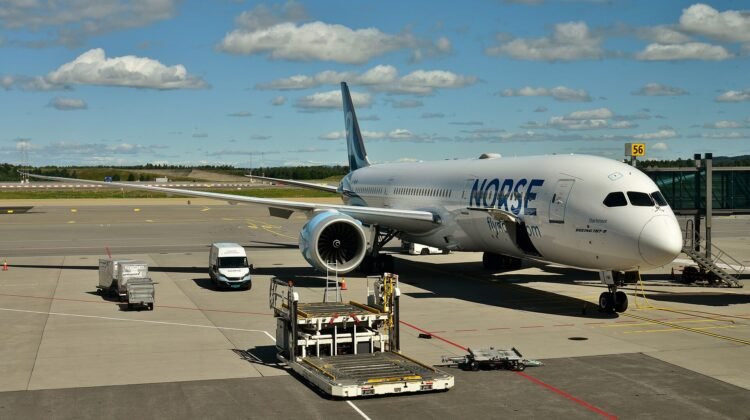
Norse Atlantic Airways collapses, raising fresh concerns over long-haul airline sustainability
The failure of Norwegian low-cost long-haul carrier Norse Atlantic Airways is a major warning for the international aviation market and travel intermediaries.
What happened
27 November 2026 | Norway, United Kingdom and affected international routes | The airline’s Norwegian operating subsidiary filed for bankruptcy and cancelled future flights after severe financial pressures. The Guardian reported that jet-fuel costs had doubled amid the Iran war, while aircraft lessors issued termination notices covering its 12-aircraft Boeing 787 fleet. The airline had also previously pursued a $50 million cost-reduction programme.
The collapse highlights the vulnerability of long-haul low-cost business models to fuel volatility, aircraft leasing expenses and weakening consumer demand.
TheTravigator’s analysis
How Indian Carriers Are “Correlated”: Shared External Shocks Indian carriers are also suffering from the same external pressures, with Air India being the most representative:
Massive losses: Air India’s FY26 net loss exceeded ₹26,800 crore (approximately $3.2 billion), primarily due to rising fuel costs, airspace closures forcing detours, and rupee depreciation.
IndiGo also hit: Even India’s most profitable low-cost carrier, IndiGo, posted a full-year net loss of ₹23.9 billion in FY26 due to rupee depreciation and rising fuel costs (though it remained profitable on an adjusted basis).
Capacity cuts: Air India was forced to cut approximately 27% of its international capacity, affecting routes to North America, Europe, and Australia.
What it means for the travel trade
Indian agents handling international bookings must urgently review affected passenger itineraries, ticket status and alternative flight options. The development also underlines the importance of monitoring carrier financial stability before committing to low-fare long-haul inventory.
Source Norse Atlantic Airways
Related posts:
 Air India wins three honours at the 2027 APEX Awards
 India–Tanzania connectivity gets a boost as IndiGo launches daily Mumbai–Dar es Salaam flights
 SpiceJet cancellations put travel trade on alert as board clears ₹5,500-crore fundraising plan
 Vietnam Airlines to Increase Delhi and Bengaluru Frequencies from December